

This could be a relatively quiet end of the week for the dollar as uncertainty over US-Iran tensions may prevent major directional shifts. In the UK, a by-election win by the Green Party spells more trouble for PM Keir Starmer, and is opening more downside risks for the pound against the euro.
USD: Caution prevails
This could be a quiet end of the week for FX markets. The lack of major data releases is keeping Fed pricing stable and the two major risks of the past couple of weeks – Iran and AI jitters – have started to abate.
We still see any escalation in US-Iran tensions as having the most potential for a US dollar impact at this stage. News from Geneva’s nuclear talks generated some big swings in oil yesterday, but markets seem tempted to trade tentatively on the optimistic side as progress has been made before further negotiations next week. Polymarket probability of a US strike on Iran by end-March remains somewhat elevated at 55% though, and we think this is preventing markets from chasing dollar depreciation much further for the time being.
The highlight in the US calendar is January’s PPI report today. We expect 0.3% month-on-month for both headline and core, in line with consensus, and there’s a good chance this will be a non-event release. On the Fed side, we’ll hear from John Williams and Neel Kashkari, after some dovish-leaning comments by Austan Goolsbee yesterday. Still, markets are paying very little attention to Fedspeak at this stage, given data has simply failed to support any pricing for a rate cut in the next two meetings.
Short-term drivers still point firmly to the upside for USD, but fresh tariff uncertainty has added a reason to keep the USD risk premium intact. We expect stabilisation in the dollar today, barring major geopolitical news.
EUR: Some CPI data out this morning
We sense that 1.180 can keep acting as an anchor for EUR/USD in an environment where great uncertainty on Iran seems to be discouraging strong directional views.
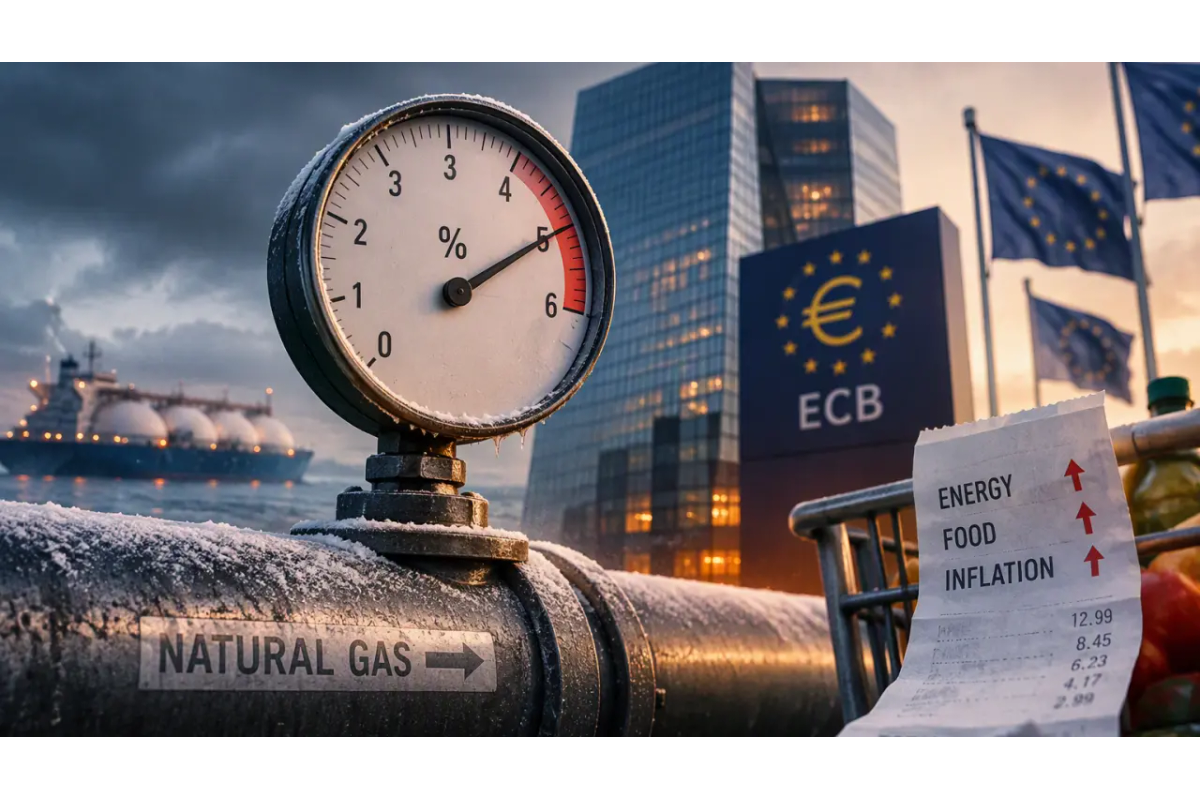
In the eurozone, we’ll start seeing February’s regional CPI reports this morning, starting with France (expected at 0.8%) and Spain (2.2%) before the more impactful German numbers. Here, consensus is looking at a deceleration from 2.1% to 2.0%, but our economists see upside risks. Anyway, hardly enough to trigger meaningful and lasting deviations in ECB pricing and, by extension, on the euro.
GBP: Downside risks persist
The pound is facing intensified pressure this morning after the Green Party won a by-election in Gorton and Denton, a Manchester seat previously deemed a Labour stronghold. Anything that is seen weakening the position of Prime Minister Keir Starmer has hit the pound as of late, and the success of a more left-wing party (Greens) in this special election might increase the perceived possibility of a more leftish successor to Starmer should he leave office early.
We have been bullish on EUR/GBP on the back of concentration risks on GBP: from political noise, to some fiscal risks (albeit small) ahead of next week’s budget announcement, and dovish risks for Bank of England pricing.
We think the conditions for a move past 0.880 (which is where EUR/GBP short-term sits, in our estimates) remain in place.
HUF: Taking a break for now
The forint saw some minor correction from Wednesday's gains yesterday, where, understandably, some market participants could see the 375 EUR/HUF level as a good opportunity to take profit or just reduce exposure after such a rally before the April elections. At the same time, rates saw a decent rally as well, where the 2y rate differential vs EUR pulled back to the narrowest levels since early September 2024.
This would normally indicate pressure on the forint. However, in the current market conditions, we do not expect this to significantly change the trajectory of EUR/HUF. Still, we believe that the National Bank of Hungary cutting rates will now somehow slow down further forint gains. Therefore, we could see a pause before another EUR/HUF leg down, especially since February inflation (published the week after next) could provide a stop for the currency pair; we're expecting a 1.5% year-on-year reading.

Comments
Log in or sign up to join the conversation.