

David Woo, CEO of David Woo Unbound and former head of Macro Strategy at Bank of America, argues the world is in the midst of a generational shift. The post-World War II, American-devised rules-based international order—upheld through multilateral organizations, open trading rules, and US enforcement—is rapidly unraveling. “The rule-based international order was conceived by the Americans…about promoting democracy,” Woo explains. The US benefitted as both architect and guarantor: “As a reward for being the guarantor of the system…the dollar became the reserve currency of choice in the world.”
But with rising competitors like China, Woo posits, the logic that held this order together has eroded. “The system benefited the US as long as the US military, political, and economic domination was total. That’s very clearly no longer the case,” he argues. America, he says, has shifted from upholding global principles of democracy and free markets to more transactional power politics. Now the US has decided it’s going to do everything it takes to better position itself in this rivalry against China, Woo said. “That changes everything.”
Venezuela: A Case Study in the Shifting Rules of Engagement
One of the clearest illustrations Woo offers is what recently took place in Venezuela on January 3, 2026.
“When the US went into Venezuela, it was not to promote democracy… Trump doesn’t even pretend that he’s interested in promoting democracy. He went to Venezuela to take the oil… because the US now needs to take control of Venezuela since China, not the US, is the largest trading partner for Latin America.”
As Woo sees it, the U.S is no longer even concerned about justifying its actions as attempts to advance democracy or free markets. It’s simply about doing whatever it takes to maintain hemispheric dominance within US’s backyard, whether Venezuela, Cuba, Greenland, or elsewhere.
Middle Powers Adapt: Pragmatism and a Multipolar World
As the US and China battle for dominance, Woo says a pivotal role is emerging for “middle powers”—countries like Canada, the UK, and the EU—who are “taking a much more transactional and pragmatic approach.” These states, he says, are forging new alliances and pursuing independent trade deals, sometimes tilting toward China to gain leverage with both superpowers.
Video Length: 00:05:43
Woo observes this “pragmatic revival of balance-of-power politics” already in motion. “I strongly suspect that [middle powers] have decided the best way to regain their leverage…is by essentially getting closer to China now,” Woo says. Recent moves, such as Canada, the UK, and Europe negotiating directly with Beijing, underscore this pivot. “They feel, and rightly so, that they’ve been taken advantage of by the Americans because they’re American allies. So it makes more sense for them to act collectively, to be seen as being more neutral.” The outcome could be less a new bipolar Cold War than a highly fluid multipolar world where middle powers try to act as stabilizers.
The Market Consequences: Risk, Instability, and Hard Assets
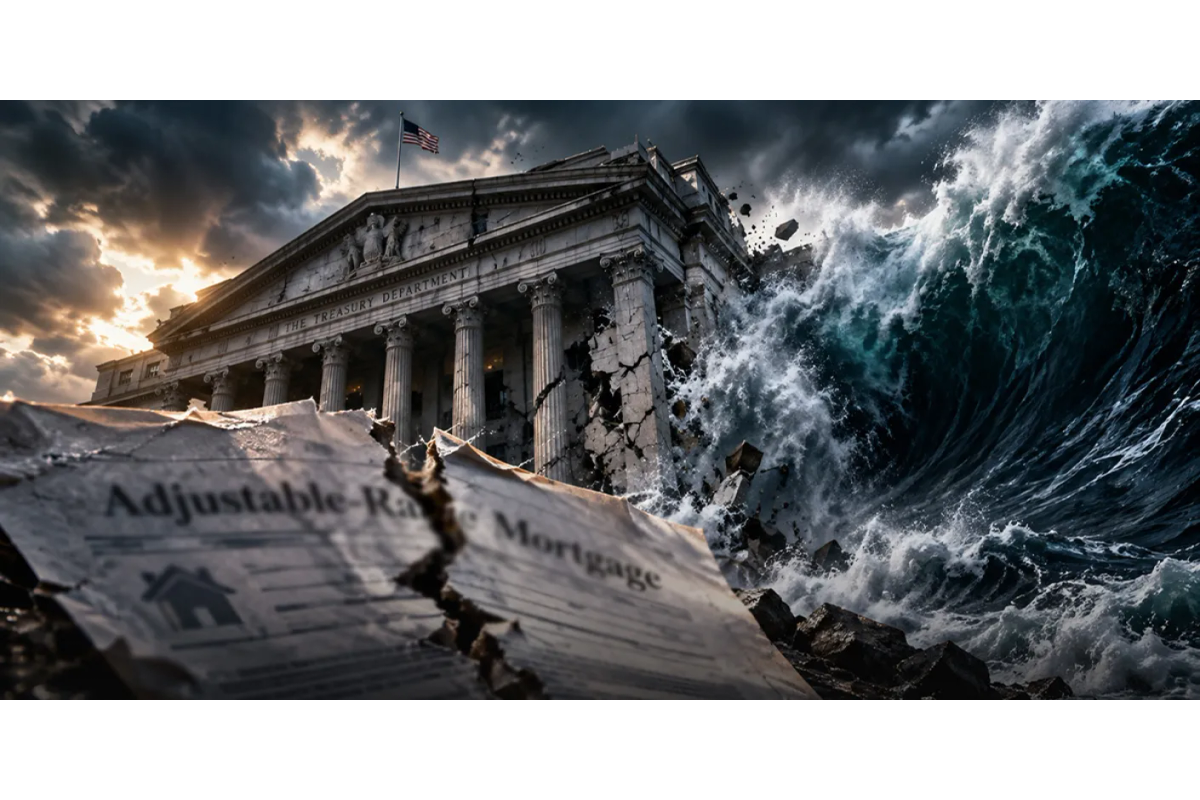
The shifts in the global order are being felt throughout financial markets. According to Woo, this is a key reason behind gold’s strong performance, as major international investors seek to diversify and adapt to a rapidly evolving landscape. The unraveling of the rules-based system has heightened concerns about the security of dollar-denominated assets—particularly US Treasuries—for foreign holders. As Woo puts it, “If the US can take your oil today, tomorrow they can say…whatever US Treasuries you’re holding are now worthless.” Regardless of whether these fears ultimately manifest, the perceived risk of such events has increased.
Constraints and the Path Forward
While the transition to a power-based system brings volatility, Woo notes that all major powers face severe constraints. The US faces political constraints, including checks and balances, political polarization, and frequent leadership changes; China is saddled with high levels of public and private debt; and Russia is constrained by years of war: “The economic constraints all the major powers face are very, very serious,” Woo says.
It’s these checks—domestic and international—that may prevent any one nation from unilaterally reshaping the global order, and could foster a fragile but lasting new equilibrium: “You’re not going to see anybody upsetting the apple cart…I think there is going to be a new equilibrium that will be established.”
Conclusion: Navigating a New Geopolitical Cycle
David Woo’s analysis paints a picture of a world in transition: the American-led era of global rules is ending, but the vacuum is being filled not by a simple US-China rivalry, but by agile coalitions of middle powers. For markets and investors, this means preparing for heightened volatility, shifting correlations, and the rising importance of hard assets. Already, the early contours of this new era are taking shape across global markets.
More By This Author:
This Week's Market Wrap: AI Moving Fast And Breaking Things
End Of An Era: What A Reversal In US Dollar Strength Means For Investors
Tech Rotation, Defensive Shift: Changing Market Outlook

Comments
Log in or sign up to join the conversation.