

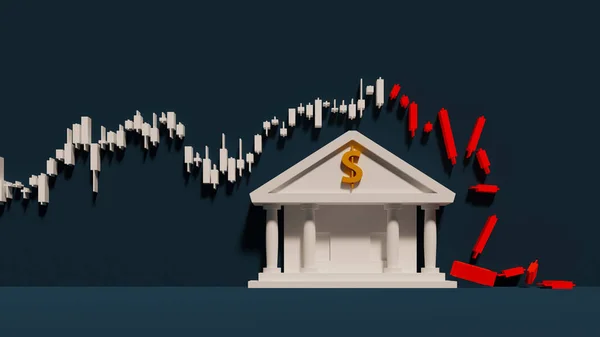
I’ll give this to new Federal Reserve Chairman Kevin Warsh. He talks tough. The question is will he be willing and able to back it up.
During the ECB Forum on Central Banking on Wednesday, Warsh emphatically insisted he was committed to getting inflation back to the 2 percent target.
Period.
End of story.
“If there were people in household or the business sector, in the financial markets, who thought that this central bank was going to be comfortable with an inflation objective above 2 percent, well, I guess they’d be disappointed,” he said. “We’re going to deliver price stability in the U.S.”
Warsh refused to hint at what the FOMC will do at the July meeting, but he kept hammering on his central message – price inflation is too high.
The hawkish talk has put a significant drag on the gold and silver markets. Just a few months ago, virtually everybody expected another rate cut this year. Sentiment has now flipped, with most people expecting a rate hike before the end of the year.
Since gold is a non-yielding asset, a higher interest rate environment is considered a bearish setup.
Warsh's Will vs. Economic Reality
Warsh seems to have the will to tackle price inflation, but what happens when his will clashes with reality?
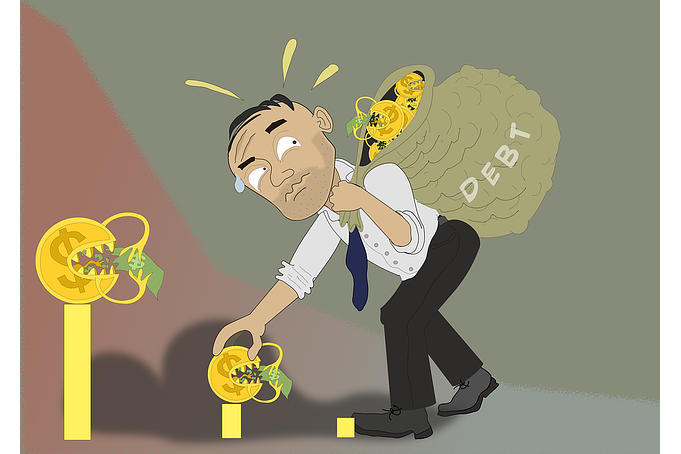
You see, no matter how much Warsh wants to tackle inflation, the path isn’t as easy as he makes it seem. A central bank doesn’t raise interest rates in a vacuum. Warsh & Company must contend with a Debt Black Hole and an economy dominated by bubbles and malinvestments incentivized by decades of easy money.
Simply put, the economy is addicted to artificially low interest rates and money creation. Sure, Warsh can take the drug away, but that would send the addict into withdrawals, a painful prospect.
This is the Catch-22 facing the Fed that I’ve been talking about for well over a year. It must choose. It can tackle inflation and risk popping the debt bubble and toppling the economy, or it can try to keep the economy limping along by looser monetary policy.
It can’t do both.
Economic Pain Is a Political No-Go
One could argue Warsh is right to draw a line in the sand when it comes to price inflation, and that the pain is necessary to unwind the last 20 years of monetary malfeasance. But would the pain be acceptable?
Probably not.
Voters get unhappy with economic pain very quickly. Politicians don't like unhappy voters. You can see the problem here.
So yes. Kudos to Warsh for his apparent commitment to “price stability,” but he seems to be ignoring the political realities.
Waratah Capital Advisors cofounder and CIO Brad Dunkley gets it. In an interview with Kitco News, he said the long-term gold bull market remains firmly intact because policymakers have “abandoned the idea” of allowing recessions or prolonged economic downturns.
Recessions are painful but necessary. They clean out malinvestments and resource misallocations resulting from monetary miscalculations. But recessions upset people, and politicians don’t like upset people. So instead of letting recessions play out, they turn to stimulus in an effort to reinflate the bubbles and ease the economic pain. This effectively kicks the can down the road and sets the stage for a bigger bust in the future.
This creates a vicious cycle. Each monetary intervention increases the size of the bubbles and malinvestments. That means they have to implement bigger interventions to keep the bubbles inflated when the economy starts turning sour.
The pandemic was a perfect example of this phenomenon. The economy was already shaky, and in late 2018, the stock market crashed. By the end of 2019, the Fed had cut rates three times and relaunched quantitative easing. The pandemic gave them the excuse they needed to double down on the monetary stimulus, cutting rates back to zero and launching a nearly $5 trillion QE program. In effect, the pandemic pushed the economic reckoning into the future.
And the future is quickly approaching.
We still haven’t reckoned with the economic fallout from the COVID era. In fact, we never reckoned with the impact of nearly a decade of easy money following the 2008 Financial Crisis.
This is the environment Warsh has to navigate.
Dunkley said he thinks that despite all the tough talk, a Warsh-led Fed will ultimately follow the lead of previous regimes.
“The debt's too high, so they can't let interest rates go up. They're just going to run it hot. They're going to print money."
Dunkley went on to argue that people buying Warsh’s rhetoric and expecting restrictive monetary policy to dominate underestimate how quickly the central bankers will reverse course if the economy cracks and the stock market goes into a free fall.
"They've shown us time and time again no pain is allowed. No recessions are allowed to happen. Unemployment's not allowed to happen. Bad things happen? We'll just send you money. Go spend it, everybody."
While this might not be an economically wise strategy, it is the only choice politically. People turn on politicians quickly during economic downturns. Since politicians are driven by short-term incentives (getting re-elected), allowing pain to continue is not an option.
And don’t think for a minute central bankers aren’t political creatures. Warsh can tout “Fed independence” as loudly as he pleases. His words don’t make it true.
Economic Reality Supports Gold
Looking at the bigger picture, Dunkley said that short-term price pressure due to the oil shock isn’t the Fed’s real problem. It’s structural monetary debasement. He said governments have become dependent on maintaining negative real interest rates to support growing debt burdens driven by relentless borrowing and spending. This, Dunkley said, has become the dominant driver behind the gold bull market.
Dunkley went on to argue that while perception of a hawkish Fed has driven a sharp correction in the gold market, the long-term bullish trend remains fully in place, with the current environment creating a “powerful tailwind” for the metal. He said that no matter what they’re saying today, policymakers will ultimately suppress real rates rather than allow a tight monetary environment to spark a debt crisis.
The Tradeoff Warsh Seems to Be Ignoring
Every economic policy decision requires tradeoffs. Warsh’s commitment to slaying inflation would create significant pain. Is he really willing to face the fallout from that tradeoff?
No doubt, the new Fed chair talks the talk, but can he walk the walk when push comes to shove?
Previous Fed chairs could not. Even Alan Greenspan, a vocal gold bug, turned into a money printer when faced with a tanking economy.
History casts doubt on this notion.
Comments
Log in or sign up to join the conversation.