

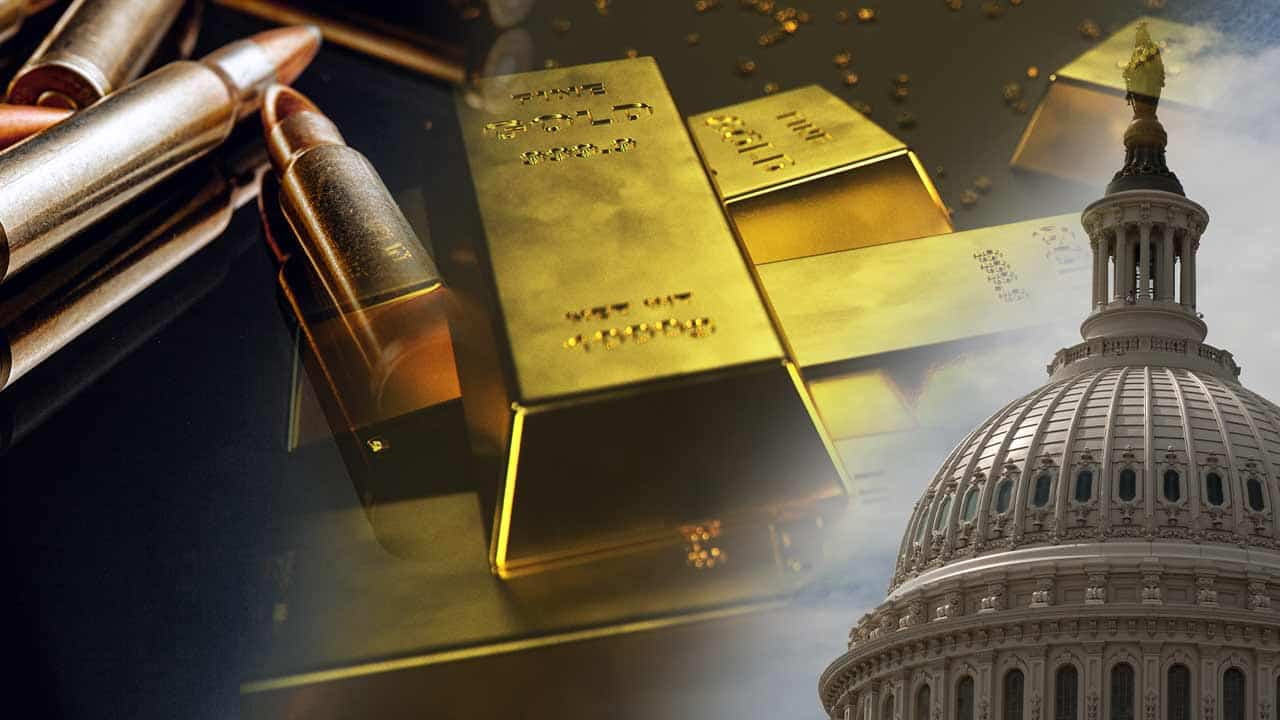
Gold and silver prices started the week lower after a volatile end to July, as investors continued sorting through the crosscurrents of Federal Reserve policy, geopolitical tensions, and inflation expectations.
The biggest story remains last week's Federal Reserve meeting. While these central planners left interest rates unchanged, the real surprise was the unusually public division within the central bank.
Three members of the committee voted for another rate hike—an unusually public display of disagreement that suggests the Fed remains concerned inflation is a problem.
Precious metals prices found support to begin the week as the U.S. dollar weakened and Treasury yields eased. Crude oil prices fell sharply after weekend reports that the Trump administration is pursuing diplomacy with Iran rather than immediate military action.
Lower oil prices could ease inflation concerns, reduce expectations for additional Fed tightening, and relieve upward pressure on real interest rates—a backdrop that generally favors gold and silver.
That illustrates the tug-of-war precious metals have faced for months. Geopolitical turmoil tends to boost safe-haven demand, but it can also fuel inflation fears and push real interest rates higher, offsetting some of gold's appeal.
When tensions ease, the opposite can occur: safe-haven demand fades, but lower inflation expectations and a softer dollar can ultimately provide a more durable tailwind for bullion.
The longer-term picture remains constructive. Central banks added a record 289 metric tons of gold during the second quarter, led by Poland and China, while demand for physical bars and coins remained resilient despite record-high prices.
Across Asia, investors are increasingly choosing bullion over jewelry, reinforcing gold's role as a store of wealth rather than simply a luxury purchase.
Silver continues to trail gold, reflecting its greater exposure to industrial demand and the economic outlook. But after weeks of consolidation, both metals appear to be building a base.
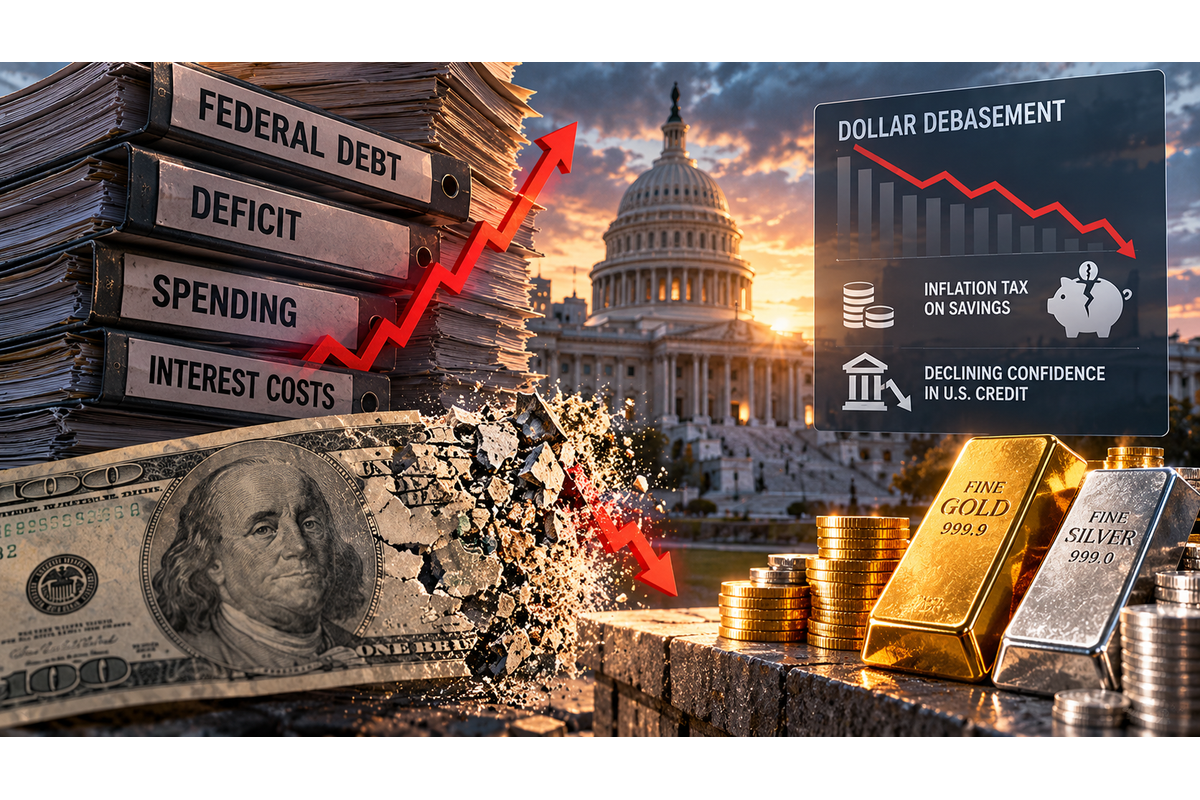
Whether the economy accelerates or slows, investors face the same challenge: protecting purchasing power in a world of persistent inflation, mounting debt, and uncertain monetary policy. That's why the long-term case for owning physical gold and silver remains as compelling as ever.
Comments
Log in or sign up to join the conversation.