

Despite the flare-up in the Middle East conflict and rising energy prices, eurozone inflation only ticked up from 2.8% to 2.9% in July. But consumer prices are not immune to current developments and inflation continues to face upward pressure.
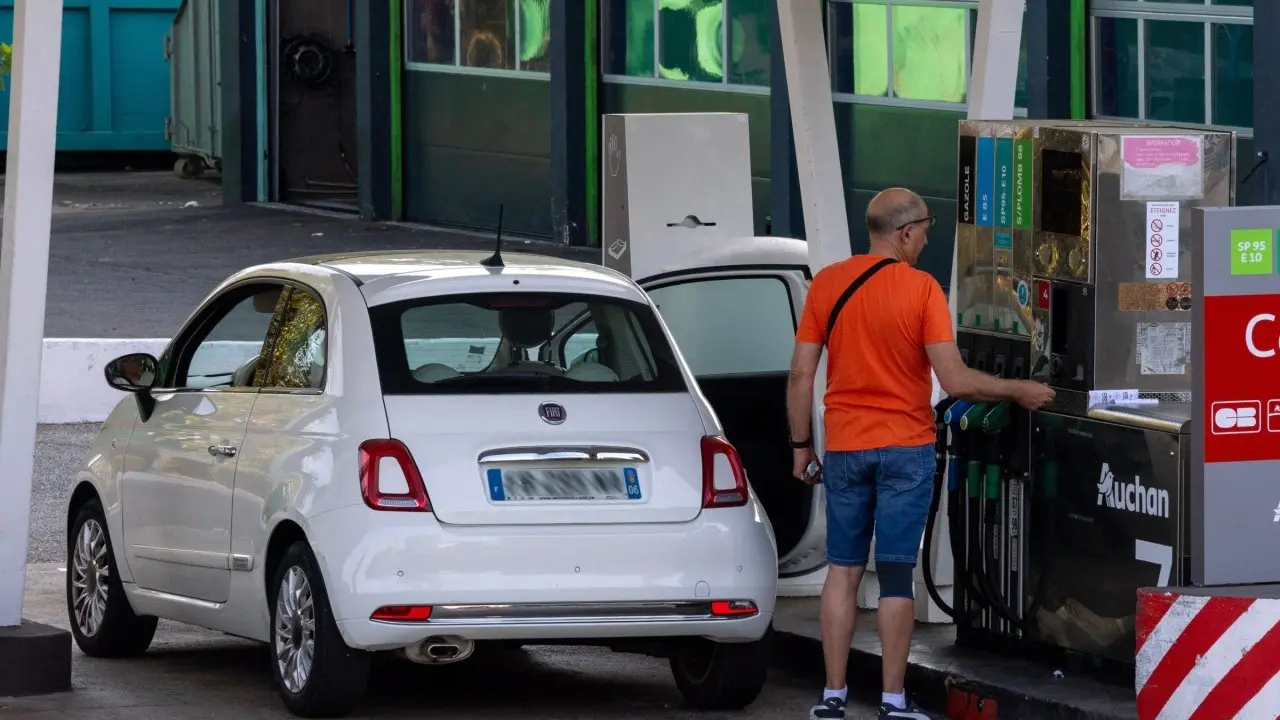
Fuel prices climbed sharply in July, lifting average pump prices across the eurozone to their highest level since the Middle East conflict began. Because July started while the US-Iran memorandum of understanding was still in place, the effect on this month's inflation figures was relatively modest, but August inflation will be significantly higher if oil prices remain around their current levels.
While energy inflation is on the move again, the question remains when second round effects will show up in core inflation data. The increase from 2.4% to 2.5% in core inflation in July was small, but does reflect both goods and services inflation trending slightly higher.
We do expect goods inflation to still rise from the current inflation rate of 0.9% (an increase from 0.8% in June), but so far there has not been much movement. While businesses continue to indicate caution in increasing selling prices, the months ahead should bring more pass-through of higher input costs.
And in the labour market, the ECB's own wage tracker noted a small tick-up in its expectations of negotiated wage developments for the start of next year. Nothing big, but perhaps a first sign of an impact of the modestly higher inflation rate on wage growth. The labour market is softer than a few years ago and wage growth is still higher than inflation for now, but the ECB will be attentive to the labour market effects for sure.
So, while the data for July was quite benign, there is still plenty of scope for a further increase in inflation. Especially since the Middle East war remains very unpredictable. The ECB remains on high alert and is likely to raise rates in September again under current conditions.

Comments
Log in or sign up to join the conversation.