


October U.S. inflation data showed headline inflation accelerating to 3.7% year-over-year (surpassing the 3.6% consensus forecast), while the core Consumer Price Index (Core CPI) rose to 2.6%. A disturbing signal for investors was that price pressures broke out of the energy sector and began seeping deeper into the economy. Key domestic components of core inflation posted notable gains: the transportation services index climbed to 2.7%, and shelter costs increased to 3.2%. Combined with resilient retail sales and a surge in the Producer Price Index (PPI) to 6.3%, these metrics delivered a clear message to the market: the Federal Reserve's hawkish monetary stance is here to stay for much longer.
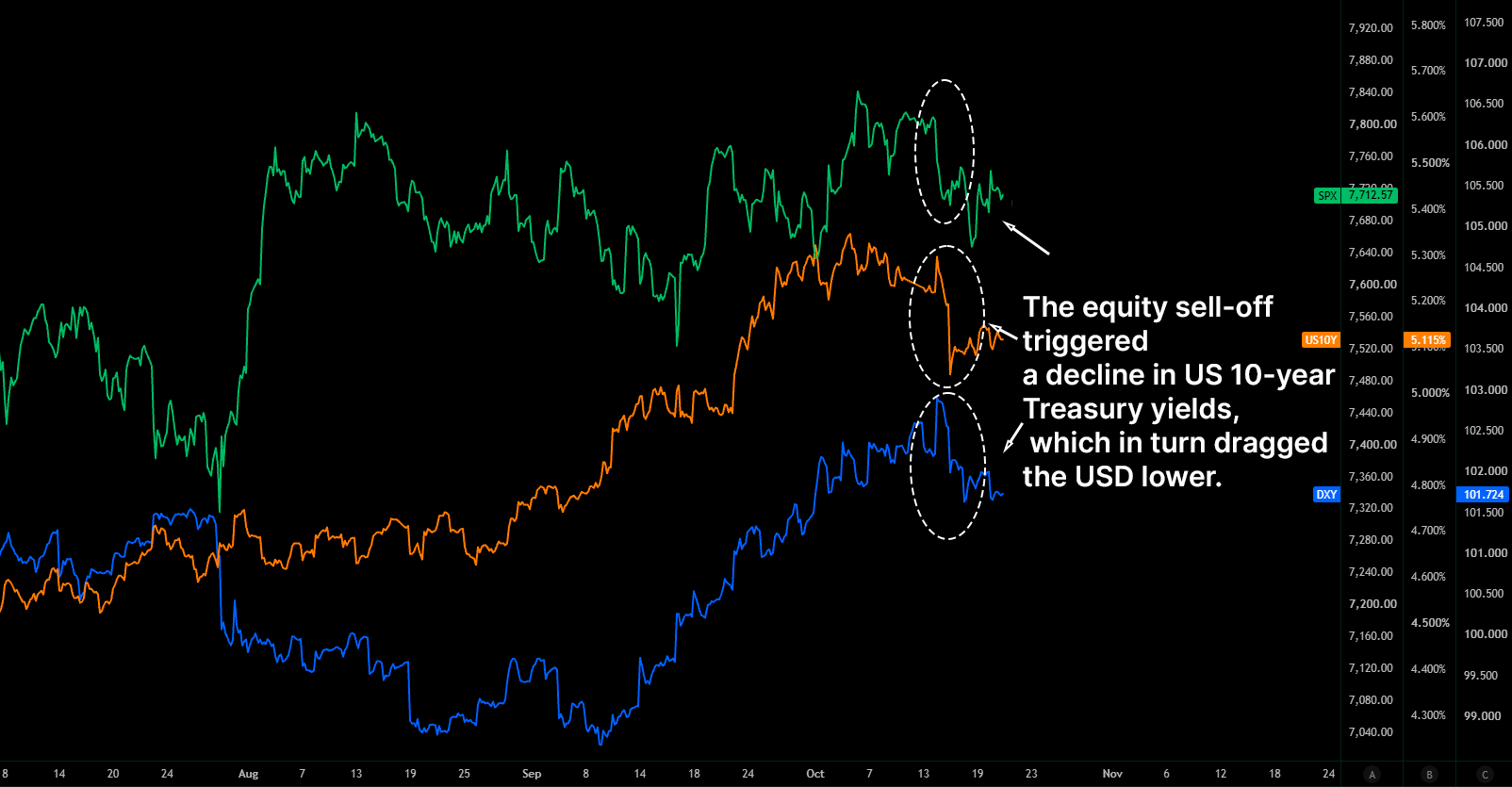
Heightened expectations of a tighter monetary policy triggered a sharp sell-off in the S&P 500. Investors began mass-liquidating equities and channeling the freed-up capital into safe-haven assets, primarily bonds. Amid the sharp market downturn, a direct correlation formed between the S&P 500 and the yield on 10-year U.S. Treasuries (US 10Y), as is typical: stocks plunged, and Treasury yields tumbled in tandem from a peak of 5.34% to 5.0%. Following bond yields downward, the U.S. dollar also took a heavy hit. The U.S. currency's decline was driven by risk aversion in the equities market, creating a somewhat paradoxical situation where rising expectations of tighter U.S. monetary policy led to a weakening dollar. However, this weakening is essentially a technical currency movement. A resumption of rising Treasury yields will restore growth to the U.S. dollar.
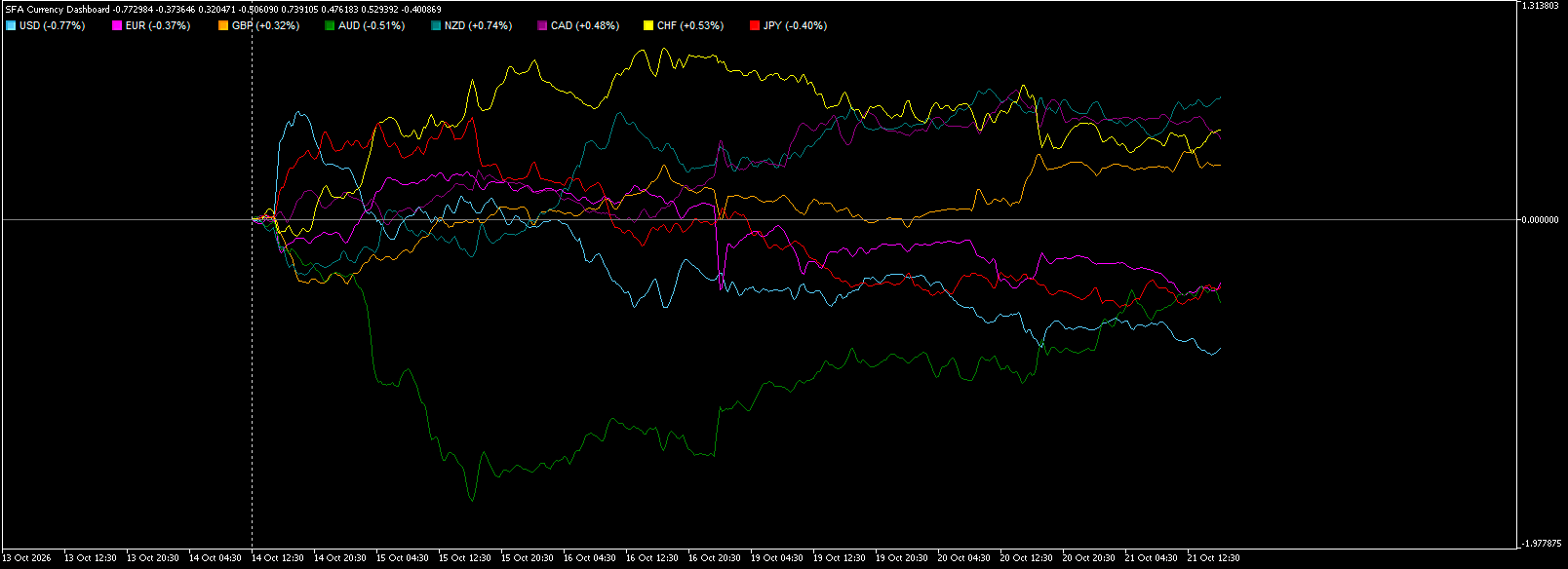
Against this backdrop, the Swiss franc demonstrated a powerful rally, underpinned by two key drivers. The first is a classic flight to safety and high demand for the franc as a safe haven. The second is a technical factor: following a brief spike, the dollar began dropping sharply in lockstep with Treasury yields, driving the USD/CHF pair lower and securing additional franc buying via currency swaps.
Amid the Swiss currency's broad-based rally, the dynamics of cross rates against the franc were determined by the macroeconomic backdrop in other countries. The most severe rout occurred in the AUD/CHF pair. Data from our proprietary indicator (the SFA Index Dashboard) show a deep slide in the AUD index, which was triggered by weak Australian labor market data. Employment Change in September came in at -39.3K versus +29.3K in August, casting doubt on the prospects for further tightening by the Reserve Bank of Australia. Amid the unwinding of long positions and carry trades, the Australian dollar plummeted, while the surging CHF exerted pressure from the other side—resulting in a double-barreled collapse for AUD/CHF. Other cross rates (GBP/CHF and EUR/CHF) declined less dramatically, as the British pound and euro attempted to push higher on their own, partially offsetting the Swiss franc's meteoric advance.
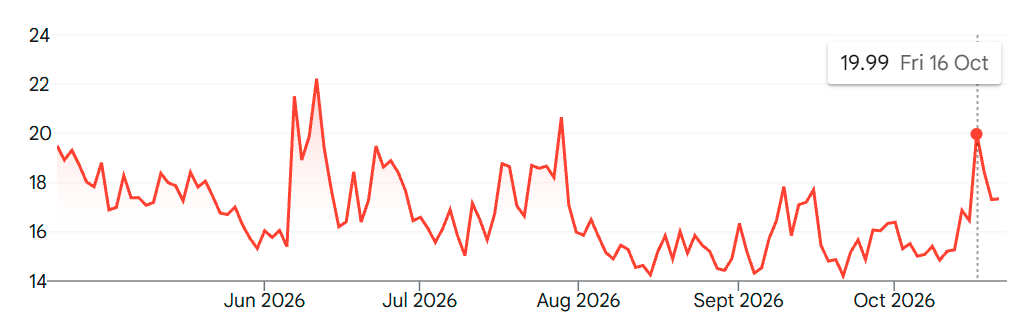
Currently, the VIX volatility index has retreated from its peak of 19.99 to 17 (compared to a six-month historical average of 15–16). The peak of acute panic is behind us, and the franc has corrected slightly. Despite lingering crisis factors in the markets—such as political instability and protests in several European nations, as well as persistent geopolitical tensions surrounding Iran—the softening of the Swiss franc may still continue in the wake of declining volatility in equity and bond markets.


Comments
Log in or sign up to join the conversation.