

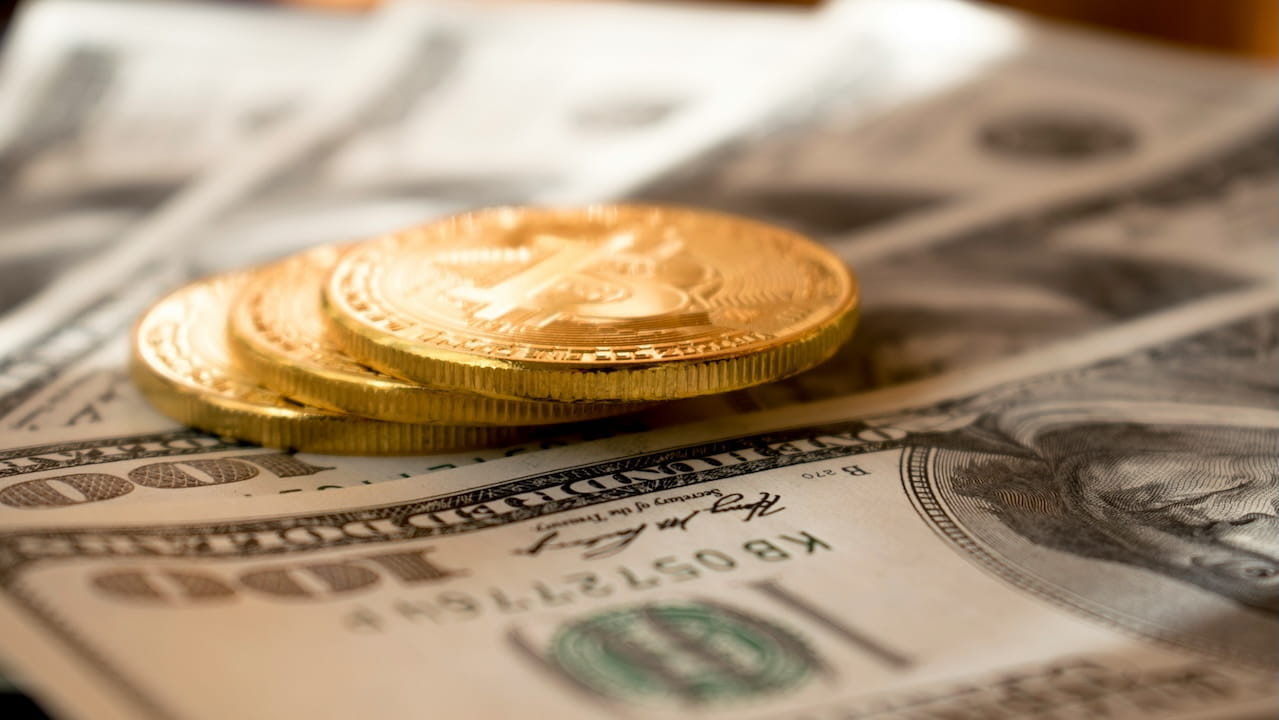
Central bankers expect de-dollarization to continue over the next several years, with gold and other currencies taking on a growing role in the global monetary system, according to a survey by the Official Monetary and Financial Institutions Forum (OMFIF).
This comes on the heels of a World Gold Council survey reflecting the same sentiment.
According to the OMFIF survey, more central banks plan to cut dollar allocations than increase them over the next year. The World Gold Council survey mirrored these findings, with 74 percent of the respondents saying they expect their share of dollar reserves to be lower in five years.
Meanwhile, 79 percent of the central banks surveyed by the OMFIF indicated that the world is moving toward a “multi-polar” monetary system, with other currencies taking on a larger role as the dollar's importance wanes.
Nearly all the central bankers surveyed by the OMFIF indicated that holding yuan provides diversification, and two-thirds said the euro has become more attractive in international trade.
However, the dollar isn’t being replaced by the yuan or euro. It is being knocked off its monetary throne by gold.
According to the survey, gold "has moved to the center of reserve management strategy."
The survey found 82 percent of respondents now hold physical gold. That was up from 71 percent a year ago. Thirty percent plan to increase their gold allocations over the next one to two years.
Last year was the fourth-largest expansion of central bank gold reserves on record at 863 tonnes. That was down 21 percent year-on-year, but still well above the 2010-2021 annual average of 473 tonnes.
The all-time high was set in 2022 (1,136 tonnes). It was the highest level of net purchases on record, dating back to 1950, including since the suspension of dollar convertibility into gold in 1971.
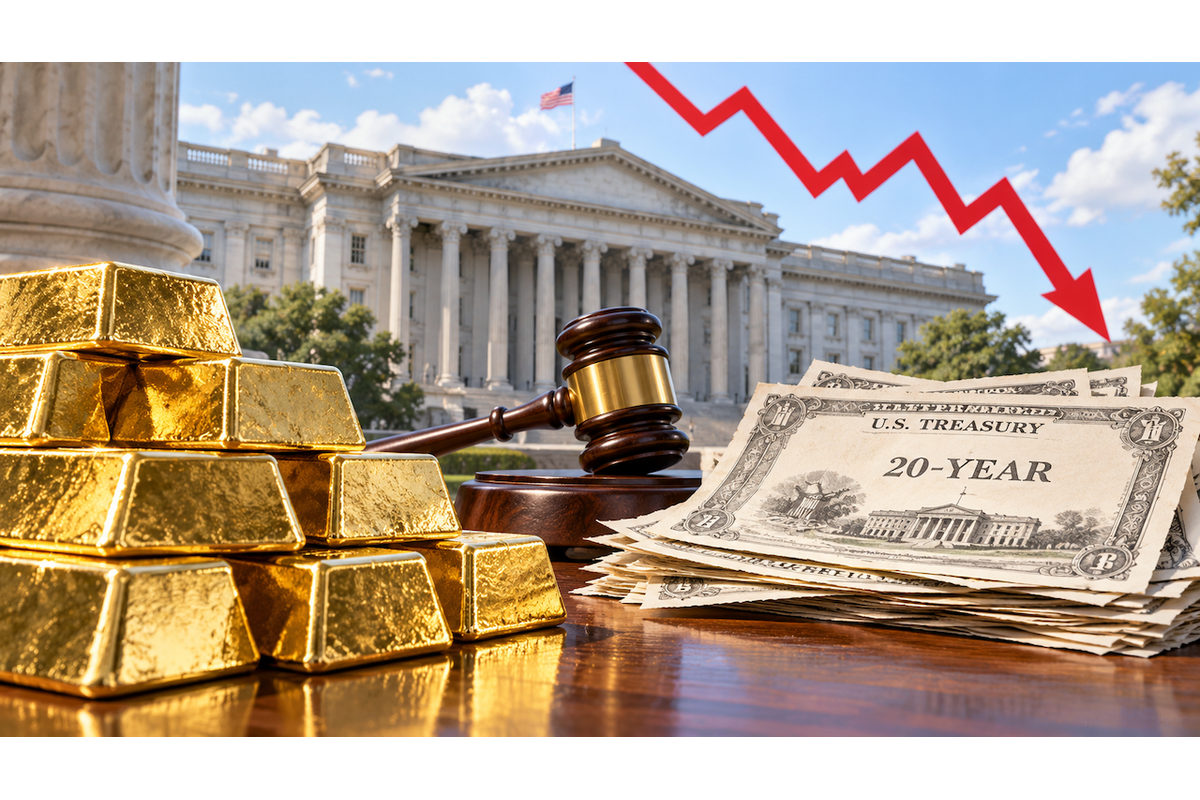
Last month, the European Central Bank confirmed that gold had overtaken U.S. Treasuries as the world’s top reserve asset.
According to the OMFIF report, this shift toward gold has been “driven by protection against geopolitical risk and growing doubts about the stability of the international monetary system.”
OMFIF head of research Andrea Correa said she thinks this trend will continue into the foreseeable future.
"Gold is not moving anywhere. Reserve managers of the central banks are still very bullish on gold. Despite the fact that the gold value itself keeps rising, they are still demanding it."
Correa said gold is the one asset that everybody perceives as “safe” in the midst of increasing geopolitical shocks and growing uncertainty. Protection against geopolitical risk was cited by 51 percent of reserve managers as a reason to own gold, up 11 percentage points from 2024.
“That is not going to change in the short term,” Correa said.
She also said there seems to be a long-term commitment to the yellow metal.
"When you ask central banks about the long term—10 years—gold is still the second asset they name. They no longer say they want to increase government bonds. Instead, they shift toward corporate bonds, then gold, and then public equities."
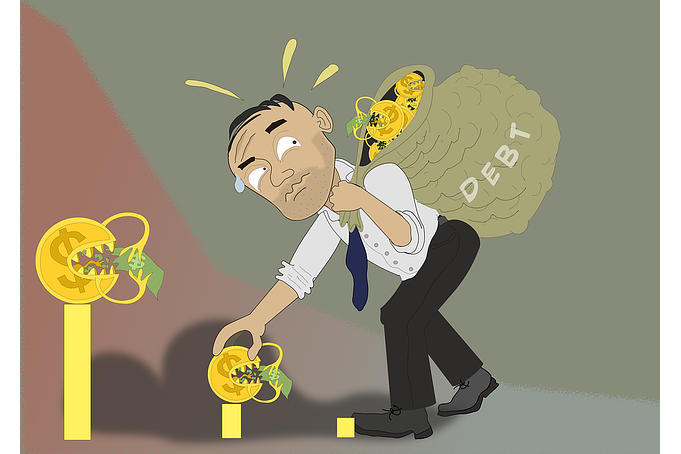
It's not surprising that central bankers are spurning government bonds given the unprecedented level of government debt. Governments can't seem to keep borrowing and spending. At some point, a wise man stops loaning his drunk uncle money.
The survey notes that the dollar isn’t in any danger of falling off its perch as the world’s reserve currency. However, even a modest de-dollarization spells trouble for the U.S. economy.
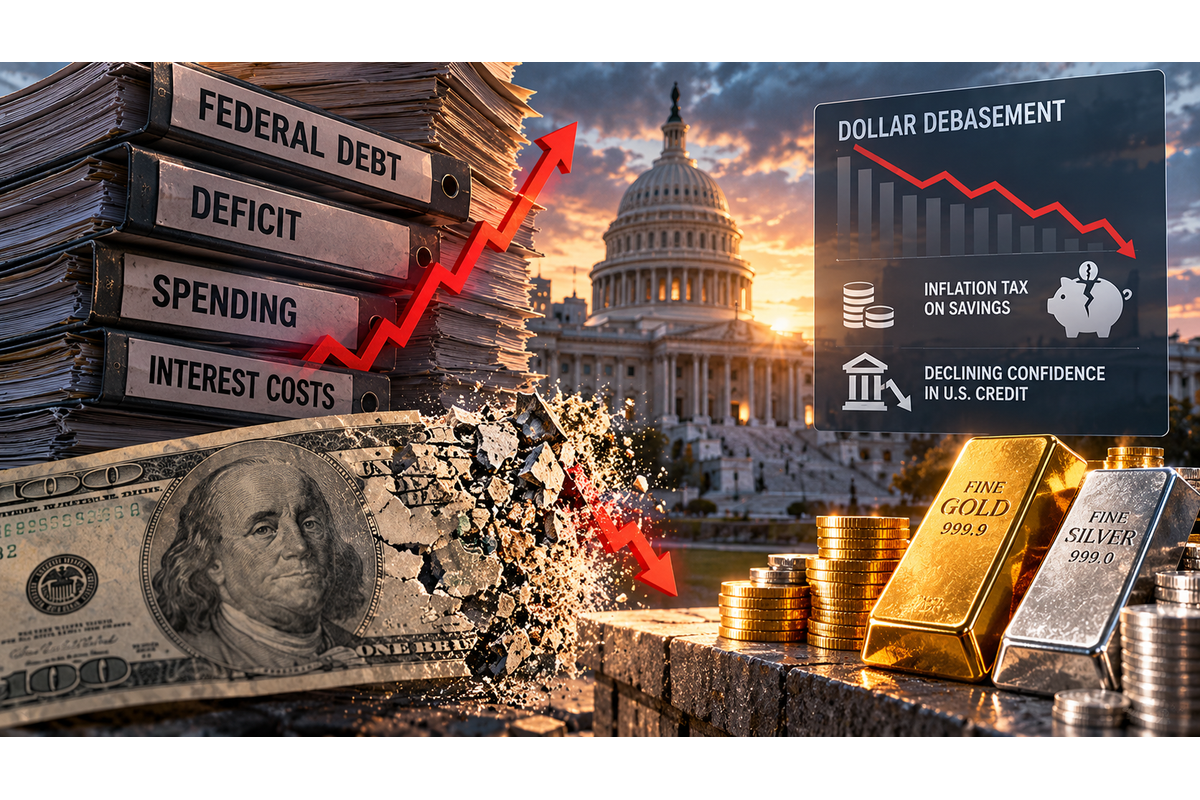
Since the global financial system runs on dollars, the world needs a lot of them, and the United States depends on this global demand to underpin its bloated government. The only reason the U.S. can borrow, spend, and run massive budget deficits to the extent that it does is the dollar’s role as the world reserve currency. It creates a built-in global demand for dollars and dollar-denominated assets. This absorbs the Federal Reserve’s money creation and helps maintain dollar strength despite the Federal Reserve’s inflationary policies.
But what happens if that demand drops?
A de-dollarization of the world economy would cause a dollar glut. The value of the U.S. currency would further depreciate. At the extreme, global de-dollarization could spark a currency crisis. You and I would feel the impact through more price inflation, eating away at the purchasing power of the dollar. In the worst-case scenario, it could lead to hyperinflation.
Comments
Log in or sign up to join the conversation.