


For now, the Belgian economy is not heading into recession, but its resilience is being tested. Renewed energy pressures are likely to push inflation up to near 5%, while a difficult €10bn budget package will weigh on demand. Growth should remain weak, leaving little room for policy errors
Belgium’s economy is bending, but not breaking – for now
After a modest first quarter, when the economy grew by 0.2% quarter-on-quarter, Belgian GDP stagnated in the second quarter. On the demand side, household consumption once again proved resilient, rising by 0.4% despite the first wave of higher energy prices. By contrast, business investment fell by 0.7%, while public investment dropped by 8.0%. On the supply side, industry again underperformed, with activity contracting by 0.6% from the previous quarter. In practical terms, Belgian industrial added value in 2026 remains below its level at the end of 2019.
At the end of June, there were grounds to hope that the easing in energy prices would prove lasting, paving the way for activity and inflation to normalise. That optimism helped lift both consumer and business confidence over the summer. Based on July and August data, the National Bank of Belgium estimated that growth could then rebound by 0.3% in the third quarter.
We are less optimistic, however. The escalation in geopolitical tensions since August has dashed hopes of a swift end to the conflict. In September, diesel prices moved above their early-April peak. European natural gas prices, meanwhile, are now more than twice their level at the start of the year, adding to household energy bills. Combined with the first effects of fiscal tightening, it is hardly surprising that consumer confidence fell back in September to its May low.
Business confidence improved in September, but the headline indicator owes much to manufacturing. Confidence in the sector continued to recover, with the index rising from -17.8 in August to -12.2 in September, close to its level before the conflict in the Middle East. Similar, and somewhat surprising, resilience can be seen elsewhere in Europe. Yet sentiment weakened markedly in every other sector, with the services' indicator falling to its lowest level since October 2023. The bottom line is that Belgium’s economy is likely to end the year on a subdued note. We do not expect a recession, but growth is set to remain very weak.
Inflation likely to hit 5%
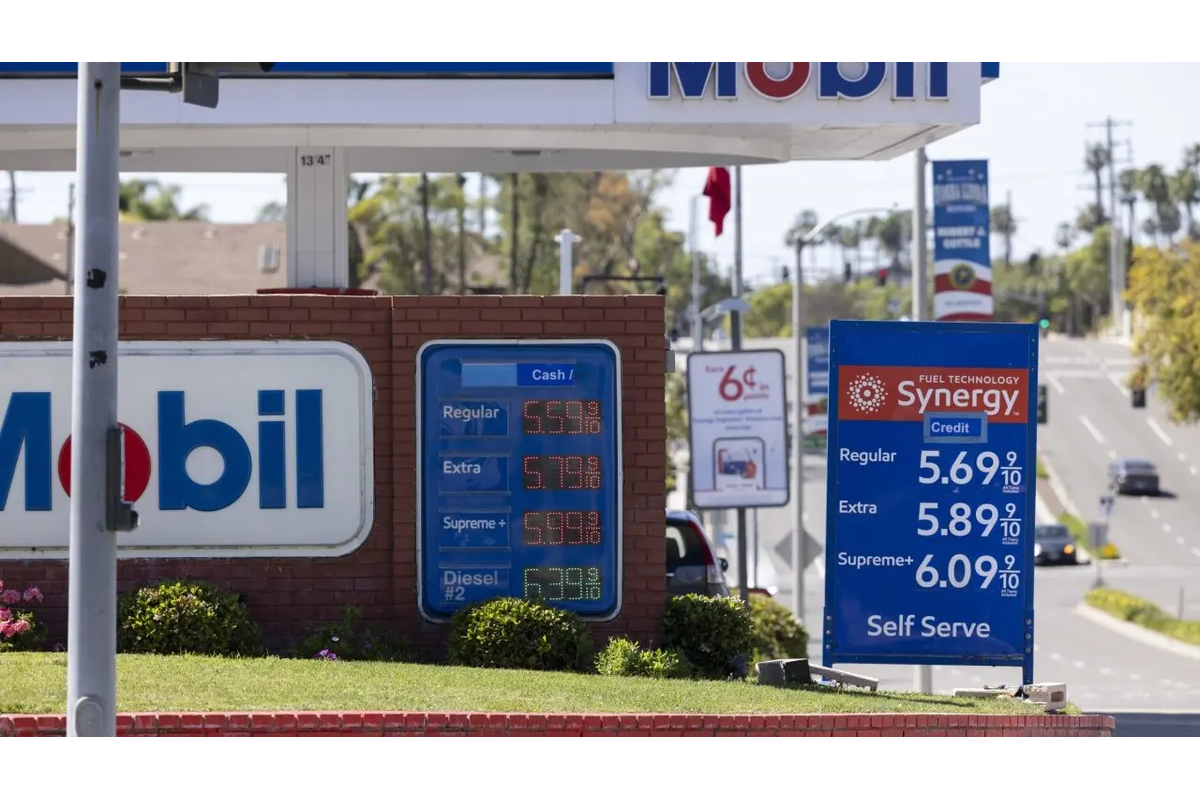
With fuel and gas prices rising, inflation moved back above 4% in August. Household gas bills and motor fuel prices were both more than 24% higher than a year earlier. But petroleum-related products are not the only source of pressure: household healthcare costs rose by 6.6%, while recreation and culture prices increased by more than 8%.
In the coming months, inflation is likely to climb further. First, energy prices are still rising, whereas they were falling a year ago. The annual comparison will therefore become increasingly unfavourable, mechanically pushing inflation higher. Second, energy prices have now remained elevated for more than six months, increasing the risk that the shock feeds into a wider range of consumer prices. Of the 215 goods and services tracked in the index, 46% recorded a higher inflation rate in August than in July. This is still well below the peak seen in spring 2022, when inflation accelerated for almost three-quarters of the measured items. Even so, the energy shock appears to be spreading more broadly through the economy.
The Federal Planning Bureau recently indicated that inflation could temporarily exceed 5% from the end of this year. Unless geopolitical conditions improve decisively, our own forecasts point in the same direction.
A moment of truth for Belgium’s public finances
The next few weeks will be decisive for Belgium’s public finances. The prime minister is seeking an agreement on €10bn of recurring savings in the federal budget. The exercise will not be straightforward. From an accounting perspective, raising revenue or cutting expenditure is relatively simple. Designing measures that limit the damage to household purchasing power and economic activity is much harder – and politically, it may prove close to impossible. Further tensions among the federal coalition parties therefore look likely. The worst-case outcome – not our base case, but a genuine tail risk – would be the collapse of the government. That would undermine household and business confidence, hurting growth, while investors would probably demand a higher risk premium on Belgian government debt. Even if, as we expect, the federal government reaches an agreement, the economy is unlikely to rebound immediately. Bringing public finances under greater control could eventually support consumption and investment, but in the near term fiscal tightening will inevitably weigh on activity in one form or another. With growth fragile and inflation rising, the economic quality of the package – maximising the budgetary return while minimising the drag on the economy – will be crucial for Belgium’s 2027 growth outlook.

Comments
Log in or sign up to join the conversation.