
The committee is turning more dovish as confidence grows that higher energy prices won't spill into broader inflation – even if there was one extra vote for a rate hike at the July meeting. We expect a prolonged hold from the Bank before rate cuts resume next spring.
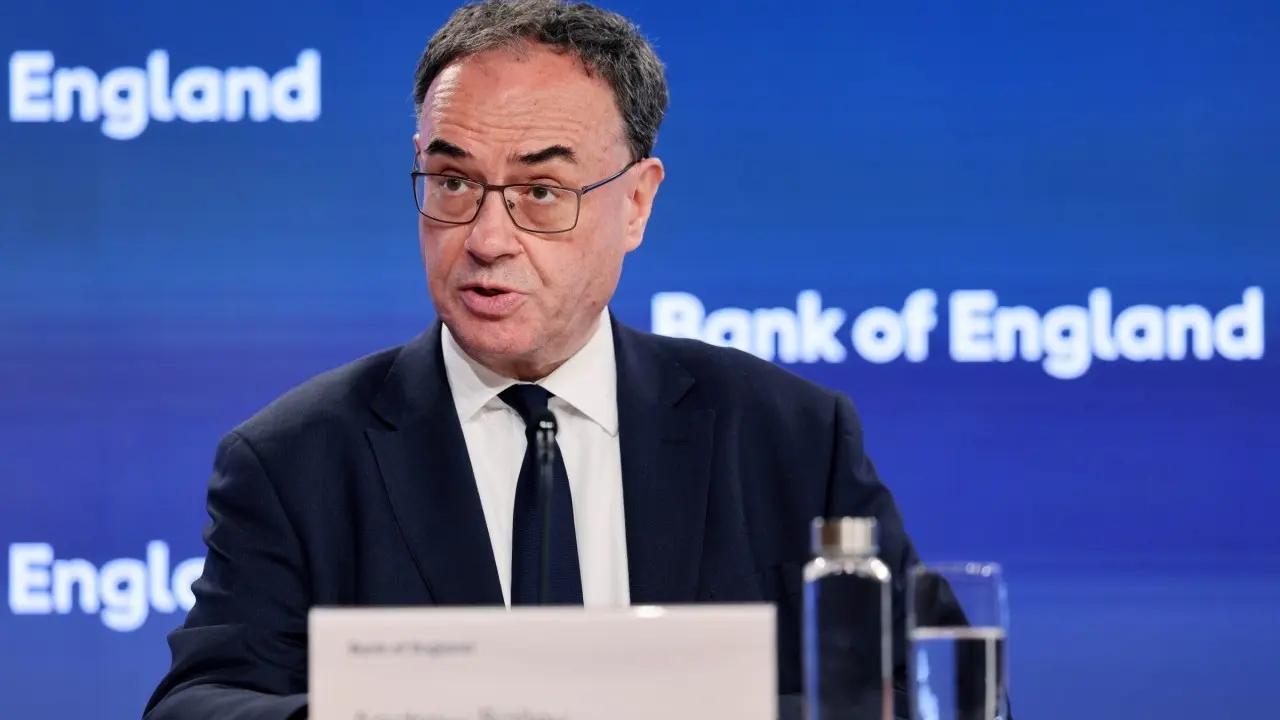
The Bank of England has kept rates on hold at 3.75%, but the overall decision leans dovish.
Yes, we have three out of the nine committee members voting for a hike. Catherine Mann joined Huw Pill and Megan Greene, who both backed tighter policy in June. That 6-3 vote wasn’t what most expected, but it’s not a huge surprise. Mann's comments six weeks ago suggested she was already close to voting for a hike.
But crucially, the doves are getting more dovish. There’s more clear water opening up between them and the hawks. And the bar for a rate hike seems to have risen.
Officials are visibly more confident that we won’t see the sort of second-round effects they feared at the start of the Middle East conflict. That echoes what we’ve seen in the data: surveys suggest firms aren’t boosting their price or wage plans on the back of the energy crisis. And it’s been particularly striking how weak food inflation has been, despite it being one of the more obvious places for higher energy prices to spill into.
Governor Andrew Bailey said, “Inflation persistence may be weaker than presumed.” Sarah Breeden says she has “greater confidence that [second round effects] should be limited." Both Alan Taylor and Dave Ramsden explicitly talk about a return to rate cuts if the crisis doesn’t worsen.
Still, a rate hike isn’t totally off the table. The Bank’s new forecasts suggest multiple rate rises would probably be required in a scenario where oil rises to $100/bbl, natural gas reaches around 170p/therm, and inflation peaks at roughly 4.5% in the middle of next year.
It’s tempting to conclude from this that it wouldn’t take too much to tempt the Bank into a hike. Energy prices have flirted with those levels over recent weeks, after all. And it’s not hard to imagine how we could get back there into August.
But the length of time we stay at those levels also matters; it would probably require prices to stay materially higher over a period of several weeks. And the last few weeks have shown how quickly things can change. That adverse scenario also makes the crucial assumption that the strength of second-round effects is highly correlated with the level of energy prices, which is not necessarily true.
Ultimately, as we’ve argued throughout the crisis, 4% inflation is probably an important line in the sand for the Bank. It argued last summer that when inflation surpasses that level, it is statistically more likely to be consistent with second-round effects and a longer-lasting bout of price pressure.
We’re not there yet; we think inflation is set to peak to around 3.5% on the current path of energy prices.
The upshot is that unless the situation in the Middle East gets particularly dire, we think the Bank will continue to keep rates on hold through 2026, before cutting rates twice from next spring.


Comments
Log in or sign up to join the conversation.