


Record debt levels, geopolitical volatility and desperate, if not puzzling monetary policies are accelerating the global flight toward hard assets.
While physical gold continues to attract record institutional and ETF inflows, a structural supply shortage is quietly unfolding beneath the surface as new tier-one discoveries dry up. That’s why we’ve compiled the key charts and numbers to expose the real story.
The five charts below break down this shifting supply-demand dynamic and speak to exactly where the greatest opportunities could be for strategic investors.
I. The Exploration Enigma: Spending More, Finding Less
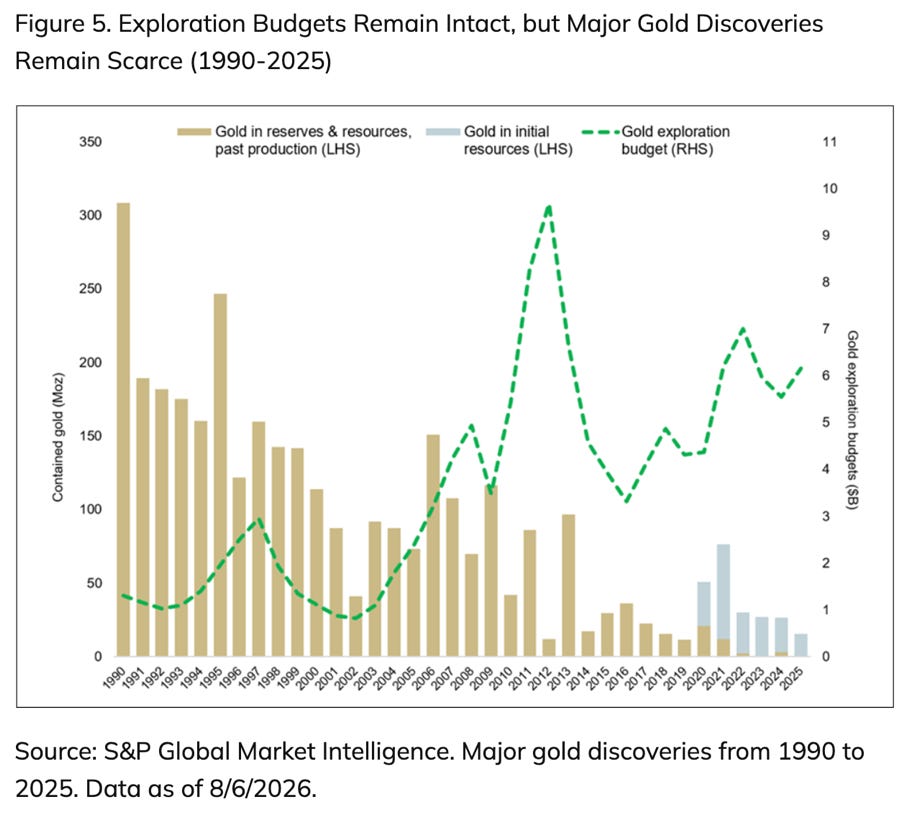
Even as global exploration budgets have rebounded, major new gold discoveries remain relatively scarce compared to the 1990s. Today, mining companies are deploying large amounts of capital back into the ground. Yet the tier-one deposits that justify that spending are getting harder to find. The chart above highlights the structural supply crunch facing the industry and the opportunity for businesses with an edge. This widening gap between drilling expenditure and discoveries underscores why existing developers and established high-grade assets can deliver long-term opportunities for strategic investors.
II. ETF Holdings Surge to All-Time Highs
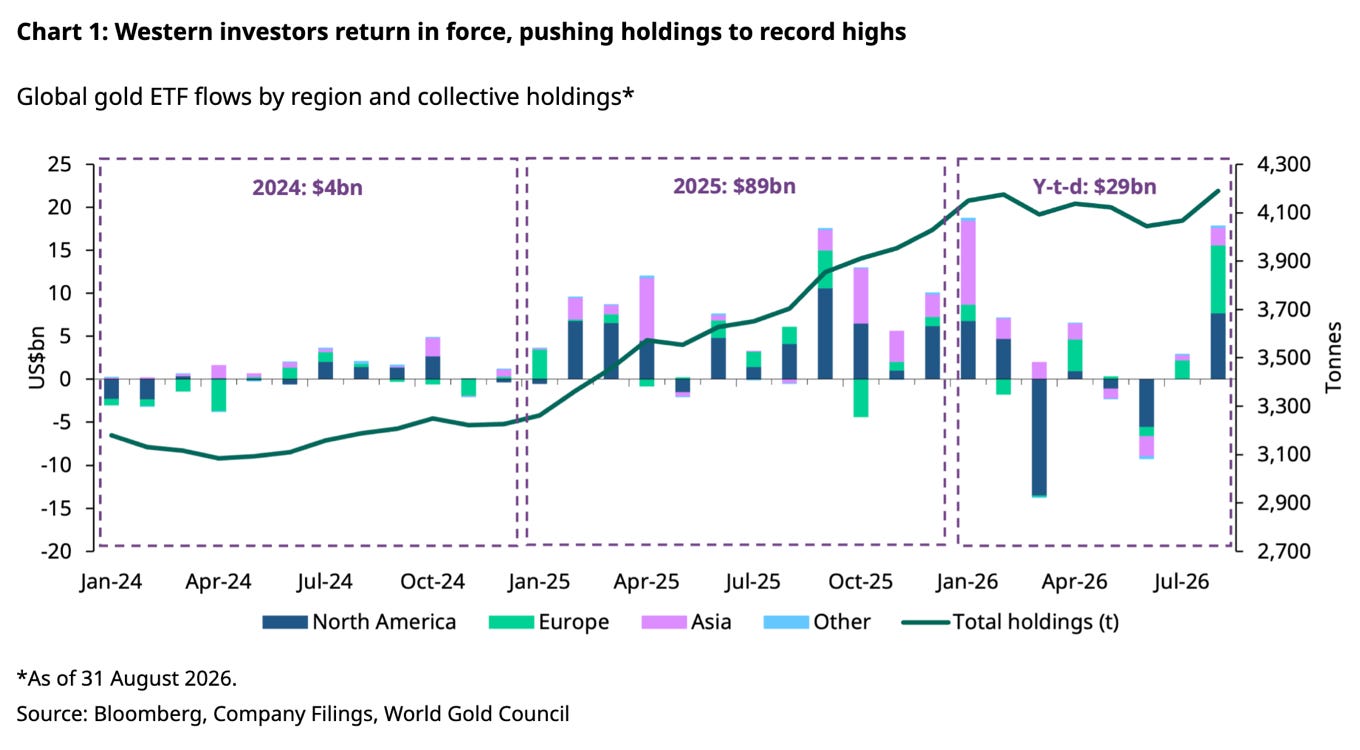
The World Gold Council reports that, “Gold-backed ETFs… account for a significant part of the gold market, with institutional and individual investors using them to implement many of their investment strategies. Flows in ETFs often highlight short-term and long-term opinions and desires to holding gold.” As investors face growing concerns over skyrocketing government debt issues, currency fears related to the U.S. dollar and questionable central bank policies, massive inflows across North American and European funds have gravitated toward gold ETFs. This shift marks a critical transition from paper-market skepticism to wealth preservation action, serving to reinforce gold’s role as a key hedge against fiat volatility.
III. Gold Dominates Global Mine Additions
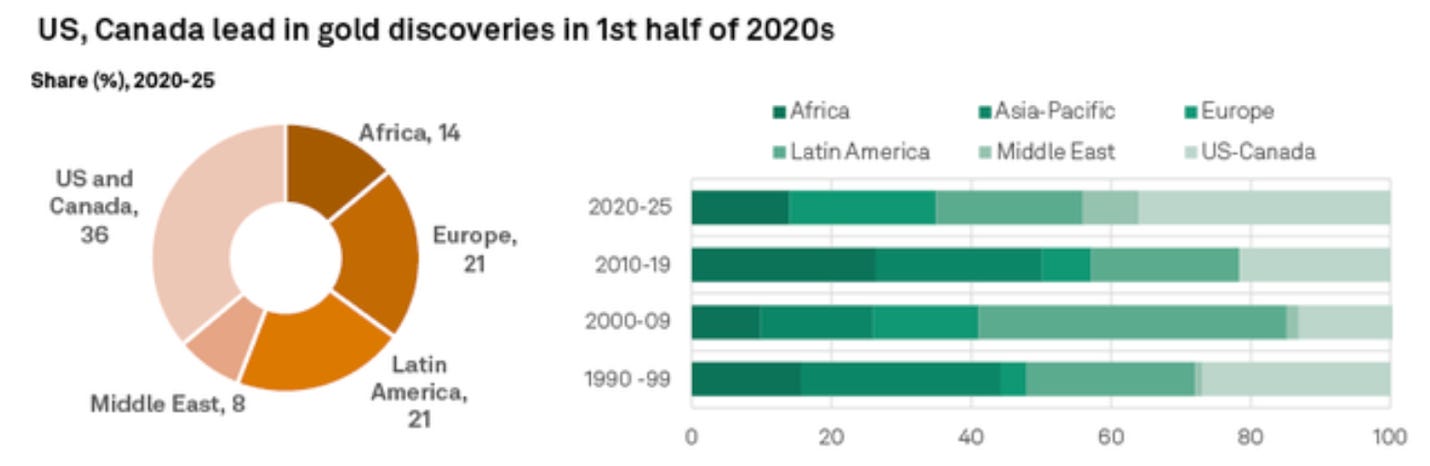
Despite several years of permitting hurdles and inflationary-related costs, gold has outpaced other natural resource sectors in driving forward brand-new mining operations since 2020. However, the vast majority of these additions represent early opportunities and have details behind their discoveries still in play. Developers with shovel-ready projects in stable jurisdictions will ultimately hold the key to sustaining long-term output.
IV. Geopolitics Clashes with Monetary Policy in the Macro Space
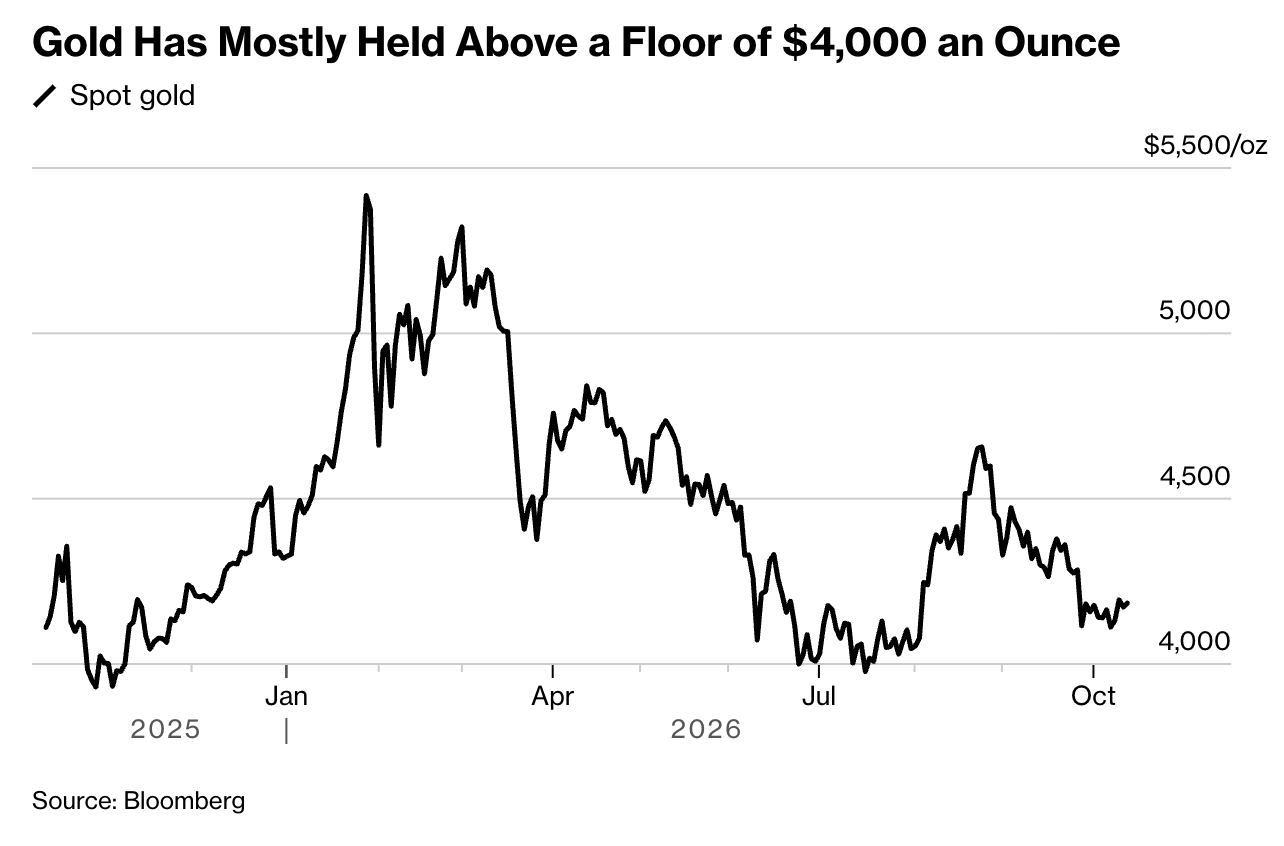
The spread of conflict around the globe together with energy supply disruptions have renewed investor anxieties. While central banks continue to publicly push for “higher-for-longer” rate policies and a stronger dollar, both of which usually weigh on gold, gold prices have maintained a firm range. These macro swings offer an attractive entry windows into cash-generative producers that are printing record margins at prevailing gold prices.
V. Safe Jurisdictions Command the Spotlight
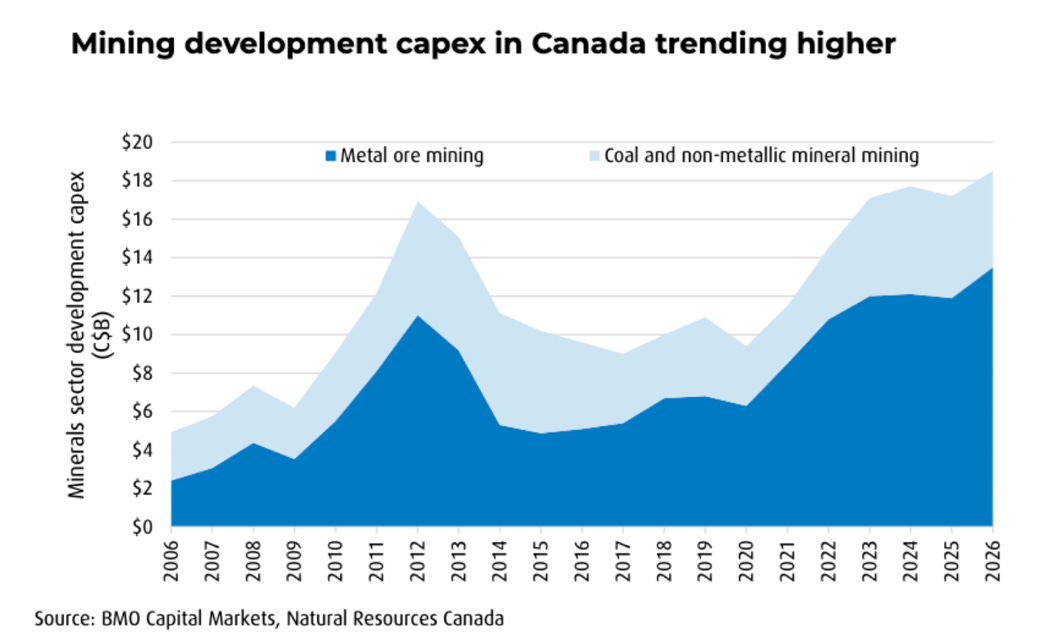
Governments in the West are increasingly moving to secure critical resource pipelines, deploying massive investment packages to establish domestic mineral security. For gold and critical metals developers, operating in tier-one mining jurisdictions like Canada and the U.S. can offer relatively stable regulatory certainty and even present fast-tracks because of existing infrastructure access. As geopolitical divides grow, resource nationalism will be magnified. That’s why the value of assets anchored in secure, mining-friendly borders presents a compelling investing edge.


Comments
Log in or sign up to join the conversation.