


Image Source: Pexels
Although the federal government shutdown has been over for a month and a half, most of the data that has been released has lagged badly, especially including data on sales, spending, and business orders. That means that the most current measures of these are the ISM manufacturing and non-manufacturing reports, due Friday of this week and Monday next week; and the regional Fed banks’ manufacturing and services indexes.
While certainly not perfect, in the aggregate they at least sketch on outline of where the economy has been going in the past month. On Monday I looked at the goods producing sector. Now that the Texas Fed has reported, here is the Services sector.
As with the manufacturing chart, month over month changes are in parentheses, showing momentum (the 2nd derivative), with the absolute diffusion values for November following. The final number is the average change and absolute number for all 5 together. The chart includes, in order, NY, Philadelphia, Richmond, Kansas City, and Texas:
Regional Fed: NY. PHL. RVA. KC. TX. Avg
Headline: (+1.7) -20.0; (-0.5) -16.8; (+4) -11; (+10) 3; (-1) -2.3; (+2.8) -9.6
Cap Ex (+0.2) -6.9; (+10.6) 10.6; (-6) -9; (+14) 9; (+3.6) 23.6; (+3.5) 5.5
Prices Paid (+10.2) 72.1; (+5.6) 40.3; (+1.3) 6.1; (+2) 34; (-1.4) 26.2; (+3.3) 35.7
Prices Rec’d (+10.4) 30.5; (-3.0) 19.0; (+0.1) 3.2; (-4) 10; (+1.4) 7.9; (+0.9) 14.1
Wages (-1.7) 23.7; (-3.2) 46.1; (+5) 17; (-11) 13; (-3.9) 10.8; (-3.0) 22.1
Employment (-1.2) -7.4; (+7.1) 9.6; (+4) 5; (+10) -6; (-3.9) -0.8; (+3.2) 0.0
The only clear positive trend is strong CapEx growth, implying building capacity for increased demand in the future. Wages also continued to show broad growth, although they may be growing too fast for the underlying business conditions. By contrast, headline business conditions continued to indicate contraction, although less than in November, and employment was dead in the water. Meanwhile both prices paid and prices received continued to show broad increases, the former more than the latter. This suggests sustained services inflation will continue, and even perhaps amplify in the months ahead.
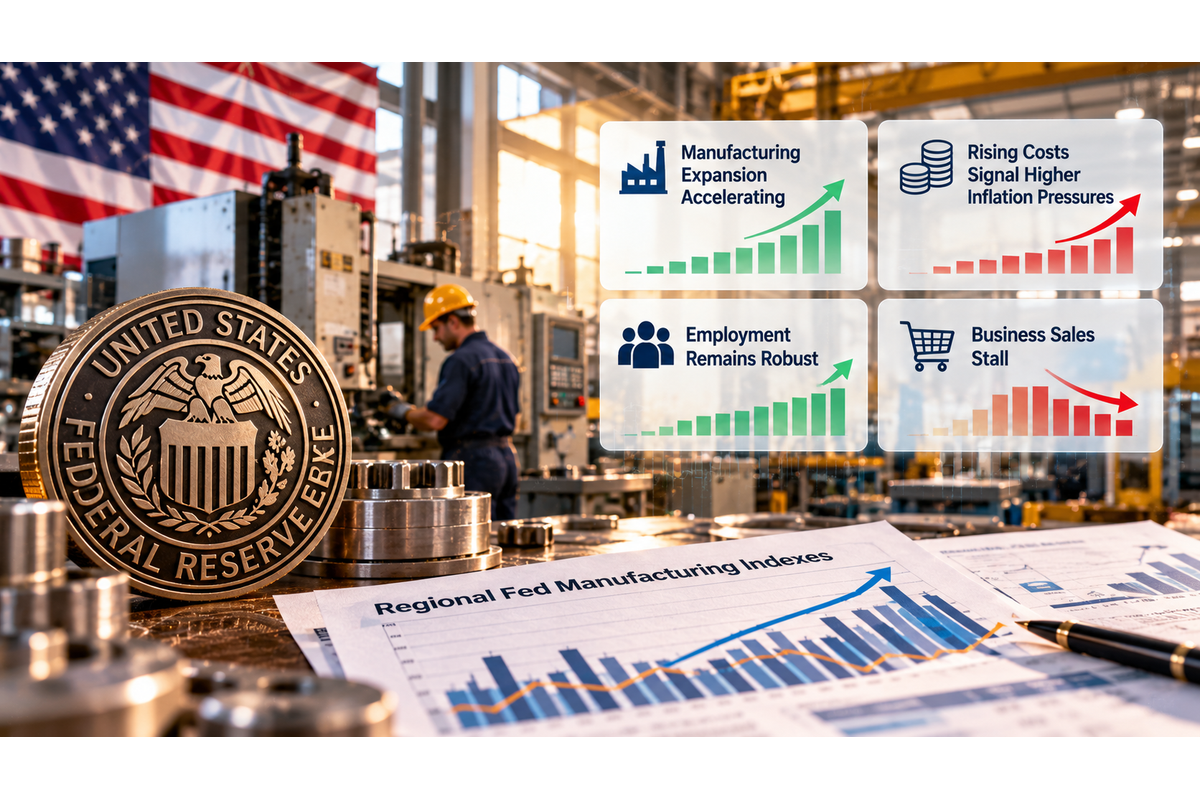
On Monday I summarized the manufacturing situation thusly: “The December regional Fed reports suggest that while new orders have continued to be positive, the increasing trend has abated, with overall actual contraction of production. Prices paid by manufacturers continue to increase, but at a slower pace, while the prices they receive have firmed. Meanwhile employment is barely positive, but wage growth continues.”
When we examine both the manufacturing and services sector in full as reported by the regional Feds in December, giving much more weight to services as per their share of the economy, we see promising signs of future expansion, but stalling present production and employment, in the face of continued inflationary prices both at the commodity and final demand levels. Whether wage growth can continue to match this is very much at issue, as wage growth tends to follow employment growth (or lack thereof). If the trends continue, strong inflation and weakening wage growth are a recipe for a consumer led recession.
More By This Author:
Positive Trend In Jobless Claims Continues Through Year EndRegional Fed Manufacturing Indexes Suggest 2025 Trends Are Slowly Abating
How The “Wealth Effect” Fueled Q3 GDP

Comments
Log in or sign up to join the conversation.