

YTD returns across major U.S. asset classes continue to reflect a highly concentrated market. The Finviz chart below does a nice job illustrating YTD returns across a wide array of futures contracts. Large-caps dominate YTD equity returns, while small- and mid-cap stocks lag amid tighter financial conditions and slower earnings growth.
Outside of equities, YTD returns have been more muted. Bonds have stabilized as yields eased from their highs, offering modest diversification benefits, while cash remains competitive thanks to elevated short-term rates. Commodities and real assets have delivered mixed YTD returns as global growth slows and inflation pressures fade.
The takeaway is clear: YTD returns viewed at a high level mask wide dispersion beneath the surface, making positioning and diversification far more critical than broad market exposure.

What To Watch Today
Earnings
- No earnings releases today
Economy
(Click on image to enlarge)

Market Trading Update
Yesterday, we touched on the pullback in Silver prices, and we will soon have a comprehensive discussion on how the precious metals markets really operate versus the persistent “doom” crowd in the financial media world. However, today, we close the books on 2025. The chart below is an excellent synopsis of all the events that drove the markets this past year, from the Presidential inauguration to tariff concerns, “Liberation Day,” to Artificial Intelligence.
In retrospect, it was a year marked by significant volatility, numerous concerns, and a persistently shifting market narrative.
(Click on image to enlarge)

However, there is an important lesson to be learned, which is that narratives are often an inferior way to manage your portfolio. As Dalbar frequently states, we must minimize the behavioral issues that constantly impact our investing outcomes.
- Optimism – Overly optimistic assumptions often lead to dramatic reversals when confronted with reality.
- Loss Aversion – The fear of loss leads to a withdrawal of capital at the worst possible time, also known as “panic selling.”
- Narrow Framing – Making decisions about one part of the portfolio without considering the effects on the total.
- Anchoring – The process of remaining focused on what happened previously and not adapting to a changing market.
- Mental Accounting – Separating the performance of investments mentally to justify success and failure.
- Lack of Diversification – Believing a portfolio is diversified when, in fact, it is a highly correlated pool of assets.
- Herding– Following what everyone else is doing. This leads to “buy high/sell low.”
- Regret – Not performing a necessary action due to regret over a previous failure.
- Media Response – The media has a bias to optimism to sell products from advertisers and attract viewers/readership.
In other words, commit in 2026 to make a straightforward change to your investing behavior: “Worry less about what everyone else says, and focus more on what works, and less of what doesn’t.”
While the “herd” tends to be right in the middle of a move, they are historically very wrong at the ends of it. This is why contrarian investing consistently outperforms over the long term.
Wishing you a happy, prosperous, and blessed New Year.
Fed Minutes Point to a Slower Path for Rate Cuts
Minutes from the Fed’s December meeting show policymakers growing more cautious about cutting rates further in early 2026. Several officials noted that the decision to ease in December was “finely balanced,” with some preferring to hold rates steady as inflation progress shows signs of stalling.
While labor market conditions have softened, economic growth and consumer spending remain resilient, complicating the policy outlook. As a result, many participants favored keeping rates unchanged for “some time” while assessing incoming data. That stance aligns with the Fed’s projections, which point to a slower and more data-dependent path for future cuts.
Financial Planning For Retirement In Your 50s
As retirement approaches, the question shifts from “How high can returns go?” to “How do we pursue long term growth without taking on avoidable risk?”
Your investment strategy should reflect:
- Time horizon until retirement and expected withdrawal window
- Risk tolerance; emotional ability to stick with the plan during market downturns
- Exposure to significant losses and concentration risk
- A target allocation that matches your goals and helps support retirement income
This is where asset allocation becomes a practical tool, not a theory. Many investors gradually add more fixed income as retirement nears, but the right mix depends on the plan and your spending needs.
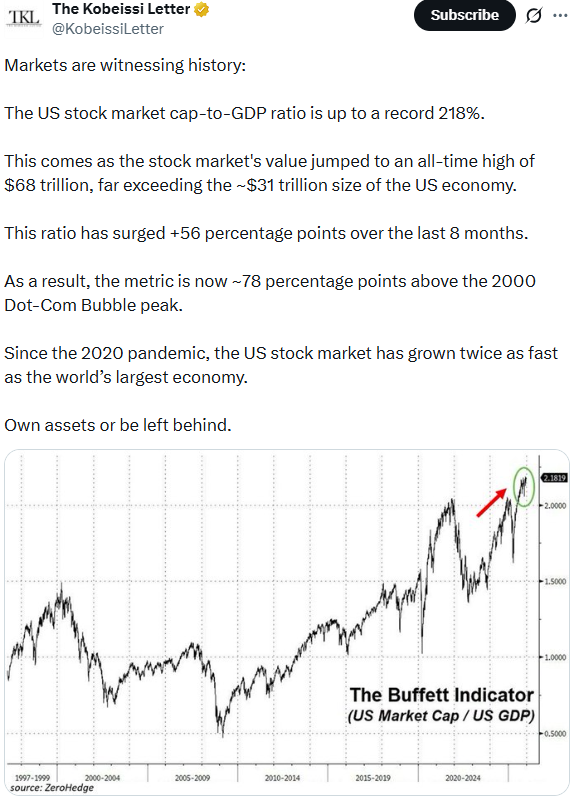
Tweet of the Day
More By This Author:
Electricity Prices Could Become A Structural Inflation Problem
The Market Risk In 2026 If Growth Projections Fail
The Consumption Conundrum


Comments
Log in or sign up to join the conversation.