


Image Source: Pexels
The employment cost index, which was updated this morning through Q3, typically gets much less attention than the monthly payrolls report. But in this circumstance, it is entitled to more notice, since the monthly data has only been posted through September as well.
Additionally, one important advantage of the Employment Cost Index is that it is adjusted for the type of job performed, while the monthly average statistics are not. Thus, for example, since many low-paid service workers were laid off during the COVID lockdowns, the latter metric was distorted by the job mix, whereas the former measure was not.
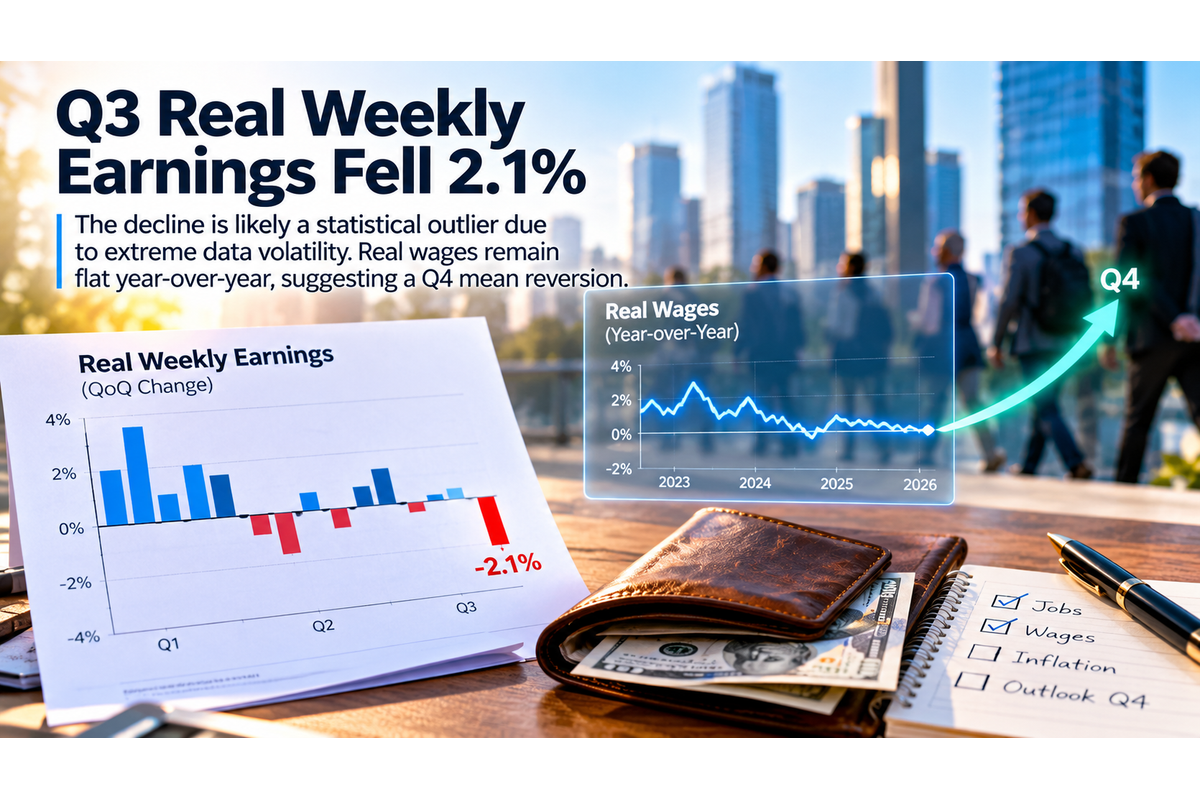
The news from this morning’s report was mixed. On the one hand, quarterly compensation increased just under 0.8%, whether measured by wages and salaries alone (blue) or by total compensation including benefits (red). On the other hand, the quarterly increase in wages was among the lowest in four years, and for total compensation it was the lowest (note: graph subtracts this quarter’s changes from both datapoints so that they norm to 0 for easier comparison):

On a YoY% basis, median wage compensation increased 3.6%, on par with the previous two quarters, while total compensation was the lowest since the pandemic, although higher than at any point between the Great Recession and the pandemic:

Although it is somewhat noisy, the employment cost index tends to move in tandem with, but inversely to, the unemployment rate:

There really is not any leading/lagging relationship here, and my reading of this graph is that both median compensation and the unemployment rate were relatively stable this year, though September, as the uptick in each is within the range of noise.
Finally, since the employment cost index measures wages and other compensation normalized by occupation, an interesting comparison is with the Atlanta Fed’s wage tracker, which measures wage increases between those who switch jobs (presumably for better pay and/or benefits) and job stayers (updated through August):

During most of the post-pandemic era, when the unemployment rate was especially low, employees could get substantially better wage increases by switching to a new job. This year has ended. Job switchers are doing no better than job stayers.
In sum, this morning’s data tells us that when it comes to wage growth, workers are still doing better than they were at any point during the last long expansion before the pandemic, but although the news was still positive, it was the least positive, relatively speaking, since then. This is especially true given the increase in inflation since early this year.
More By This Author:
October JOLTS Report: Red Flag Warning For Employment Sector In Worst Report Since The PandemicWhile Capital Spending Increased Sharply, Yet More Evidence Of Consumer Weakness
Real Income Rises, But Real Spending On Goods May Be Turning Down

Comments
Log in or sign up to join the conversation.