


Image Source: Pixabay
The last weekly jobless report continues the trend of an improved picture - as in, very few people are getting laid off - that has typified the second half of this year.
Initial jobless claims declined -16,000 to 199,000, the second best reading all year, and one of the very best in the entire last 50 years. The four week moving average increased 1,750 to 218,750, still close to the lowest readings this year. With the typical one week delay, continuing claims declined -47,000 to 1.866 million, among the best readings in the past six months. Here’s a link to the last four years of data. Link here.
The above view shows how post-pandemic seasonality has not been expunged from the seasonal adjustments. Claims have risen in the first half of the year, peaked in early summer, and then declined towards the end of the year. Such has been the case this year as well, although the trend has been more muted. Additionally, note that this was for Christmas week, which, like Thanksgiving week, is notoriously hard to seasonally adjust, so take this big weekly decline with extra caution. The four week average, while very good, is likely giving a truer picture.
As per usual, the YoY% changes are more important to my forecast. There, initial claims were lower by -4.8%, and the four week average down -1.6%. Continuing claims remained higher, by 2.1%. Link here.
Since mid-year, more weeks than not initial claims have been lower YoY, while continuing claims have been higher, but even that increase has faded since the beginning of November. Needless to say, this suggests the economy will continue to expand over the next several months.
Although I won’t bother with the graph this week, since jobless claims typically lead the unemployment rate, and one year ago the unemployment rate was 4.1%-4.2%, the improvement in claims over the last six weeks suggests that the unemployment rate is likely to decrease from its November high of 4.5%.
More By This Author:
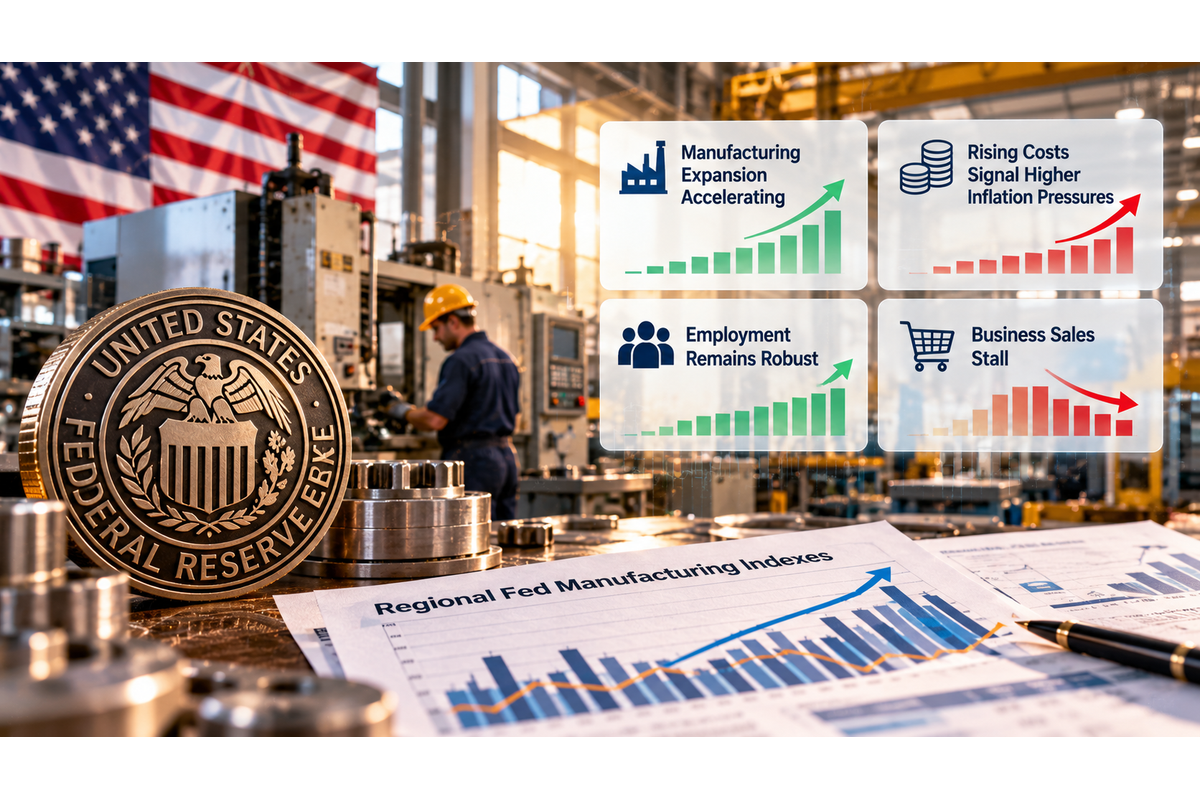
Regional Fed Manufacturing Indexes Suggest 2025 Trends Are Slowly AbatingHow The “Wealth Effect” Fueled Q3 GDP
The Low Pace Of Firings Continues To Christmas
Comments
Log in or sign up to join the conversation.