

Some gold bulls have bought in heavily to the argument that gold price suppression has been an ongoing activity for years, even decades. Supposedly, trading in the gold market is manipulated in ways that depress the market price for gold.
Assertions are made that the manipulation takes place in a shroud of secrecy; and the unexpected lower prices for gold, or prices that don't meet wildly bullish expectations, are cited as evidence of conspiratorial activity.
The claim is made that the price of gold would be much higher if this manipulative trading activity were exposed, acknowledged, and prohibited.
ALL MARKETS ARE MANIPULATED
I don't disagree that there are forces at work in the gold market that can be disruptive; and may even be described as manipulative. However, the same is true of all financial markets - stocks, bonds, commodities, etc.
In addition, gold and silver bulls are one-sided in their arguments against manipulation and its presumed effect on prices.
When prices don't meet expectations on the high side, or an 'unexpected' drop in price occurs, finger-pointing at shadow figures is heightened.
Long-side investors in all assets, including precious metals, benefited from the manipulative efforts of the Federal Reserve twelve years ago and again just recently.
The recent recovery in prices for stocks, bonds, oil, gold, and silver has been almost unbelievable. It is literally jaw-dropping, but nobody is complaining. Nobody cries foul when markets are manipulated for the purpose of driving prices higher.
Only a couple of years ago, JP Morgan Chase's accumulation of silver was assumed to be bullish for silver prices; and favorable comparisons were drawn between the bank's activities regarding silver and the Hunt brothers silver accumulation efforts in the late 1970s.
Both JP Morgan and the Hunt family are not "familiar fellows" when talking about purpose and motivation. Nevertheless, the expectation that the parties involved would help drive prices for silver higher than otherwise might have been expected, seemed to be enough to fan the flames of bullish sentiment in both cases.
ALL HAIL THE FED
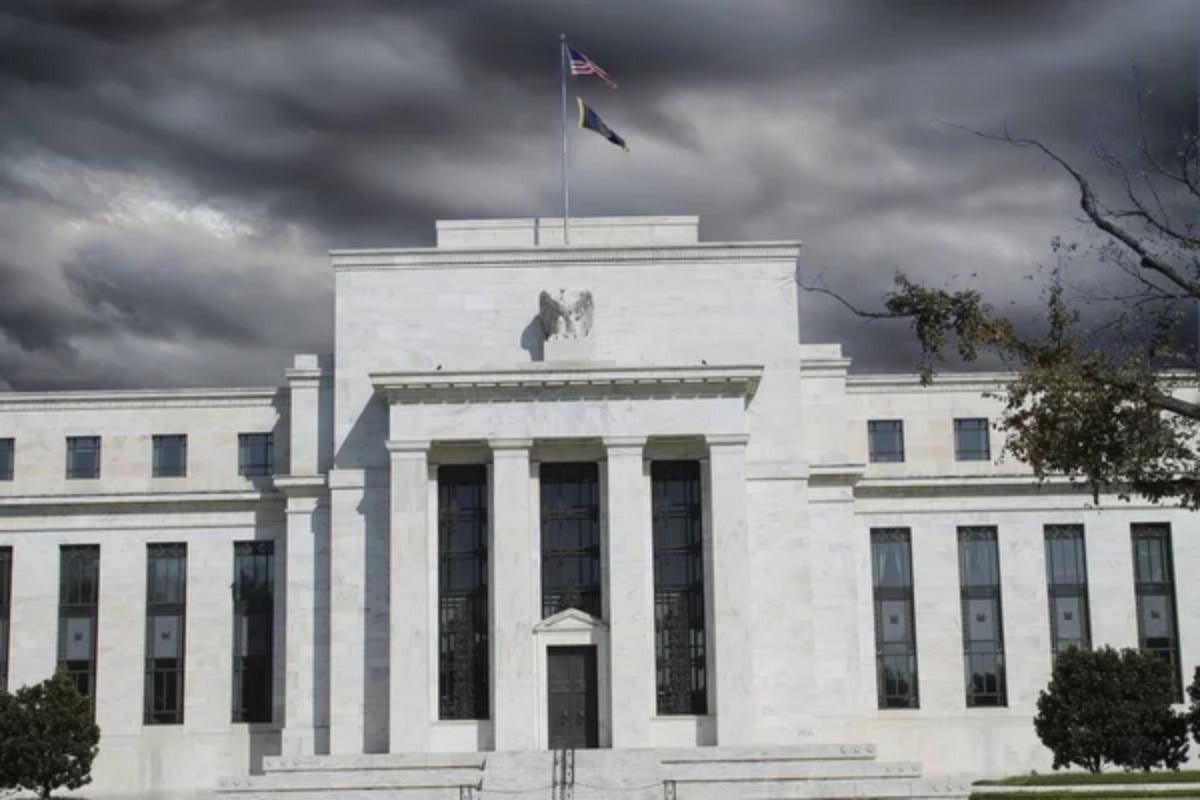
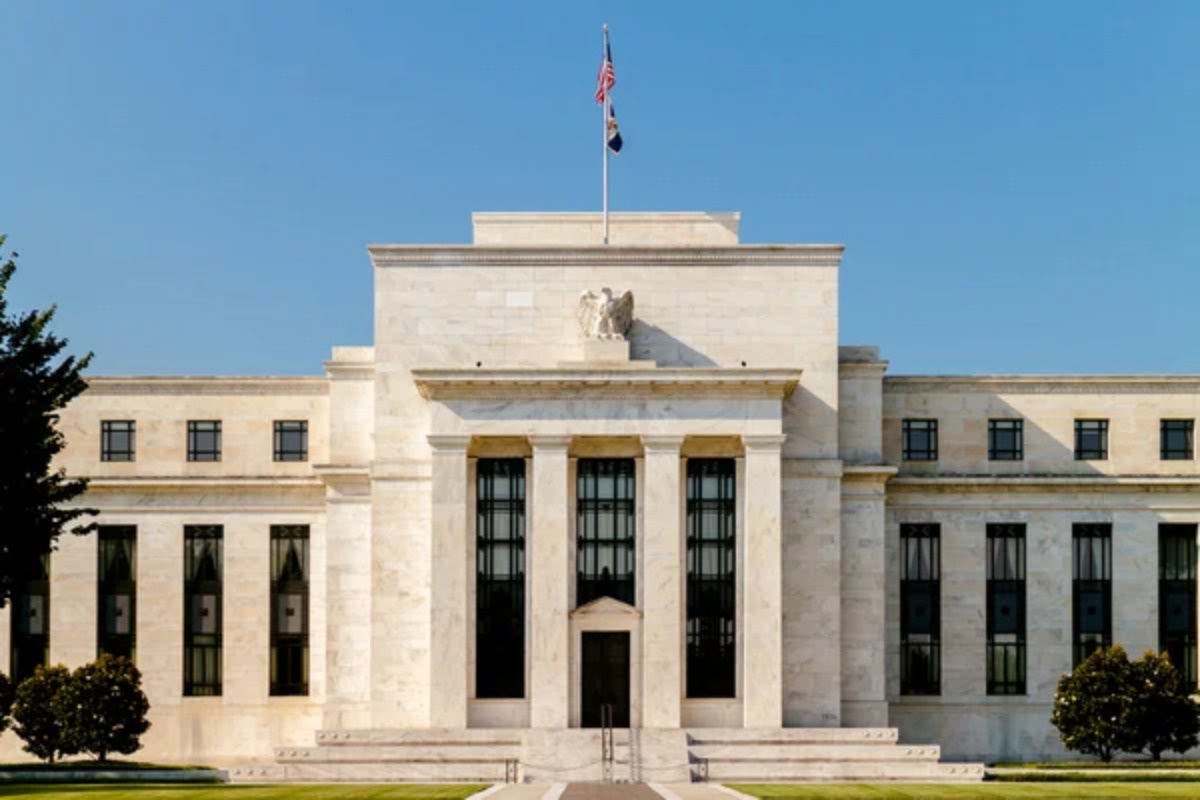
When prices of most assets dropped sharply in 2008, the Federal Reserve stepped in with both guns blazing and pledged incalculable amounts of money and credit creation. Their efforts led eventually to significant increases in previously beaten-down stocks and bonds. The benefits to gold were more immediate and more spectacular. Nobody complained.
At first, the Fed's actions were expected to cause a surge in the effects, (i.e., higher prices for most/all goods and services) of the inflation that had just been created. Some experts predicted "runaway" inflation.
The condition referred to as runaway inflation is a reflection of an accelerated drop in the purchasing power of the currency in use bordering on repudiation. In this case, negative sentiment for the US dollar increased and its weakness was reflected in higher prices for gold.
However, the expected huge increase in prices for most goods and services did not occur. With the realization that runaway inflation wasn't on the front burner and that US dollar weakness had run its course - at least temporarily so - the gold price fell.
Gold had already increased four-fold between 2001 and 2008 when the credit collapse threatened the integrity of our financial system. Prices of financial assets, including gold, fell sharply.
During a period of approximately six months from spring to fall in 2008, the price of gold declined by more than thirty percent. After that, it was off to the races again.
For the next three years, the price of gold climbed one hundred seventy percent, reaching $1895 per ounce in August 2011. All assets benefited from the Fed's hugely inflationary gift-giving propensity, but none more so than gold.
Then, after the realization that 2 plus 2 does not equal 10, the gold price declined to more reasonable levels. This decline occurred against the backdrop of a continually strengthening the US dollar.
Of course, after the gold price declined, claims about manipulation and price suppression began anew; and continue.
The recent year-long bounce in the gold price has again sparked dreams of wealth coming from expected higher gold prices. If someone accepts price suppression of gold as factual and evidential, then they must also recognize that no institution has done more to pave the road to higher gold prices than the Federal Reserve.
As far as price-conscious gold bulls are concerned, the benefactor and the villain are one and the same.
Comments
Log in or sign up to join the conversation.