

As the worst of the cold weather warnings have subsided, we’ve seen a pullback on the heating fuels but one of the things we must remember is that when we were at our coldest anddarkest hour, we had to call in the reserves.And the US oil and gas industry rose to the occasion. This Historic Winter Storm Fern caused U.S. oil producers to loseup to 2 million barrels per day or roughly 15% of national production over the weekend. Estimates of natural gas production losses after the storm differ by source.
Energy Aspects (via Reuters) forecasts about 86 billion cubic feet (Bcf) lost in the following two weeks, with Appalachia contributing around 35 Bcf. Rystad Energy projects a base loss of 3.3 Bcfd for the Lower 48, possibly rising by another 2.3 Bcfd in a worse scenario. Reports show peak daily losses at roughly 9% of U.S. production, with some estimates up to 20 Bcfd. Over the weekend, production dropped to about 97 Bcf/d before a slight recovery. While Daily production dipped to lows around 97 Bcf/d over the weekend, recovering slightly to 99 Bcf/d by Monday, compared to pre-storm levels nearer 110 Bcf/d in some forecasts.
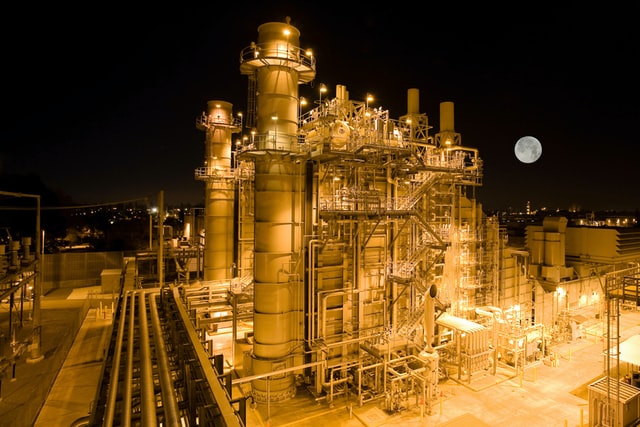
Photo by American Public Power Association on Unsplash
According to Naureen S. Malik of Bloomberg, PJM Interconnection—the largest U.S. grid operator, serving almost 20% of the country—has requested permission from the Energy Department to activate backup generators at data centers during the ongoing winter storm. PJM’s notice states that they are seeking approval to begin using these generators as early as Monday and continue through January 31. In a letter to Energy Secretary Chris Wright, Mike Bryson, PJM’s senior vice president of operations, explained that the operator, which oversees the 13-state eastern U.S. grid, would coordinate with transmission owners to deploy backup generation at data centers to prevent or lessen the impact of an Energy Emergency Alert 3 (EEA-3). EEA-3 is the most severe emergency level and typically results in rolling blackouts to prevent larger grid failures. PJM is making this request because the intense cold is expected to persist until at least February 1. Bryson noted that multiple days of peak demand exceeding 140 gigawatts, combined with worries about fuel supply, present a “significant risk of emergency conditions that could jeopardize electric reliability and public safety.”
This, of course, means we’ll be using more oil and coal and less natural gas. I don’t even want to talk about how wind and solar are performing during this cold blast, but they’re not making much of a difference at this point.
And while natural gas prices are correcting sharply, the key will be the weather. We have the February natural gas options expiring today, which means we could see some more explosive volatility, but we have to keep an eye on the temperatures. While we are seeing some of the worst winter warnings being lifted and some weather forecasters expect a warm-up, there is a possibility that we could get hit in the back end of February into March with below-normal temperatures once again.
Fox Weather is reporting that “As much of the Northeast digs out from the biggest snowstorm in half a decade, New York, Philadelphia, and Boston could all be on track to see another major system on its heels. Meanwhile, life-threatening temperatures are now the focus of states across the Northeast as a large dip in the jet stream parks over the eastern US, ushering in days of Arctic temperatures associated with the polar vortex. The Arctic air will refreeze existing ice and snow, which means the impressive snow totals from this weekend will likely not melt this week and freezing temperatures will likely remain through the end of the month. Unlike the sprawling cross-country nature of the historic storm this past weekend, this next threat would be a coastal system. The FOX Forecast Center is closely monitoring an evolving weather pattern around the Northern Hemisphere that could open the door for a potential nor’easter this upcoming weekend.
Thecurrent situation could significantly alter natural gas storage levels as winter comes to a close. The recent cold snap not only disrupted daily life but also caused a substantial reduction in U.S. natural gas production, with effects reaching as far as Europe.
European natural gas prices are rising, and with American LNG exports temporarily slowed by severe weather, European inventories—which were already below average due to ongoing cold—may remain strained for some time.
Meanwhile, oil markets are experiencing mixed influences: while international tensions provide upward pressure on prices, increased output from Venezuela and steady production from the U.S. are balancing the market, though there are signs that U.S. oil production growth may be slowing. Looking ahead, these factors suggest that natural gas prices could stabilize or increase as we approach summer, and the energy market is likely to remain dynamic in the near future.
And of course the our market is going to await to see how president trump is going to react to the slaughter of innocent people in Iran.The Wall Street Journal reports that Iran shut off the internet and blocked communications, trying to keep the world in the dark about the deadly wave of violence it used to crush antigovernment protests. Now as rights groups investigate, they say they are uncovering evidence that the death toll is far higher than they originally thought, with some projecting it will top 10,000. Initial estimates of the toll from the crackdown had put the number of deaths at a few thousand, a tally that made it the regime’s deadliest assault on dissenters in decades. As human rights activists have reviewed witness accounts, field investigations, hospital records, videos and photos, they say the reality appears to be far worse.
Even at the lower end of estimates the crackdown would rank as one of the most violent deployments of state power against protesters, rights groups say, exceeding the toll of China’s 1989 move to clear Tiananmen Square of demonstrators. “There is no doubt that the Islamic Republic has committed one of the largest mass killings of protesters of our time,” said Mahmood Amiry-Moghaddam, the head of the Oslo-based Iran Human Rights.
In Responsethe aircraft carrier USS Abraham Lincoln and its accompanying warships have entered the Middle East, U.S. officials said, giving President Trump additional offensive and defensive capabilities should he choose to move forward with an attack on Iran. Though Trump has indicated that he is still deciding on military action, the ships’ arrival comes amid a significant buildup of combat power in the region. Last year, the Pentagon moved hardware out of the Middle East as the administration focused on Venezuela, but military assets—including the carrier strike group, several air-defense systems and squadrons of jet fighters—are streaming back in.“We have a big force going toward Iran. I’d rather not see anything happen, but we’re watching them very closely,” Trump said Thursday.Trump pulled back from attacking Iran earlier this month, but he hasn’t taken strikes against the regime off the table after Tehran massacred protesters, according to U.S. officials. The dead are still being counted.
Trump called for new leadership in Iran last week after Supreme Leader Ayatollah Ali Khamenei blamed Trump’s rhetoric for the casualties on social media. In an interview with Politico, Trump called Khamenei a “sick man” who has destroyed the country.The president has sought “decisive” options for striking Iran, amid fears that any bombing campaign could set off a wider conflict across the Middle East, The Wall Street Journal reported. Iran has pledged to retaliate if attacked.
It’s these type of situations in the market that we believe that you need to be hedged for during this cold blast we hope that you stay warm make sure you download the fox weather app to keep up with the latest on this historic storm and stay tuned to the Fox Business Network because they’re the only network in America that is truly invested in you.
More By This Author:
Winter Storm Fern Has Ultilties Fighting Mother Nature - The Energy Report
A Manic Metals Friday - Manic Metals Report
The Global Engine Of Stability And Growth - The Energy Report

Comments
Log in or sign up to join the conversation.