


Image Source: Pixabay
Yesterday’s Commentary discussed the potential impact of regime change in Venezuela on the energy sector. Today, we extend the analysis and examine other reasons for the invasion. The following theories are based on a Substack commentary from Tracy Shucart, an economist and resources trader.
For starters, Tracy makes it clear that oil is not the strategic driver of the invasion. To wit:
“If oil were the motive, the article argues, action would have occurred during the 2019 Guaidó crisis, not 2026.”
Critical Minerals & China: Tracy’s primary argument is that the actions align with the rise of critical minerals as a top national security priority. China accounts for at least two-thirds of the global processing of critical minerals and over 90% of rare-earth refining. Venezuela offers a means to reduce our reliance on China for mining and processing. The graphic below illustrates Venezuela’s wealth in key natural resources. The Orinoco Mining Arc (B- yellow), for instance, contains coltan (tantalum), rare earths, cassiterite (tin), bauxite, and lithium.
Iran: The Iranian Revolutionary Guard and Hezbollah have a known presence in Venezuela. Moreover, Iran is said to have a drone production facility in Venezuela, capable of producing drones that can reach the United States. She states:
An Israeli research center warned that “IRGC operatives stationed in Venezuela can target US assets or navy ships in the Caribbean or directly attack American soil.”
Russia: Like Iran, Russia also has a military presence in Venezuela. Russian Colonel General Oleg Makarevich is purportedly leading the “Equator Task Force” in Venezuela. It is believed there are at least 120 Russian troops under his command. Tracy states that Russian and Chinese systems can cause a “contested electromagnetic spectrum” in the Caribbean. Importantly, Venezuela is the only location where China, Russia, and Iran operate simultaneously and in mutually beneficial ways.
Essentially, she argues the primary goal of the invasion was enhance our control of critical mineral supply channels while eliminating the Iranian and Russian military presence near the US border. We recommend reading her entire article, linked above, for her complete analysis.

Michael Lebowitz, CFA
What To Watch Today
Earnings
(Click on image to enlarge)

Economy
(Click on image to enlarge)

Market Trading Update
Yesterday, we discussed the rather exuberant earnings forecast as we head into 2026. Speaking of heading into 2026, valuation is now a crucial driver of future returns. High-multiple stocks, which thrived under low-rate conditions, face headwinds in a higher-rate environment. As noted yesterday, earnings growth continues to support certain sectors, such as energy and financials, while technology companies remain profitable. However, valuations remain a concern, suggesting that investors focus on companies with stable earnings, strong cash flows, and reasonable valuations. Out-of-favor sectors, such as utilities, consumer staples, healthcare, and financials, offer better risk-adjusted returns and provide resilience to dividends and earnings in slower economic growth conditions.
(Click on image to enlarge)
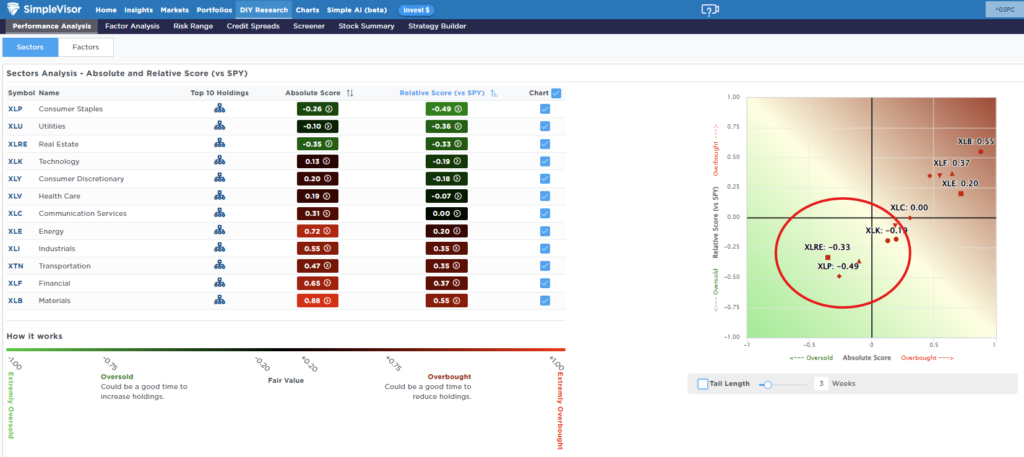
Fixed income has returned as a viable source of real income, with both short and intermediate-term bonds now yielding more than inflation. This shift gives income-focused investors an alternative to equities, provides stability in a potentially more volatile environment. It also changes the structure of balanced portfolios, where fixed income can again play a central role. Furthermore, a substantial tailwind for bonds remains the historically high short positions that have accumulated over the last few years. If the economy slows or an exogenous credit-related event occurs, the reversal in yields could be very sharp as short positions are forced to cover.

Geopolitical risk remains elevated, as evidenced by recent events in Venezuela, which can induce market volatility, particularly in the energy sector. Supply chain challenges persist, particularly with unresolved geopolitical flashpoints, and China’s economic slowdown and Europe’s energy volatility create more uncertainty. Global central banks have paused rate cuts after a fairly aggressive regime, which may put pressure on high-risk assets and emerging markets. While these regions offer growth opportunities, they also carry currency and political risks that investors should carefully weigh.
In portfolio construction, diversification remains a vital strategy, as correlations between asset classes tend to rise during stress events, thereby reducing the effectiveness of traditional diversification. As such, investors should consider broader hedging strategies and incorporate tactical shifts in their cash management. As noted, fixed income now offers real returns, allowing for a more balanced income stream. Reassessing a laddered bond portfolio can provide predictable income while reducing reinvestment risk.
The key for 2026 is discipline. High valuations, high rates, and geopolitical instability are the reality. Investors need to prioritize data over emotion. Rebalancing, proper risk management, and a focus on income and value will define successful outcomes. The speculative gains of prior years may be behind us, or perhaps not, but in the end, the market consistently rewards patience and evidence-based decision-making over speculation.
Fiscal Stimulus Should Bolster The Economy In 2026
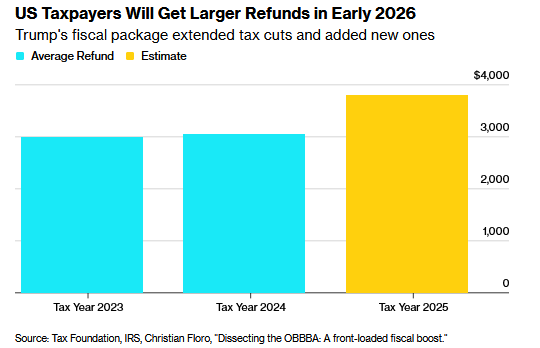
The economic environment was volatile in 2025 due to numerous policy changes and the introduction of tariffs. This year will likely be calmer on the policy front. Moreover, most economists expect the US economy to receive a fiscal boost in 2026. The tax provisions in the Big Beautiful Bill should, in practice, result in larger-than-normal refunds this year. Per Treasury Secretary Scott Bessent via FoxBusiness:
I can see that we’re gonna have a gigantic refund year in the first quarter because working Americans did not change their withholdings,” Bessent told the “All-In Podcast” hosts. “I think households could see, depending on the number of workers, $1,000- $2,000 refunds.”
Larger expected tax refunds, as shown below courtesy of Bloomberg, should support consumer spending in the first half of the year. At the same time, incentives for business investment should provide some economic support throughout the year. Of course, while there are reasons to be optimistic, there are still concerns that the labor market continues to deteriorate, which could offset the benefits of the increase in tax refunds and massive AI-related capital expenditure expansion. Economist David Rosenberg shares his concerns in our Tweet of the Day below.
Tax-Efficient Investment Strategies
Growing wealth is only part of the story. Keeping it, especially after taxes, is where strategy makes the biggest difference. For high-net-worth investors, tax drag can be a persistent leak in performance, especially when taxable income and capital gains stack up inside the wrong accounts.
Tax-efficient investing strategies are essential if you want your investment returns to translate into real, retained wealth. Whether you’re managing retirement accounts, brokerage accounts, or complex family assets, structuring your investments with taxes in mind is a powerful way to improve long-term outcomes. At RIA Advisors, we integrate tax efficiency into every client portfolio, not as a side note, but as a core planning principle.
Key Takeaways:
- Tax-efficient investing reduces unnecessary tax burden and helps preserve more of your net returns.
- Proper asset location across taxable accounts and tax-deferred accounts is essential.
- Tax-loss harvesting can offset capital gains and reduce overall federal income tax liability.
- RIA Advisors develops personalized investment strategies to help clients minimize taxes and retain more wealth over time.
Tweet of the Day

More By This Author:
Precious Metals Aren’t Predicting Economic CollapseTesla EV Deliveries Continue To Lag Global Rivals
Market Outlook For 2026


Comments
Log in or sign up to join the conversation.