

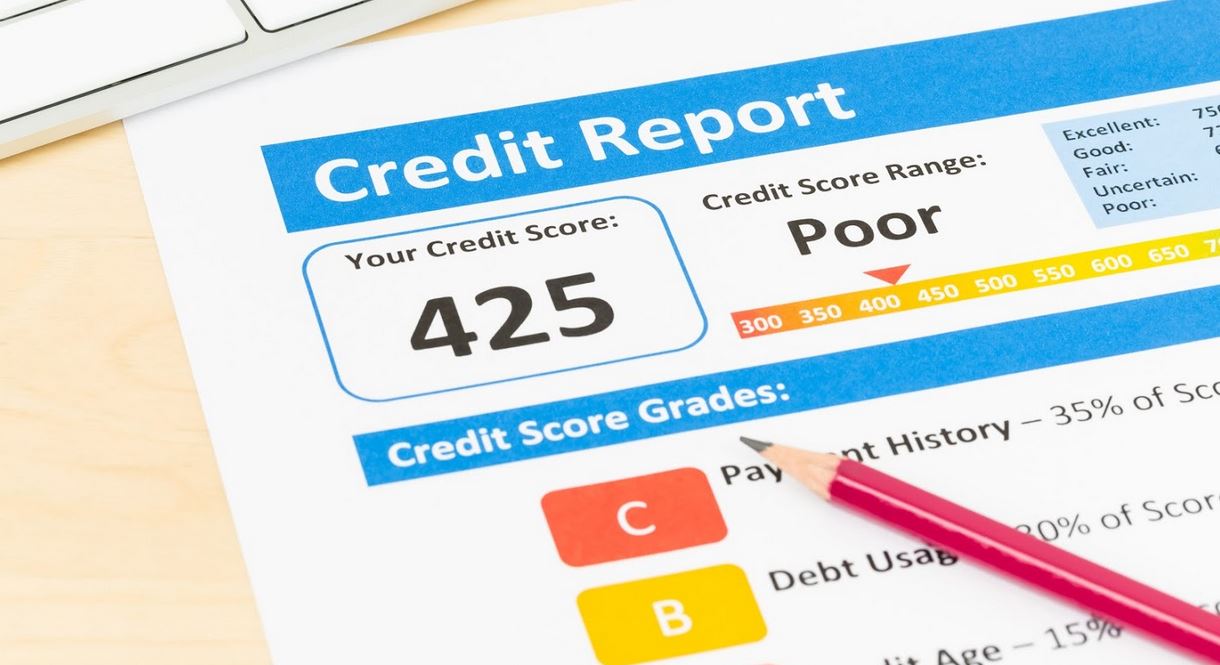
Potential lenders will know whether your financial track record in borrowing money is good or bad, based on your credit score. If you have a poor credit rating, loan companies may be less inclined to lend money to you. It holds whether you’re looking for a student loan, a credit card, a personal loan, a car loan, or a home loan.
The good news is that some lenders that specialize in catering borrowers with bad credit history exist. That means you can still qualify for a loan even if you’ve been turned down by a mainstream lender. The most important thing is that you can show you’re earning a good income and can afford the loan. You should also prove you’ve overcome your previous challenges with debt. The loans that these particular lenders offer are known as bad credit loans.
What Are Bad Credit Loans?
If you’re one of those people with little to no credit history, or who have a less than a spotless credit report, bad credit loans are designed for you. Compared to other loans, these loans typically have greater restrictions and higher interest rates. They help loan companies reduce the risk of not receiving repayments from you. However, if managed responsibly, bad credit loans can be useful.
Bad credit loans are an excellent option for people who need to borrow money but aren’t yet eligible for a loan offered by mainstream lenders. If you’re in the same situation, read on to find out more. This guide takes an in-depth look at loans for bad credit.
Why Take Out A Bad Credit Loan?
You might be considering a loan for bad credit due to the following reasons:
-
You’ve got a limited choice – With a poor credit rating, the more mainstream lenders like banks sometimes won’t consider your application.
-
You’re consolidating a debt – It can be a hassle to take care of multiple financial commitments. If you want to combine your debts into a single payment instead of paying multiple lenders, a bad credit loan can help.
-
You’re repairing or building your credit score – You could improve your credit score through a bad credit loan if it’s managed responsibly.
How to Get A Bad Credit Loan?
Firstly, you must compare loans with different lenders, to find which fits your needs and financial ability. Then, work out just how much you can afford to repay comfortably each month. Visit the loan company’s store or website and check for the requirements. It would help to check your eligibility and understand your chances of approval before you apply. Since a hard search will be recorded on your report for each application, try to only apply for ones that you’re expected to apply. This will help you avoid any further lowering of your rating.
Types of Bad Credit Loans
-
Homeowner Loans – In this type of bad credit loan, your home will be used to guarantee your payments. That’s why homeowner loans often enable you to borrow much larger sums of money. Note that if you fail to pay the loan back, your lender can repossess your home. The repayment period for homeowner loans can be up to 25 years. The interest rates are normally variable.
-
Personal Loans – It’s the most common type of bad credit loan. The repayment period for personal loans can up to seven years. With this type of loan, you know exactly how much you’ll repay since interest rates are normally fixed.
-
Guarantor Loans – Although guarantor loans and personal loans work in the same way, the former involves an agreement with a third party or a guarantor. The third party can be a family member or friend. The guarantor will be held responsible if you fail to repay the loan. They’ll have to pay your borrowed money back. Since guarantors ensure the loan is repaid, a guarantor loan may be the only way for you to borrow money if you have bad credit.
Bad Credit Loan: What Are Its Advantages and Disadvantages?
The main advantage of bad credit loans is that they still let you borrow money despite your low credit rating. In some circumstances, a bad credit loan may also help in improving your credit rating, as long as you keep up with your repayments. When other lenders won’t, bad credit lenders will offer a helping hand.
It’s also a good thing that bad credit lenders may send a representative to sit down with you during the application process. The aim is to carry out an affordability assessment. It will work out what you can afford to borrow. They’ll help you make sure that you can manage the repayments each month throughout the course of a bad credit loan.
Now, for the disadvantages, it’s mainly on the interest rates. As already mentioned, interest rates on bad credit loans are usually higher when compared to other forms of lending. It’s understandable since there’s a higher risk in lending money to someone with a poor credit score. The risk is typically reflected in the interest rate.
It’s essential to note that failing to keep up with your monthly repayments can affect your credit rating. That’s why, you must appropriately manage your finances to avoid getting in a worse situation when taking out a bad credit loan. Only apply for the loan you’re ascertained you can afford. Make sure you can pay it off over the set repayment period. To understand the projected weekly or monthly repayments, use a loan calculator from your prospective lender. Consider factors like the number of weeks or months you choose to repay and the amount you want to borrow.
Summary and Final Thought
Bad credit loans are an option for borrowers whose credit report reflects some financial missteps. People who haven’t had enough time to build a credit history can also benefit from these types of loans.They can be secured or unsecured. The secured ones are backed by collateral like a car or home. Terms, fees, and interest rates for bad credit loans vary by lender.
When taking out a bad credit loan, it’s worth considering the total amount you must pay off with the repayment length schedule you’re looking for. Remember that repaying the loan over a longer term means you’re likely to have higher interest. On the other hand, when you opt to repay it over a shorter period, a greater weekly or monthly repayment will be set. Always think about what’s the best option for you.


Comments
Log in or sign up to join the conversation.