


When markets get volatile, the urge to “do something” can feel overwhelming. But what if that instinct, the desire for immediate relief, is actually working against your long-term outcomes?
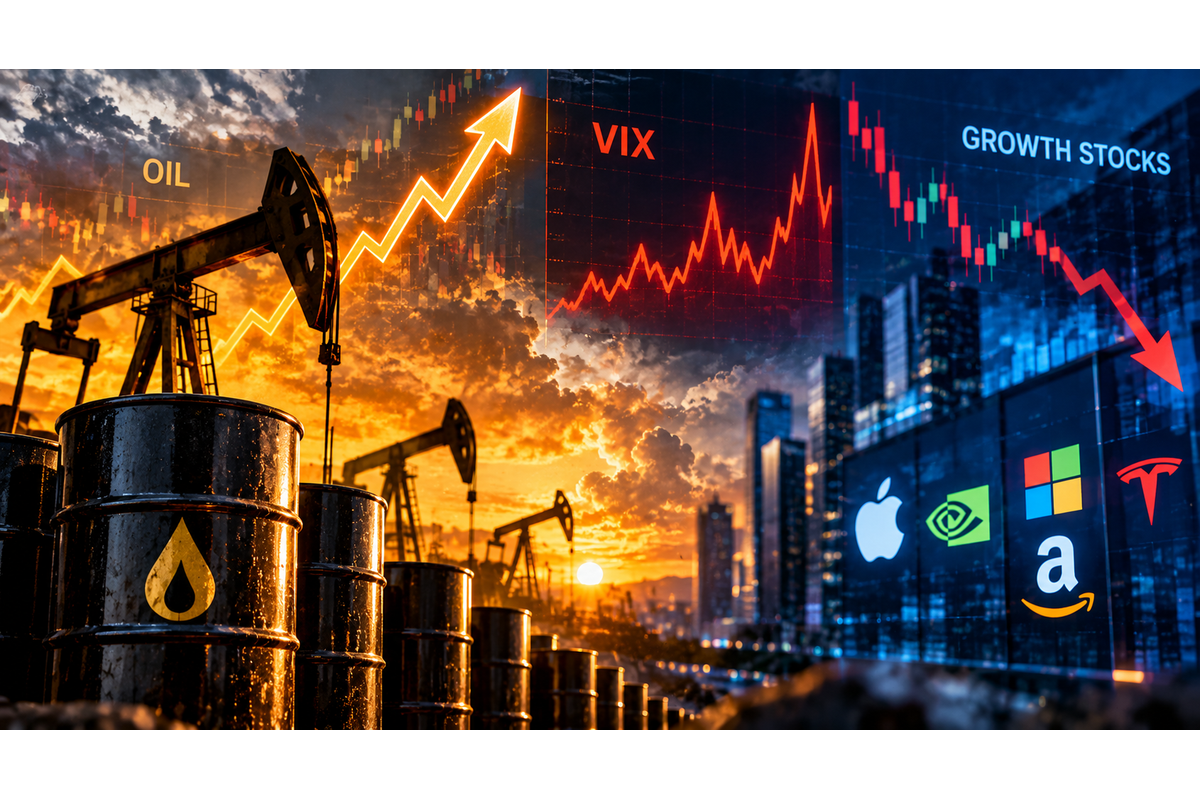
In this video, we tackle one of the toughest challenges investors face: how to handle a normal correction that might evolve into something much bigger, without overreacting, freezing, or making decisions you’ll regret later.
We walk through the psychological battle between short-term comfort and long-term discipline, including why:
The “relief” from big, sudden portfolio changes is often temporary.
Anxiety doesn’t disappear after a decision; it simply shifts (to second-guessing and FOMO).
Most investors are unprepared for both paths: a routine pullback and a deeper drawdown (20% to 50%+).
Using historical context and objective evidence, we explore how markets have behaved across a wide range of environments, including inflation scares, commodity surges, and countertrend corrections within longer-term trends.
Most importantly, we focus on a more balanced approach:
How to think in probabilities instead of predictions
How to build a plan that can handle multiple outcomes simultaneously
Why incremental, evidence-based adjustments can help reduce emotional decision-making
How to stay aligned with your process when headlines and volatility test your conviction
It’s about being prepared, mentally and strategically, no matter what comes next.
If you’ve ever felt the tension between “stop the pain now” and “optimize the outcome over time,” this video is for you.
Video Length: 00:40:29


Comments
Log in or sign up to join the conversation.