

Germany's most prominent leading indicator, the Ifo index, improved once again, suggesting that the cyclical rebound on the back of fiscal stimulus is set to continue.
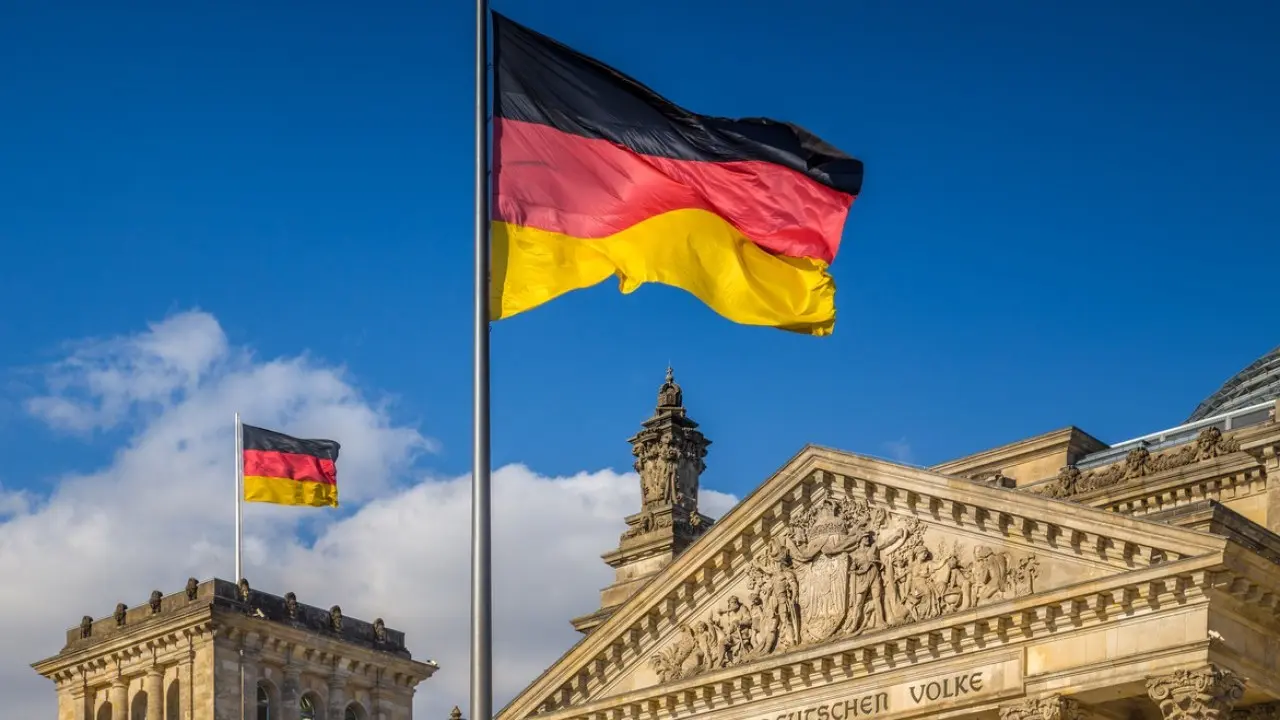
Germany's Ifo index is now at its highest level in more than three years.
And on it goes. German economic confidence currently only knows one direction: up. The country’s leading indicator, the Ifo index, has increased for the seventh consecutive month. In November, the Ifo index stood at 90.6, up from 90.2 in October, and is now at its highest level in more than three years. Both the current assessment and the expectations component have improved. The latest drop in energy prices and interest rates (and possibly also the impressive performance of the national football team) appear to be fuelling almost unbreakable confidence.
The cyclical rebound continues
Things have grown a bit quieter on the economic front in Germany. After years of collective depressions, the delight at this surprise resilience has been a welcome change. However, the German economy now seems to have entered a new period of paralysing calm: not going badly enough to trigger a new outcry but also not going well enough to justify outright enthusiasm. The anti-Goldilocks. Not too hot, not too cold, but still not right.
The economy is on track for its best growth year since 2022. Fiscal stimulus and the fact that other regions were hit harder by the closure of the Strait of Hormuz have been the drivers of German resilience. Fiscal stimulus, however, remains a controversial issue. In the first nine months of the year, only around 50% of the planned investments from the special purpose vehicle for infrastructure had been spent. To some, this may be a clear illustration of the inefficiency of German bureaucracy or the result of creative accounting and repurposing of expenditures to other areas. To others, it's simply an illustration of the lag with which fiscal stimulus has reached the economy. The former would be cause for severe concern; the latter a reason for hope, as the impact of fiscal stimulus would gain momentum over the coming months. Most likely, as is so often the case, the truth is somewhere in the middle.
All of this means that the cyclical rebound of the German economy is set to continue. But we won’t get tired of repeating it: a cyclical rebound is not yet a sustainable recovery. Nor will it automatically become one. We expect GDP growth to come in at some 1.3% this year and another 1-1.5% next year on the back of continued fiscal stimulus.
Political uncertainty remains biggest risk for growth outlook
The biggest unknown for the German outlook, particularly the longer-term outlook, remains whether the government is still willing and able to implement the already announced structural reforms. The promising announcement of a pension reform package at the start of the summer has still not been implemented, and reforms that go beyond preparing public finances for the challenges of an ageing society aren't yet in sight. As disruptive as the announced reforms might feel to some, they do very little to improve the country’s economic competitiveness. To structurally improve Germany’s international competitiveness, the government would have to be much bolder. Think of a substantial reduction of bureaucracy, regulation and taxes. Or a long-term strategy for affordable energy, better education and more innovation. And much more.
All in all, today's Ifo index provides both hope and a warning. Hope that the cyclical rebound looks set to continue – and a warning that this rebound should definitely not lead to any reform complacency.

Comments
Log in or sign up to join the conversation.