


Absent the Iran conflict, U.S. inflation would likely be lower and probably trending down for some measures of pricing pressure. The problem, of course, is that the odds still appear low for a quick end to the crisis, although there’s renewed hope that the hostilities may be entering a less-volatile phase. If the war is transitioning toward a lower-intensity stage, that could help tame inflation in the months ahead, which could limit the number of Federal Reserve’s interest-rate hikes.
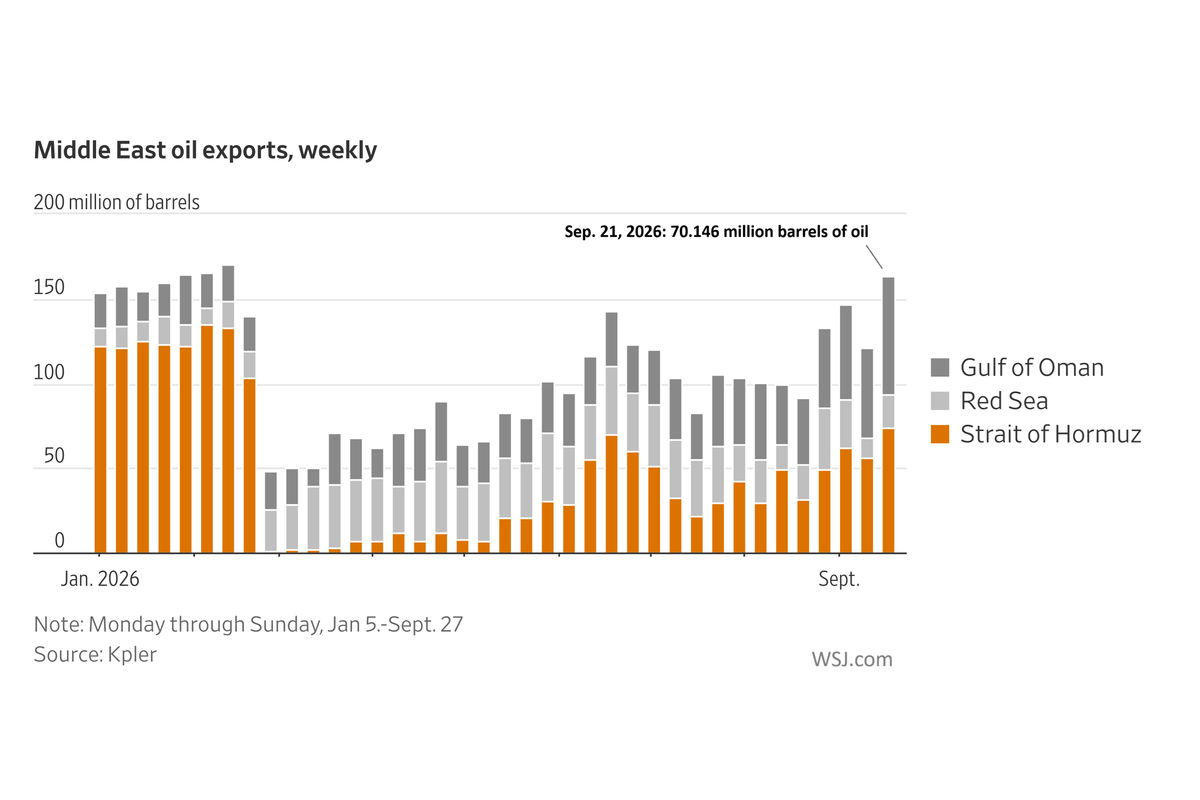
Many analysts agree that the source of headline inflation’s rise in recent months is directly related to the U.S.-Iran confrontation, and so de-escalation is expected to cool energy prices to some degree in the near term, primarily through a shift in market expectations. Raising oil and gas exports from the Middle East, even if a durable peace emerged tomorrow, will take time, but market pricing would quickly reflect news of a winding down of U.S.-Iran hostilities.
Such a change is still not imminent, but there are new hints that the conflict may be shifting into a new round of negotiated stalemate, which would help calm energy markets. President Trump hinted at the possibility on Wednesday, albeit on a time frame that points to progress later in the year.
“I believe we’ll make a deal right after the election, because [Iran] doesn’t make sense for them not to,” Trump said on Tuesday. “They’re waiting to see how I do in the midterm election.”
Meanwhile, Iran is reportedly considering a new push for a diplomatic off-ramp and offering to reopen the Strait of Hormuz in exchange for an end to U.S. military pressure, economic warfare, and the blockade.
Whether any of this leads to progress is unclear. Given the run of false starts in recent months, there’s good reason to remain skeptical. But at some point the war will end, or at least move into a less-threatening phase. When that transition arrives, the change could bring a new disinflationary pulse.
The main challenge is that the longer de-escalation is postponed, the higher the odds that the temporary effects of the Iran-induced energy shock turn into longer-lasting inflation pressure. This calculus appears to have persuaded the Federal Reserve to raise its target rate last week as a pre-emptive move to reposition monetary policy for pricing pressure that runs higher for longer.
One of the optimists who sees the possibility of a more favorable path is Rick Rieder, BlackRock’s chief investment officer of global fixed income and head of the global allocation investment team. He told Morningstar this week that “We have some optimism that inflation will come down over the next few months.” Part of his reasoning:
“Productivity is exploding higher in terms of how companies use logistics, inventory management, and customer procurement. I’m quite convinced inflation is peaking and will be coming lower over the next couple of years. Timing is tricky, but it will allow the Fed to stop hiking and ultimately start cutting rates in the next year or so.”
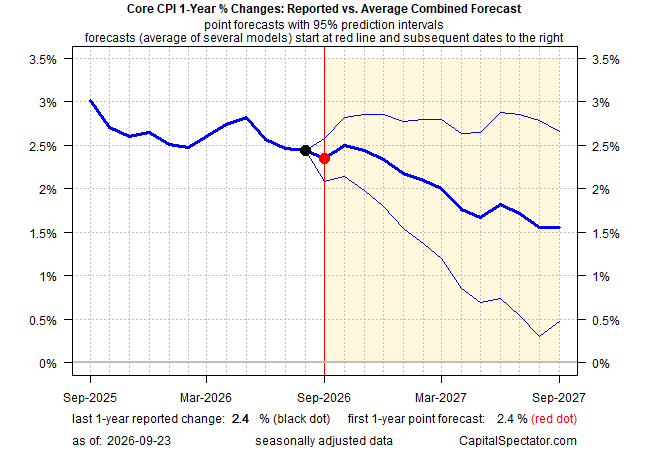
The Capital Spectator’s econometric model of the core measure of the Consumer Price Index (CPI) forecasts a softer trend in the months ahead, although keep in mind that the analytics are purely quantitative and don’t factor in geopolitical risk.
A reason for staying cautious: the Cleveland Fed’s nowcasts for year-over-year changes in core readings of CPI and the price index for personal consumption expenditures (PCE), the Fed’s preferred measure, also point to inflation remaining elevated in the near term.
Complicating the near-term outlook for a disinflation narrative is the price of diesel fuel, which continues to rise to record levels. Diesel is a key inflation gauge because higher transportation costs often flow through to consumer prices. Government data show that diesel rose for a third straight week through Sept. 21, setting yet another high.
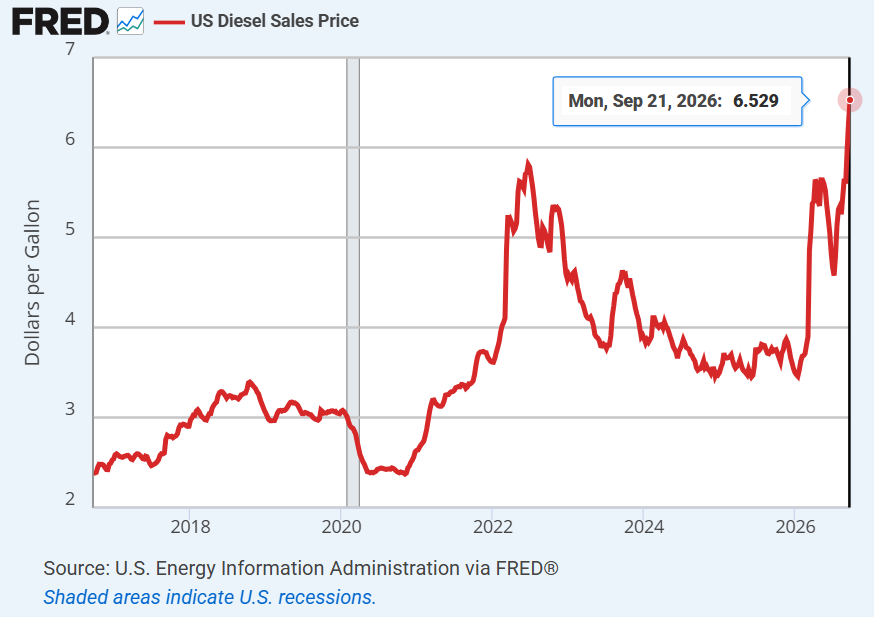
Recognizing the challenge, Trump on Tuesday floated the idea of banning exports of diesel. “I’ve said let’s not send out the diesel. We make a lot of diesel. It could have a little bit of an effect on regular automobile gasoline because when you do that, you know, it’s a sort of a flow. It’s a balance.”
It’s debatable whether such a ban would work or possibly make the situation worse. Interior Secretary Doug Burgum told CNBC earlier this month that an export ban may not lower prices and could hurt Americans in areas dependent on imports.
What is clear is that as long as there’s no progress in cooling the Iran conflict, the energy shock from the Middle East will continue to generate inflation pressure. Relief is coming, but the timing and degree remain as uncertain as ever.
Comments
Log in or sign up to join the conversation.