

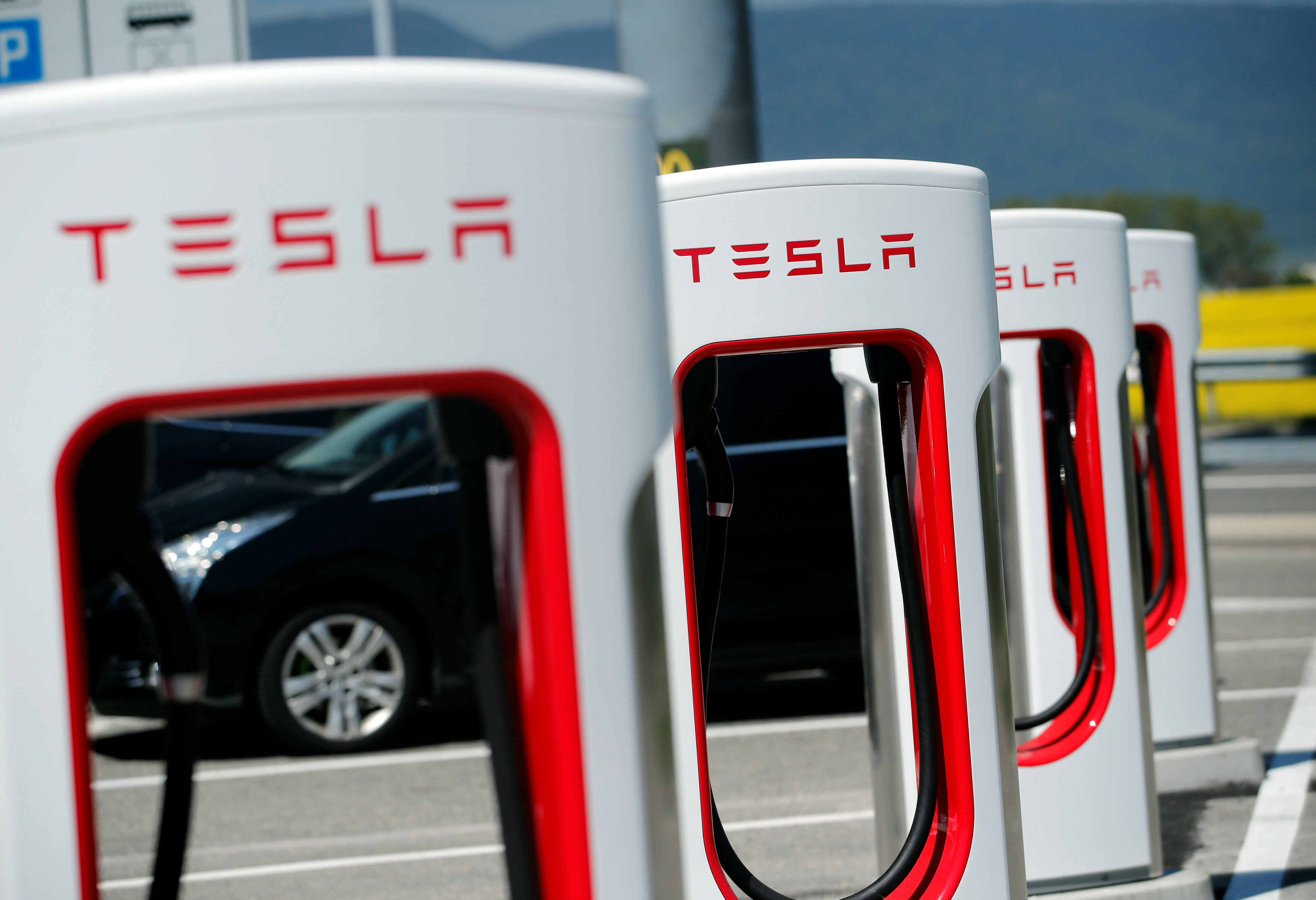
Rarely in finance and economics do we get the chance to do controlled experiments. It is not possible to stop the markets in order to make a controlled change. But Elon Musk has granted us the closest possibility. By unexpectedly announcing that Tesla‘s (TSLA) stock was going to be split 5-to-1, he gave us a unique opportunity.
The Opportunity In Tesla Stock Split
The reason the opportunity is so unique is that stock splits have no fundamental value whatsoever. Splitting a stock is like stating the price of a good in dollars instead of Japanese yen. Yes, the number of dollars is less than the number of yen, but the real cost of buying the good remains unchanged. It is the same with a stock split. The number of shares increases by a factor of five, but the underlying company does not change a lick. From the point of view of fundamentals, the stock price should drop by a factor of five when the actual split occurs exactly offsetting the increase in the number of shares. This means that if the market is responding to fundamentals, an announcement of a split should have no effect on the stock price. But once again Tesla is an exception.
As I write this, Tesla’s stock price is up $118.00, or 8.6%. Some commentators have argued that the jump is due to the fact that the split will allow more small investors to buy Tesla stock. Others have said it is a vote of confidence in the company. Neither of these explanations speak to fundamentals. Mr. Musk did not release any new information about the company or its products. And in a market as developed as the current one it is easy for small investors to buy or sell just a few shares or even fractional shares. In addition, such small investors are a drop in the bucket compared to large institutional investors.
Read more about this here: The Tesla Stock Split Experiment


Comments
Log in or sign up to join the conversation.