

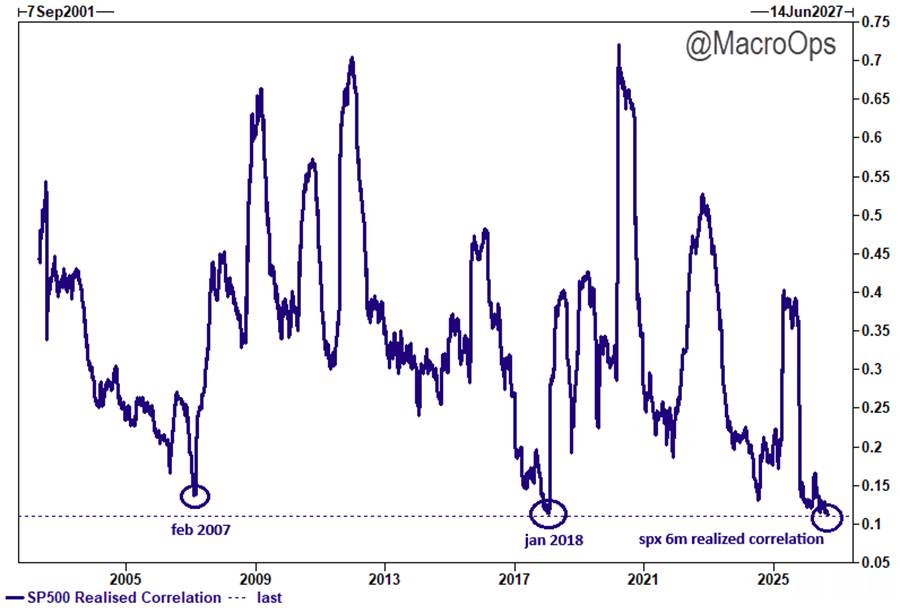
Summary: The weight of the evidence still says the pain trade remains higher. But we’re still in in a period of weak seasonality and have some big data prints this week which could move things, in one direction or another. Breadth continues to weaken and SPX 6-month realized correlation is at a level hit only twice in the last 25 years. Implied and realized vol is low across all major macro assets, which makes this a good spot to add some long vol / optionality to the book.
OpenAI’s latest Astra release is a significant event and likely swings the AI narrative pendulum back in favor of the bulls. That’s coinciding with constructive takes in the KOSPI and memory space, plus more…
MO Portfolio & Trades
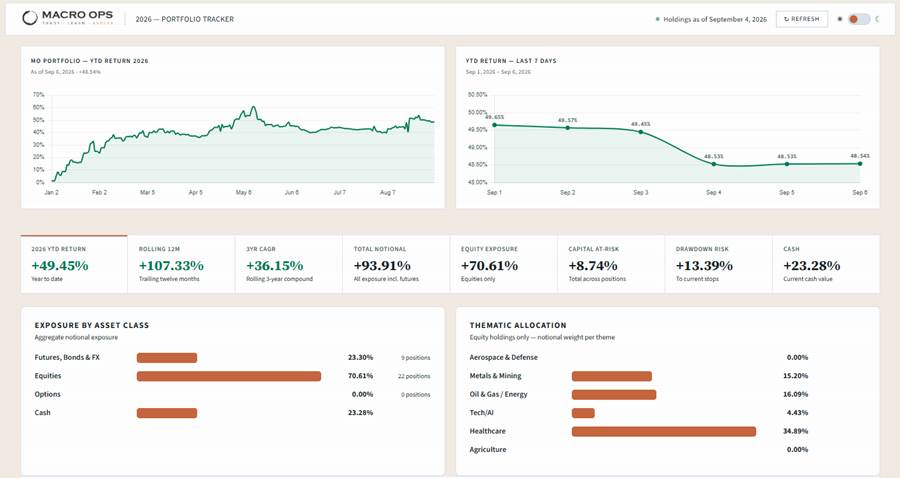
1. The portfolio fell -97 basis points last week, leaving us +49.45% on the year, below our ytd high-water mark of +61%. We’re long Ags, PM miners, a little ETH. Long biotech, healthcare, crypto miners, and natty producers.
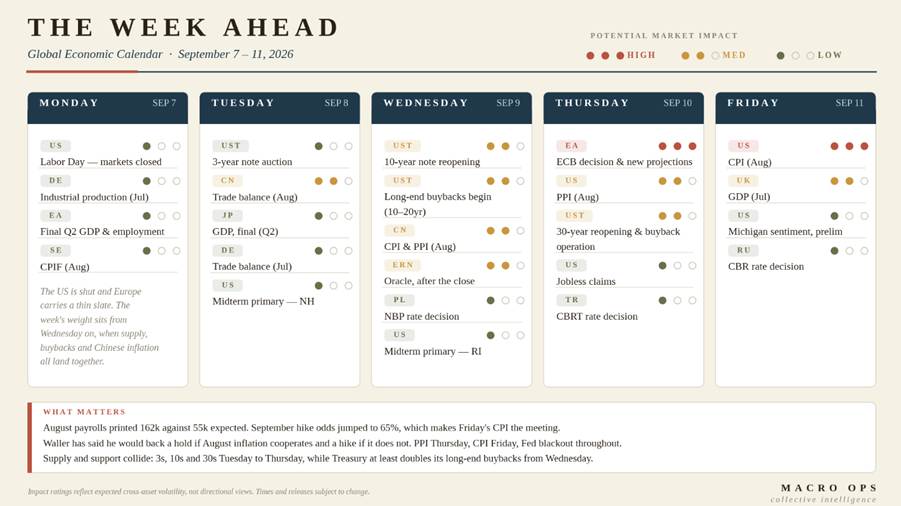
2. The week ahead in data: August payrolls printed 162k against 55k expected. September hike odds jumped to 65%, which makes Thursday’s PPI and Friday’s CPI the focus. Waller has said he would back a hold if August inflation cooperates and a hike if it does not. PPI Thursday, CPI Friday, Fed blackout throughout. 3s, 10s and 30s Tuesday to Thursday, while Treasury at least doubles its long-end buybacks from Wednesday.
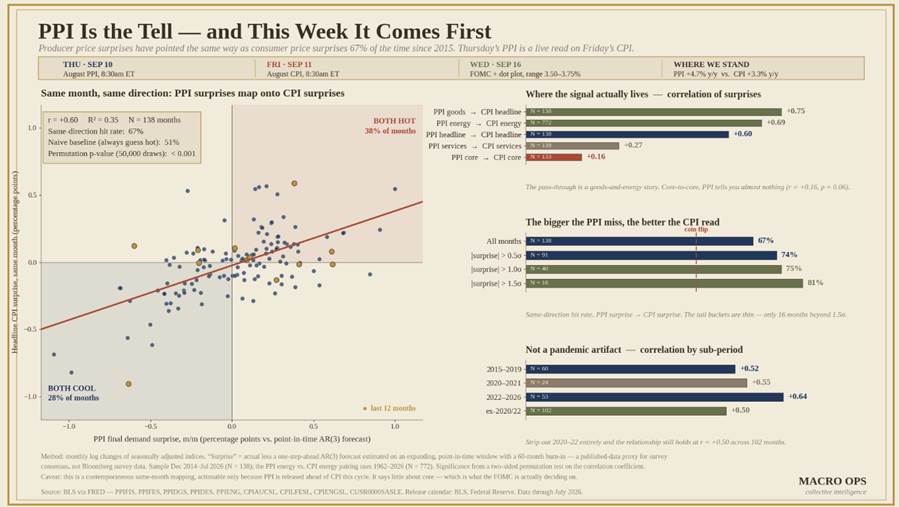
3. Thursday’s PPI comes out before CPI this time, which makes it an important tell. Labor concerns are off the table after last week’s 6-sigma NFP beat, so inflation is the only thing the FOMC is looking at next week. PPI correlates strongly with CPI, and the greater the surprise, the greater the correlation.
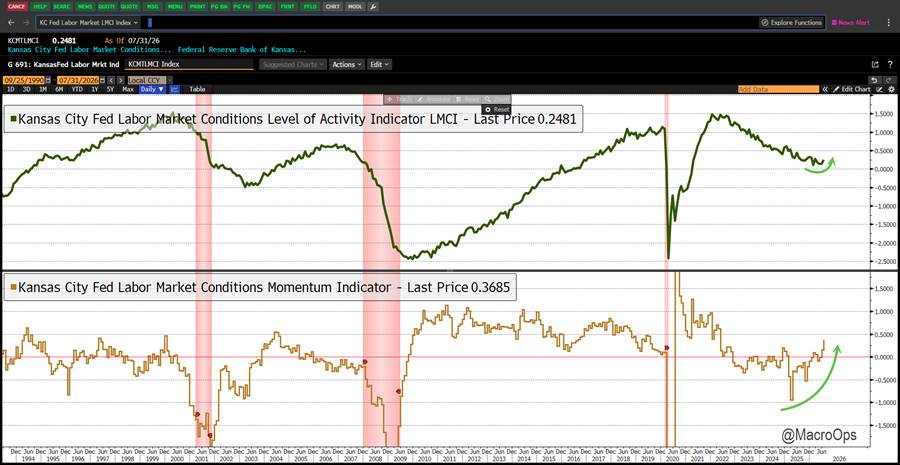
4. The strong labor read wasn’t a surprise to us. We’ve been tracking the acceleration in the jobs market for a while now. The KC Fed’s LMCI, shown below, condenses 24 labor market series (employment, openings, hires/layoffs, earnings, hours, surveys) into an activity level and a momentum series measuring RoC. Jobs momentum is strongly inflecting higher while the activity level itself has stabilized and is starting to turn back up.
5. I saw that Barron’s latest cover is talking about the “Death of Bonds…” That’s typically not a great thing to see if you’re a bond bear. Then again, a study of magazine covers as contra signals shows that Barron’s isn’t necessarily a fade. Now, if The Economist comes out with something similar, then we’ll know it’s a good time to start loading up.
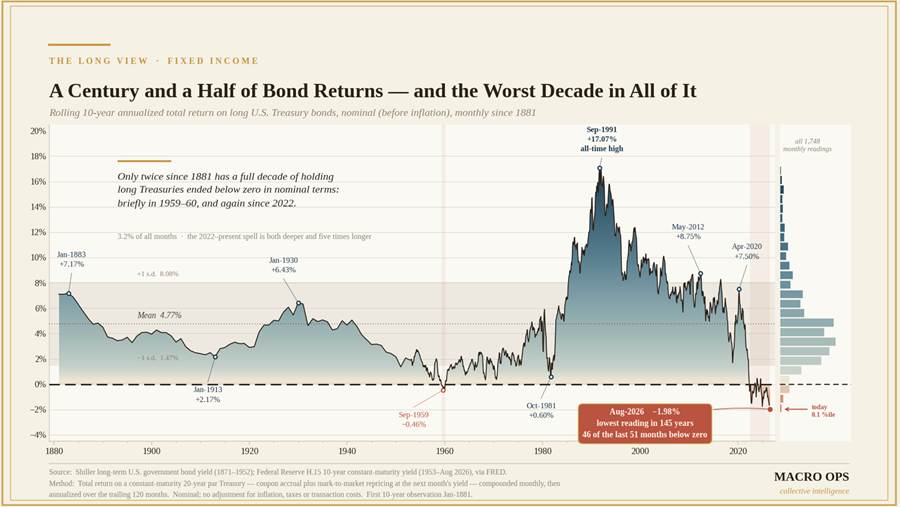
Bonds have been in a major rout though. This chart showing rolling 10yr annualized returns of bonds over the past 150 years is a doozy. Lowest reading on record.
Are we due for some mean reversion, or is this the beginning of the end for the American empire? Or something in between?
Time will tell. And while we’re not playing the bond short directly, because we don’t care to be on the other side of the Treasury, we’re quite long commodities which are moving inversely to bonds. Or vice-versa, rather.
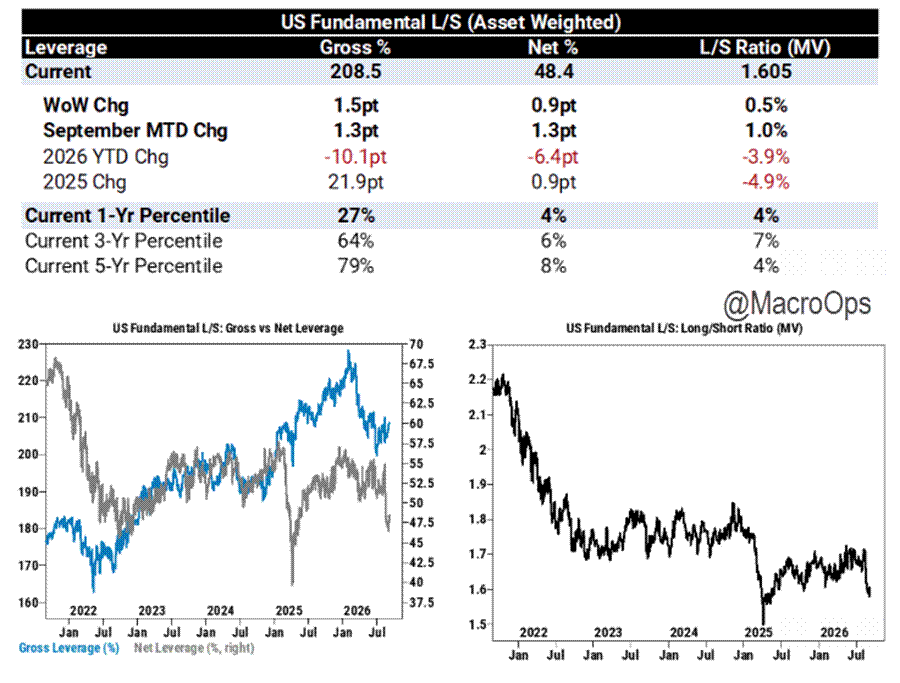
6. Risk Exposures from GS: “US L/S Gross leverage rose +1.5 pts to 208.5% (27th percentile one-year), while US L/S Net leverage increased +0.9 pts to 48.4% (4th percentile one-year). US Fundamental long/short ratio (MV) increased +0.5% to 1.605 (4th percentile one-year).”
Short-term positioning has reset, at least amongst funds. Retail is another story. That makes the pain trade up. But like we talked about last week, there’s been quite a bit of call buying, so we could see some chop and vol before the next leg higher. Which fits with seasonality.
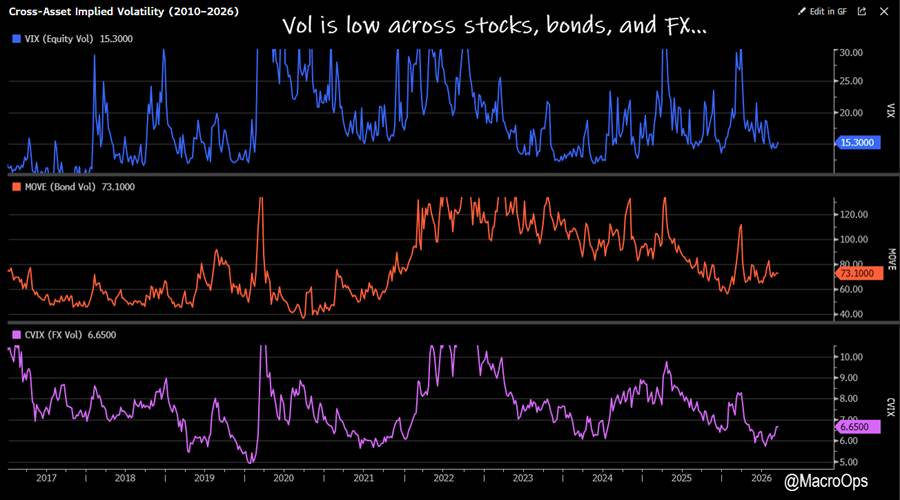
7. Implied and realized vols are low across the major assets (equity indices, bonds, FX). Good environment to buy some optionality and be long some vol.
8. This one is concerning, from GS: “we just traded through the lowest realized correlation period in recent history … realized correlation across SPX over the last six months is 11, only two periods in the last 25 years have seen corr this … Feb 2007 (senior yr college) and Jan 2018 (just before “volmageddon”) … history book suggests levels this low are not sustainable and have ended in a starburst of index vol convexity (caveat “past performance is not indicative of future returns”).”
Maybe this time will be different?
9. My teammate Dean Christians made this noteworthy observation in a recent note:
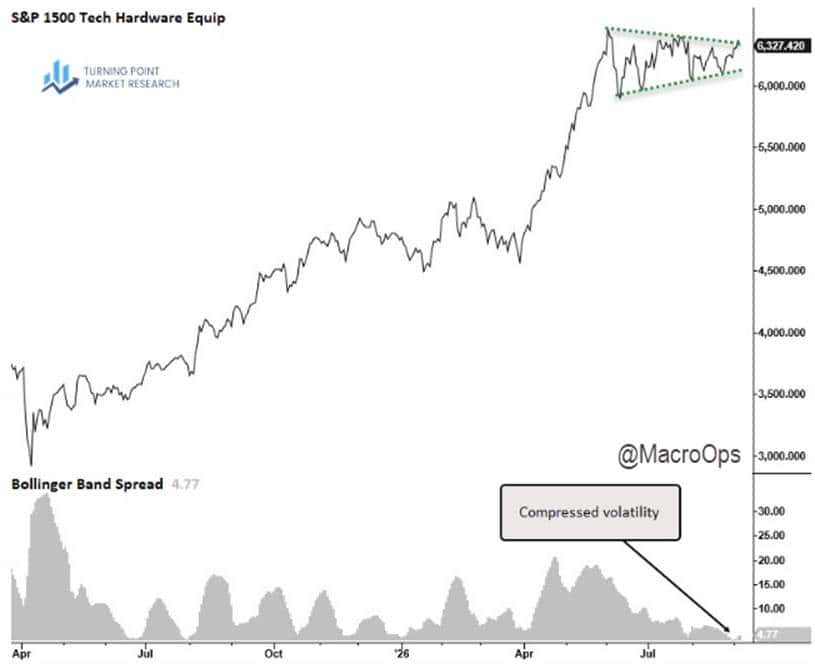
“Another group that caught my attention is the S&P 1500 technology hardware & equipment industry group, where the BB spread fell to a new year-to-date low this week as the index continues to form a triangle pattern. The group includes several of the memory names, which makes this compression particularly interesting to me.
“These stocks have started to act better, and if a year-end rally develops as seasonality shifts from unfavorable to favorable, this could be a group worth owning. As a reminder, compressed volatility doesn’t predict future direction, but as a general rule, markets tend to resolve in the direction of the previous trend.”
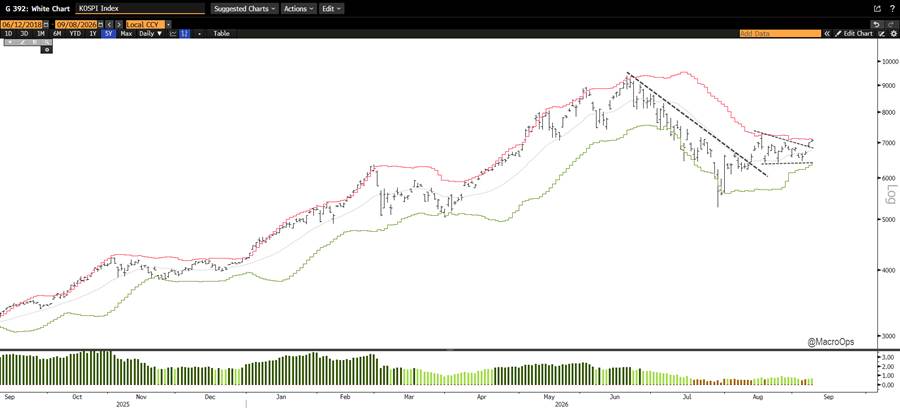
10. Whether we’re talking about tech hardware & equipment, the South Korean KOSPI, or MTUM, we’re really talking about one thing: memory. The DRAM/NAND chip companies have become the heavyweights in their respective indices. The KOSPI has recovered off its lows following a roughly 40%+ peak-to-trough decline and broke out of its recent compression last week.
Not a bad setup for a tactical trade to get long.
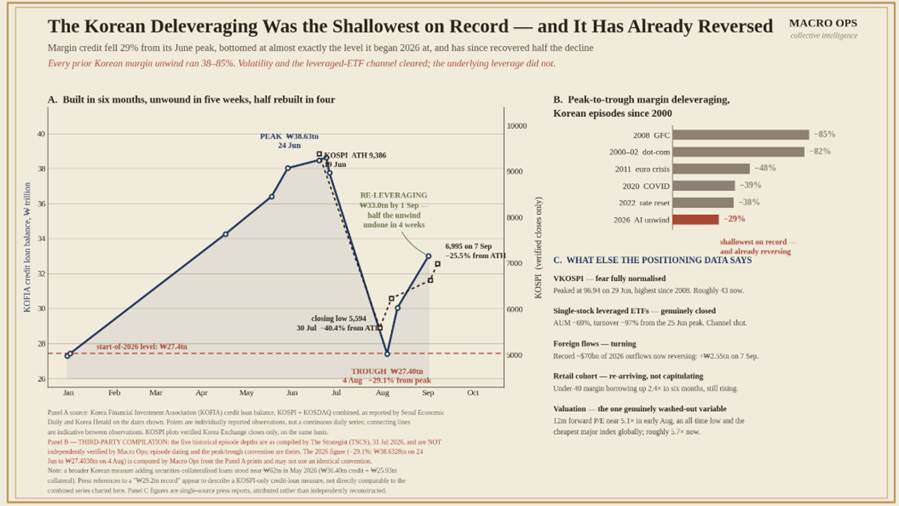
11. Emphasis on the tactical, because the pavlovian margined dip buying from SK investors makes me uneasy. This was the shallowest “deleveraging” event in SK history and half of it has already reversed. That’s late-cycle behavior. But late-cycle behavior goes on longer than most think.
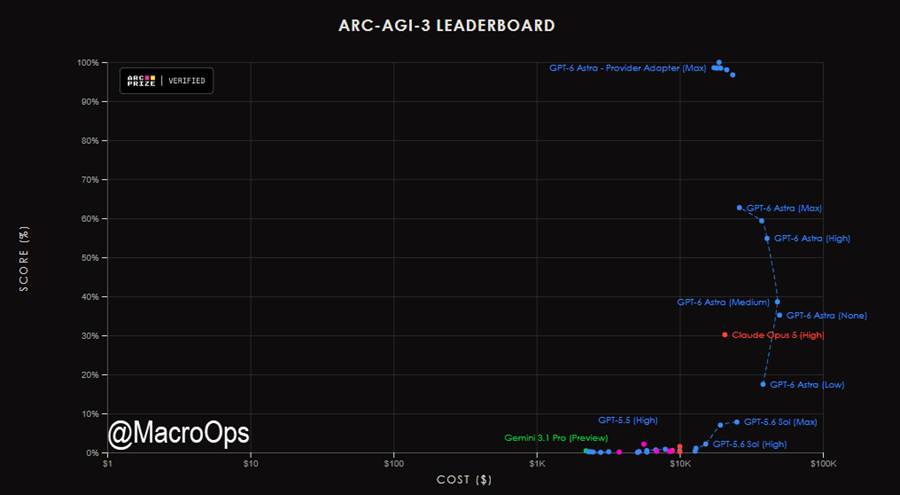
12. I think last week’s release of OpenAI’s latest Astra model is a significant event in terms of Narrative Pendulum dynamics, similar to the Claude Mythos non-release that kickstarted the rally in AI/semi names at the beginning of the year. Astra seems to be a step function improvement and we’ll likely see the AI pendulum swing back into full swing bullish soon.
We’re considering going long DRAM and select cryptominer/AI compute plays here. Chart from Arc Price (link here).

Comments
Log in or sign up to join the conversation.