

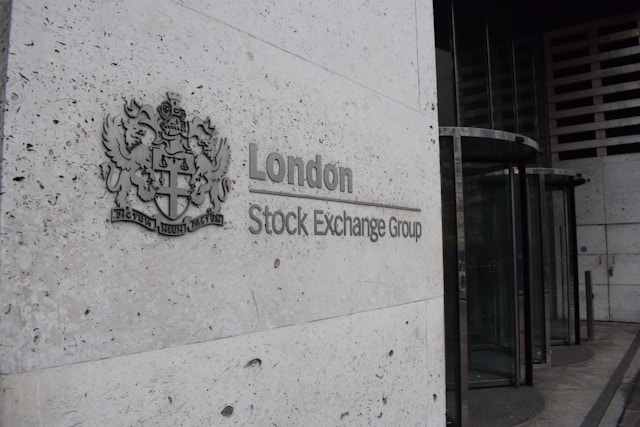
Oliver Hale - Unsplash
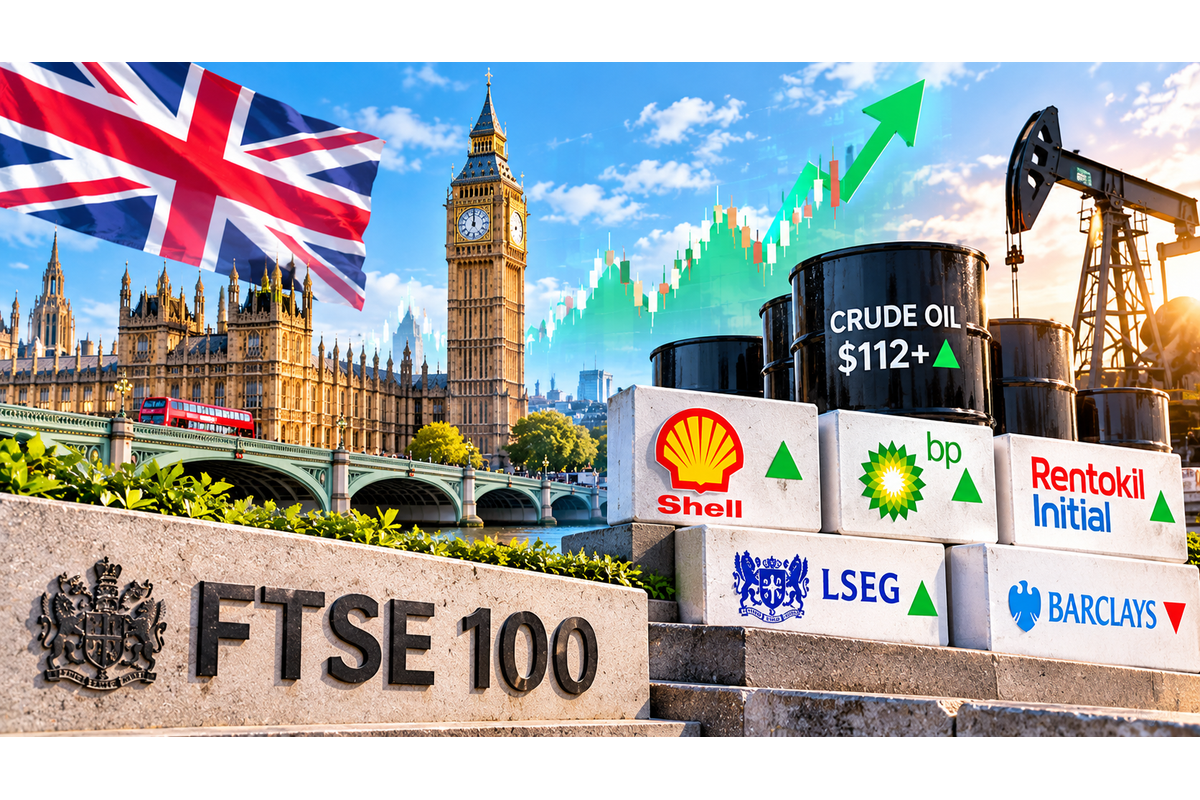
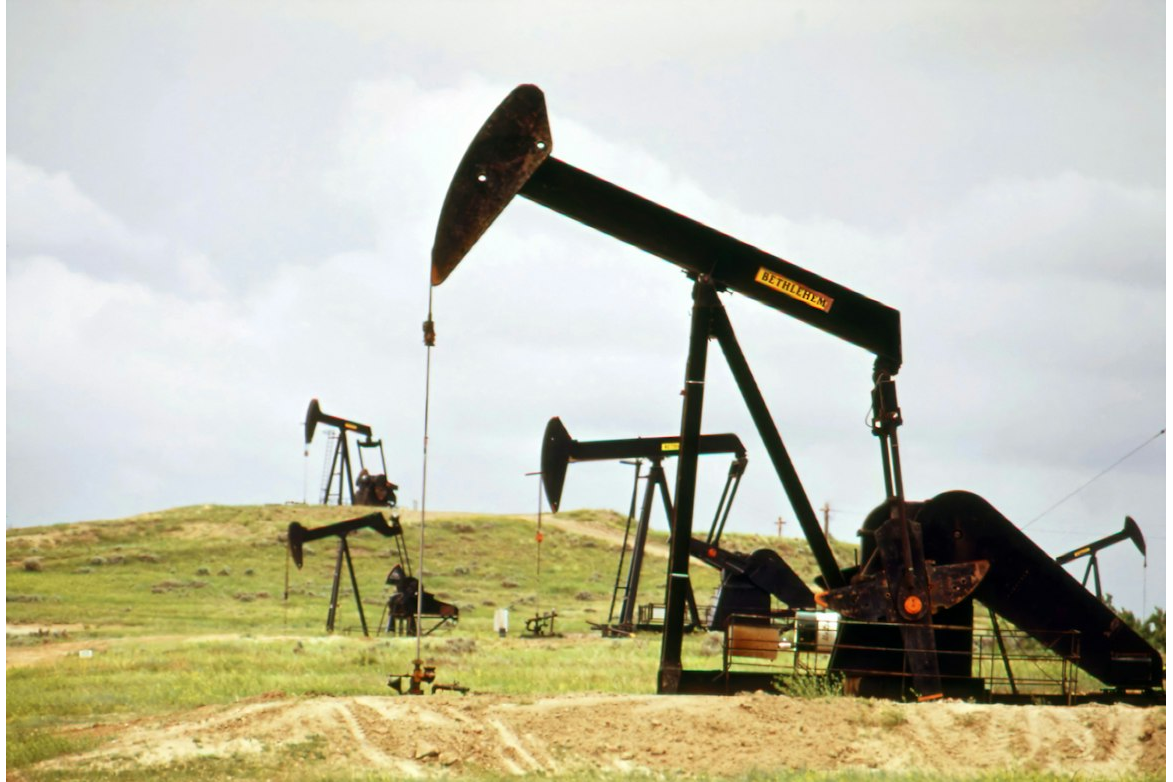
On Monday, UK stocks plunged to their lowest levels in nearly two months as surging oil prices stoked inflation fears and raised concerns about potential interest rate hikes. These worries were compounded by ongoing U.S.-Israeli tensions involving Iran. The blue-chip FTSE 100 fell approximately 1%, while the mid-cap FTSE 250 suffered a sharper decline of about 2%. Both indexes experienced their steepest weekly losses in almost a year. In contrast, major oil companies saw gains, with Shell rising 1.3% and BP inching up 0.3%, as crude oil prices surpassed $100 per barrel. This surge was driven by fears of prolonged shipping and supply disruptions stemming from the escalating Middle East conflict. Reflecting this trend, the UK's energy sector index rose by 1.6%.
Geopolitically, Iran’s decision to appoint Mojtaba Khamenei as the successor to his father, Ali Khamenei, as supreme leader signals the continued dominance of hardliners in Tehran. The spike in energy prices has reignited concerns over inflation, prompting a significant shift in expectations for the Bank of England’s monetary policy. Market data now indicates a more than 40% likelihood of an interest rate hike this year, a sharp reversal from February predictions that anticipated two rate cuts. Amid these developments, UK Prime Minister Keir Starmer reiterated his commitment to tackling the cost-of-living crisis, raising questions about the fiscal implications of government support for energy bills. Meanwhile, economic uncertainty deepened as the latest REC/KPMG report revealed that starting salaries for permanent roles are still declining, albeit at a slower pace. However, the drop in new permanent hires appears to be stabilizing.
British government bonds suffered another sharp decline, and the pound recorded its steepest daily drop in over a month. Investors perceive the UK as particularly vulnerable to an energy price shock due to its weaker government finances compared to many European nations. The pound’s significant drop coincided with UK government bonds, or gilts, underperforming their French, German, and U.S. counterparts. The two-year gilt yield surged by as much as 37 basis points to 4.239%, before easing slightly to a 27 basis point increase. This still marked its largest single-day spike since the market turmoil caused by former Prime Minister Liz Truss’s controversial fiscal policies in September 2022. Yields on five-year and 10-year gilts also climbed, rising by 22 and 16 basis points, respectively, as bond prices fell. In corporate news, pharmaceutical giant GSK slipped 0.6% after announcing a deal with Italian company Alfasigma. Under the agreement, GSK will receive up to $690 million, granting Alfasigma global rights to linerixibat, an experimental treatment for severe itching in patients with a rare liver condition.
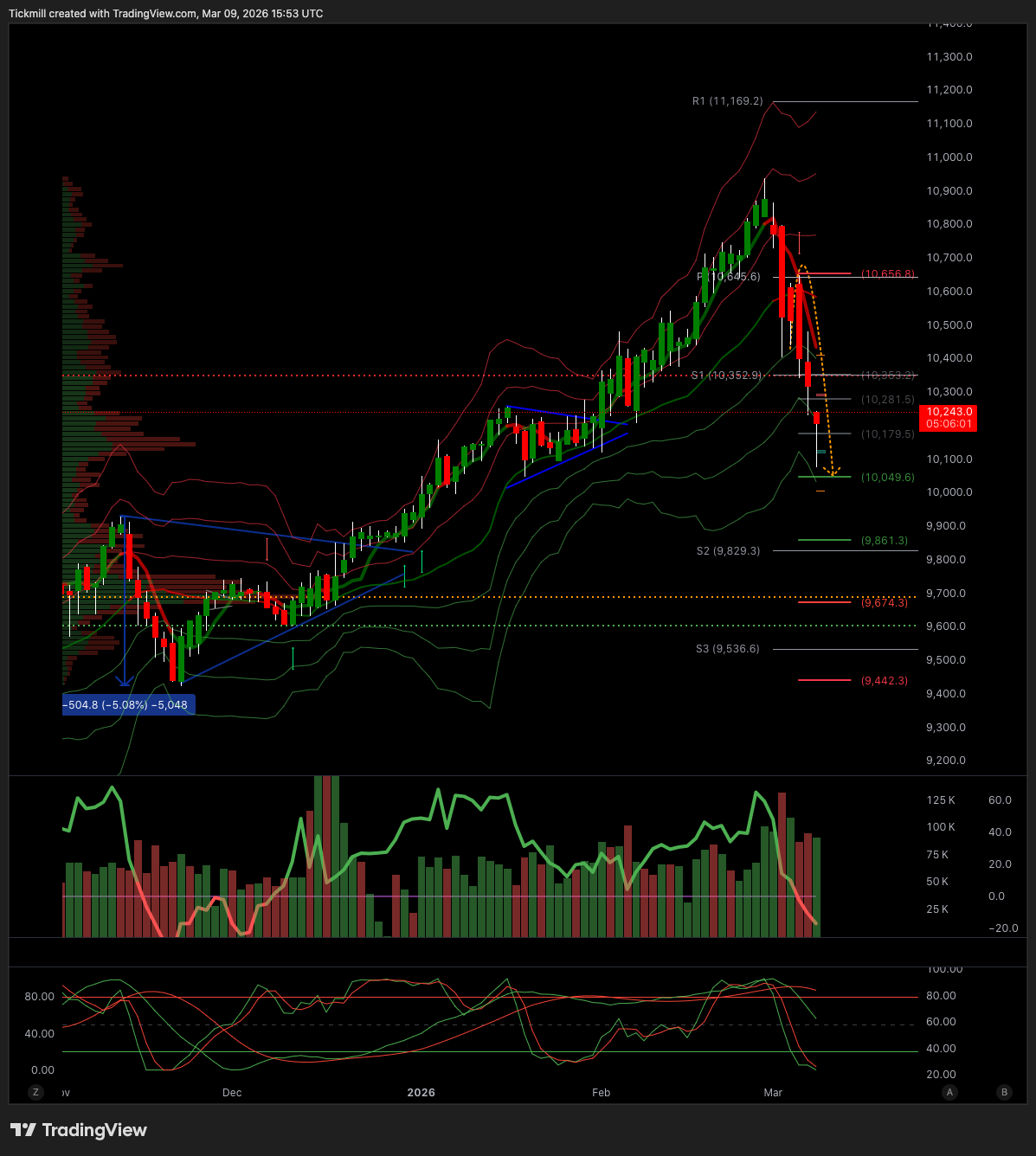
TECHNICAL & TRADE VIEW - FTSE100
Daily VWAP Bearish
Weekly VWAP Bullish
Below 10600 Target 10000
Comments
Log in or sign up to join the conversation.