

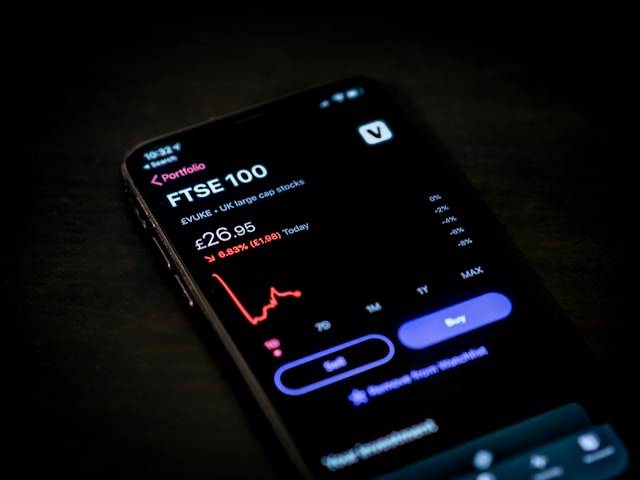
Jamie Street- Unsplash
London's leading stock indexes extended their decline on Friday, with escalating tensions in the Middle East stoking fears of rising inflation and adding uncertainty to the Bank of England's monetary policy outlook. Energy companies, however, bucked the trend, benefiting from a sharp rise in oil prices. The FTSE 100, which tracks blue-chip stocks, recorded losses, and both major UK indexes appeared set for a second straight weekly drop, mirroring global market movements amid growing geopolitical unease. The ongoing U.S.-Israel conflict, with Iran as a central player, has now entered its second week with no resolution in sight, leaving investors increasingly anxious about a prolonged crisis. U.S. President Donald Trump has intensified his rhetoric against Iran, which remains resolute in its stance on keeping the vital Strait of Hormuz closed.
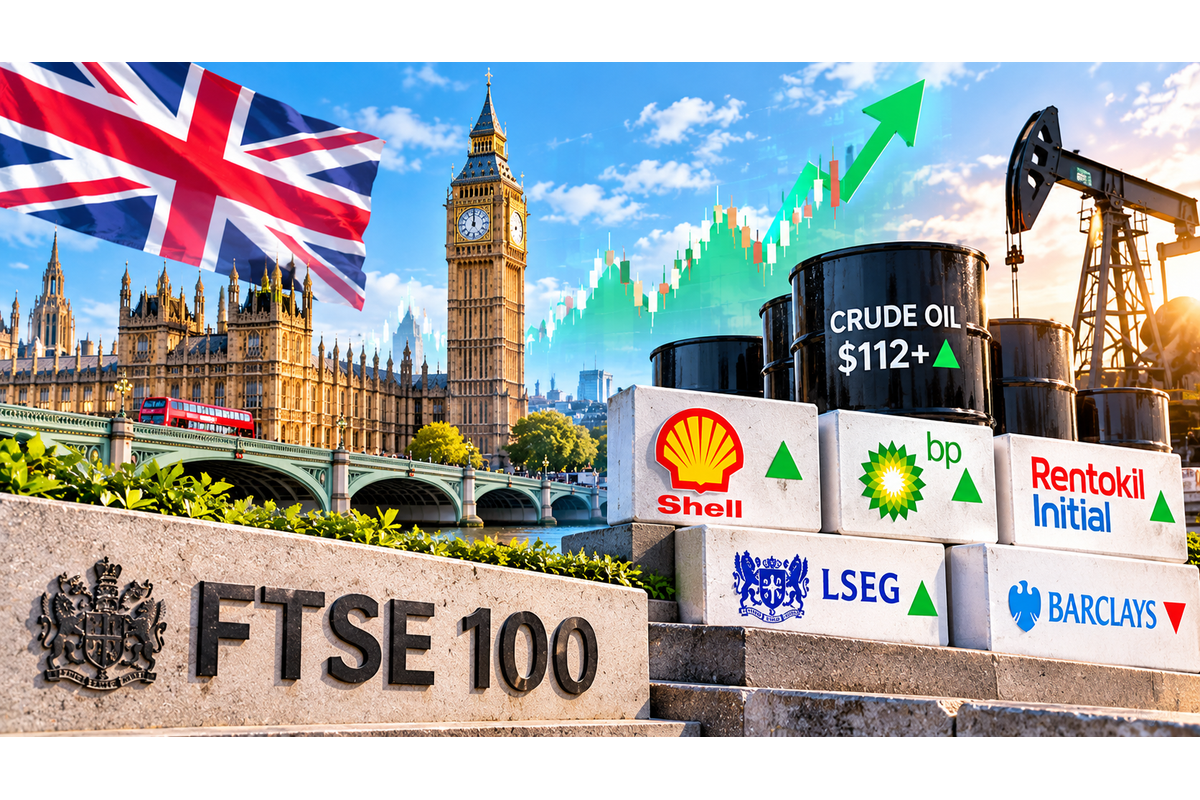
Despite the broader market downturn, the UK’s energy sector offered a rare glimmer of optimism, climbing 1.3%. Oil giants BP and Shell posted gains of 1.5% and 1.3%, respectively, as crude oil prices surged past $100 per barrel. Conversely, most other sectors struggled, with mining stocks suffering the steepest losses, plunging 2.1% to become the day's worst performers. Adding to investor concerns, fresh data from the Office for National Statistics (ONS) showed the UK economy stagnated in January. Flat GDP growth, a sluggish services sector, and mounting energy price pressures tied to the Iran crisis have further dampened market sentiment.
Analysts caution that while reopening the Strait of Hormuz by the end of March could mitigate economic fallout, an extended closure coupled with sustained high energy prices could severely impact global markets. LSEG data indicates that money markets have dismissed the likelihood of the Bank of England cutting interest rates in March. Bank of America has revised its forecast, now projecting the BoE’s first rate cut in June, citing inflation concerns driven by surging energy costs. Other financial institutions, including Goldman Sachs, Standard Chartered, and Morgan Stanley, have also adjusted their timelines for rate cuts as oil prices remain elevated due to geopolitical tensions. With such uncertainty, the Bank of England may opt to delay monetary easing for the rest of the year. A premature rate cut could weaken the pound further, exacerbating inflationary pressures and complicating the central bank's policy decisions.
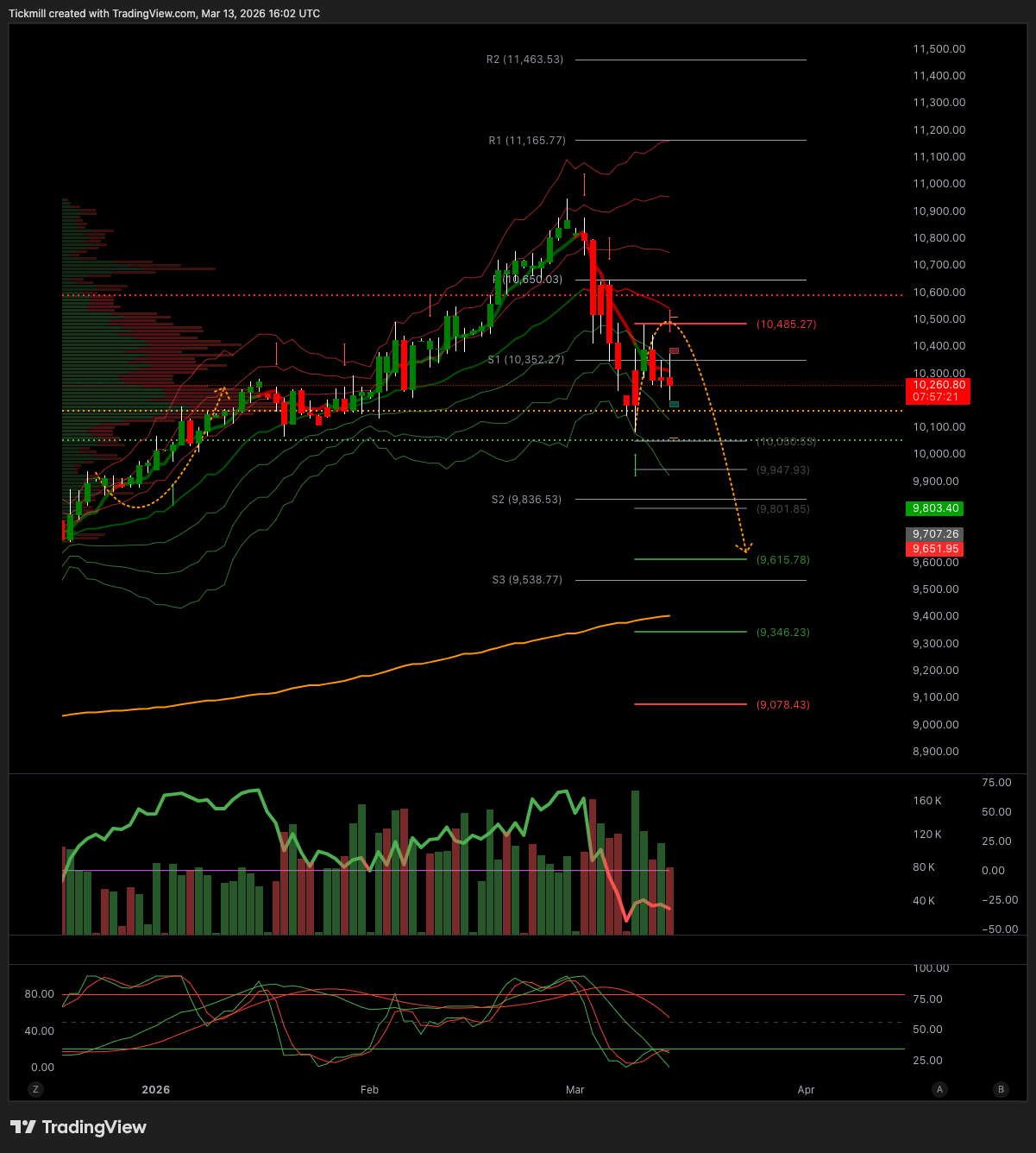
TECHNICAL & TRADE VIEW - FTSE100
Daily VWAP Bearish
Weekly VWAP Bullish
Below 10500 Target 9600
Comments
Log in or sign up to join the conversation.