
By The Numbers
July 28-29 — Next scheduled FOMC meeting window
Higher oil — Hormuz risk putting inflation pressure back on the table
Growth stocks — Already selling as higher-for-longer stays the base case
No easy cut — Market has spent 2026 learning not to front-run aggressive easing
2:00 PM ET — Typical FOMC statement release time investors watch
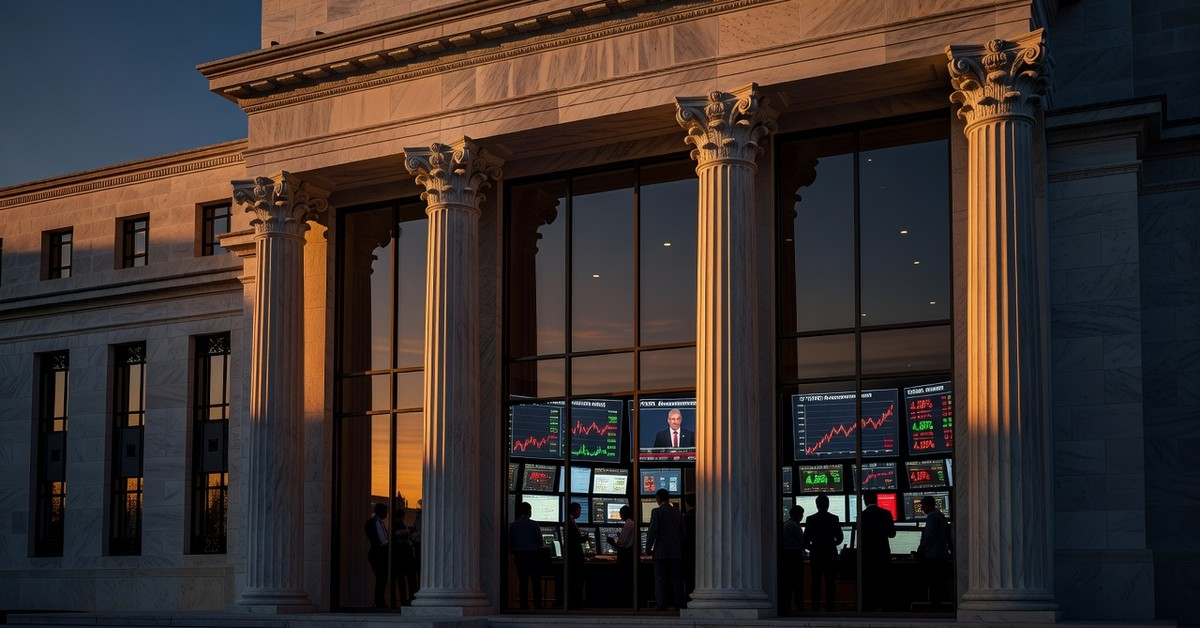
Mark your calendar. The Federal Open Market Committee meets July 28 and 29. On paper it is one more rate decision. In the market it is a referendum on whether policymakers still control the story, or whether oil and geopolitics do.
This is arriving at a messy moment. Crude is on track for a sharp weekly gain because Hormuz risk is live again. Semiconductor and growth stocks are already getting marked down on valuation. Inflation data earlier this month was not the disaster some feared, but energy spikes have a habit of ruining tidy narratives. A handful of people in a room in Washington will still set the policy rate. Investors will still live with the second-order effects in mortgages, multiples, and risk appetite.
Why the Fed Looks Cornered
It's kinda like steering a boat with one hand on the wheel and the other holding a map that keeps getting wet. Cut too soon and oil-driven inflation fear comes roaring back. Hold too long and growth stocks keep compressing while housing and capital spending stay expensive. That is the corner. Every path has a visible cost.
Markets have already spent much of 2026 learning that aggressive rate-cut dreams are a bad trading partner. Earlier stretches this year even flirted with hike risk after sticky data. Whether or not a hike is likely in July is almost beside the point. The absence of easy easing is the policy regime, and equity leadership has been rotating toward whatever can live in that regime.
"The July FOMC is less about a dramatic pivot and more about whether the Fed admits how little room it has."
What Changes Between Now and July 29
Hold on. Let me stop here. The statement and press conference matter more than the rate decision itself if policy is unchanged. Watch the language on inflation risks, energy, and financial conditions. If oil is still elevated into the meeting, any soft tone will sound reckless. If crude cools and chips stabilize, a patient hold becomes easier to sell.
Also watch the bond market, not the pundits. The 10-year and 30-year yields will tell you whether investors believe the Fed can ignore Hormuz. Rising long rates into a hold are a warning for long-duration stocks. Falling long rates would be the market saying growth fears are overtaking inflation fears.
Portfolio Translation
A cornered Fed usually favors balance-sheet strength, cash flow, and hard assets over pure story stocks. That is why oil strength and chip weakness can coexist. One trade thrives on scarcity and geopolitics. The other needs cheap capital and expanding multiples. You do not have to trust me. Trust the calendar. Twelve days is enough time for oil, earnings, and yields to rewrite the July meeting before the first word of the statement hits the wire.
P.S. If you only prepare for the rate decision, you are preparing for the wrong event. Prepare for the press conference, the yield reaction in the first 15 minutes, and the sector rotation that follows when the market decides which side of the corner the Fed chose.


Comments
Log in or sign up to join the conversation.