

The diminished efficacy of central bank expansion policies increasingly is being recognized by traders, if not monetarists or official interpretations. While I did correctly refer to the ECB-triggered bounce (in advance) as a highly likely 'buy the rumor / sell the news' event (a hair above the rebound S&P highs with a 'pop & flop' outcome); it's amazing that investors often don't see the subtleties of what's going on. Europe is bailing out bad banks; likely seeing a lower Euro (aside rebounds when FX traders sell intraday weakness); stronger Dollar and at least temporarily new pressure on Oil.
Though we outlined that on Wednesday (and it all worked-out accordingly); you also had OPEC 'deny' any meeting of members and non-member producers; a possibility we foresaw based on the intransigence of countries like Kuwait and of course Iran (which could, but so far isn't, being swayed by Kremlin leverage).
G20 earlier showed us that central bankers are trying to temper what we'd said is a ruinous series of competitive devaluations; as the Chinese in particular are desperately trying to sustain industry (by nationalizing many failing firms, which is the most-key story probably missed in financial reporting during the focus on ECB moves). Deflation continues and is not reversed the way these guys are doing it; and again there is not a fiscal capacity in the EU (sovereigns temper what Draghi can do; and in this case he still has done way too much to we think the chagrin of the Bundesbank).
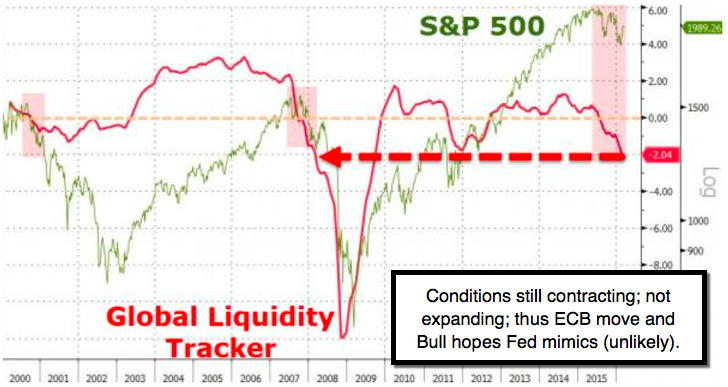
If Europe continues devaluing the Euro (directly or simply the markets); this is going to help their exports a bit, but the Chinese currency will also be impacted. The whole investor 'risk-averse cycle' may see a 'rinse & repeat' outcome. So if they settle for a narrower currency range (since they 'must' realize alternatives) for the Euro, that will keep the Dollar a bit narrower, and overall that's stability; which is sorely lacking. However, looking for a break through parity by the Euro might be a wild card, but isn't totally off the table as the initial reaction implied. So that matters; since even a 1.06-.07 handle on the Euro would thrust the US Dollar higher, and impact China as well as Japan; and help weaken the DJIA, as the U.S. export-situation would be weakened even further.
In-sum: the main issue is that 'uncertainly' is heightened, not reduced, by both the ECB's moves (which smack of desperation and bad-bank bail-outs); while a skeptical Great Britain eyes this complex macroeconomic situation warily. The overall result (and pressures on China) risk compromising currency stability the central bankers pledged to try to sustain (in a comparatively narrow range).

The notion of Europe as essentially a 'United States of Europe', is something a lot of leaders still want; but find events moving backward in ways that end some of the dreams, as the complications can't be ignored. The migrant invasion has both unified certain aspects of EU security and NATO revitalization as well (the Russian bullying of Eastern Europe contributed to that as well); while variations in 'border' control and admission processes denotes sovereign primacy in key issues. And that is a reflection of the limitations of the EU from the beginning.
In fact it is the lack of fiscal unity and comparable responses between nations (a reason I showed a map segmenting primary interests of major EU members yesterday) that sort of compels Draghi's draconian attempts to contain matters; while not realizing he's just pouring gasoline on a fire (pushing on a string or in some cases, like bad-bank profits, even worse).

Bottom-line: I suggested last night selling any rally on ECB moves; along with retaining our overall short position and belief that rallies in various areas were in a swan-song stage of semi-exhaustion. The OPEC comment that there won't be a meeting 'this' month regarding production levels, also inhibited rebounds.
In fact that, plus China's nationalization moves, were more important but likely mostly unnoticed, because of the focus on the ECB's moves and various views that initially tried to put a positive spin on what Draghi did, which pushed rates and risks higher, under the pretense of improving Europe's position. Do keep an eye on London; as stories (if valid) suggesting the Queen and Carney (Bank of England head) both 'reputedly' leaning towards Great Britain exiting the EU, matters a lot as we move toward Summer. More uncertainty; more di
So; the low rates kept in place (and over two years all the way into negative or experimental ranges), tended to enable debt without proper repaying of interest because the anti-recession efforts have created extreme ballooning of debt. To a degree banks lowered their funding costs, but also lowered loan income for a long time to come; while generating capital gains on bond holdings or reduced loan impairments. In the U.S., which could take fiscal moves, you have seen so little it should be (and is) embarrassing to this great Nation; even beyond what's an intractable polarized partisan Congress.

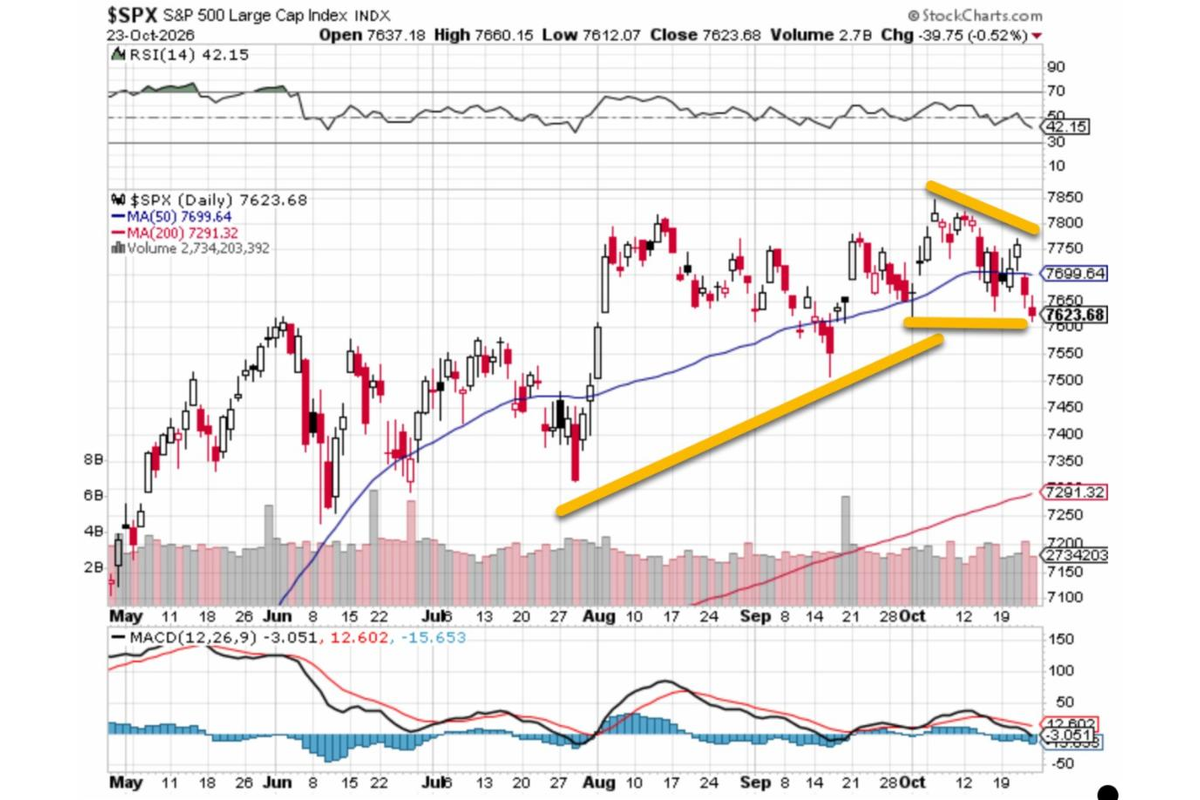
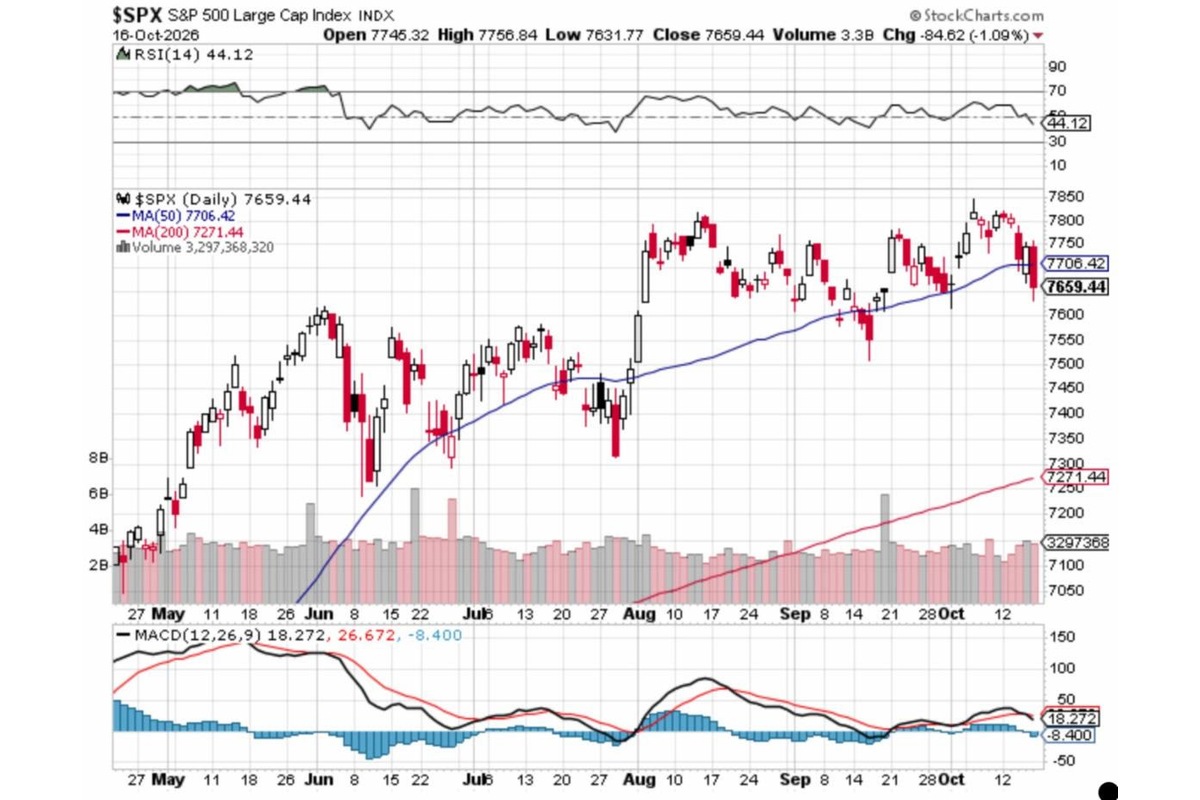
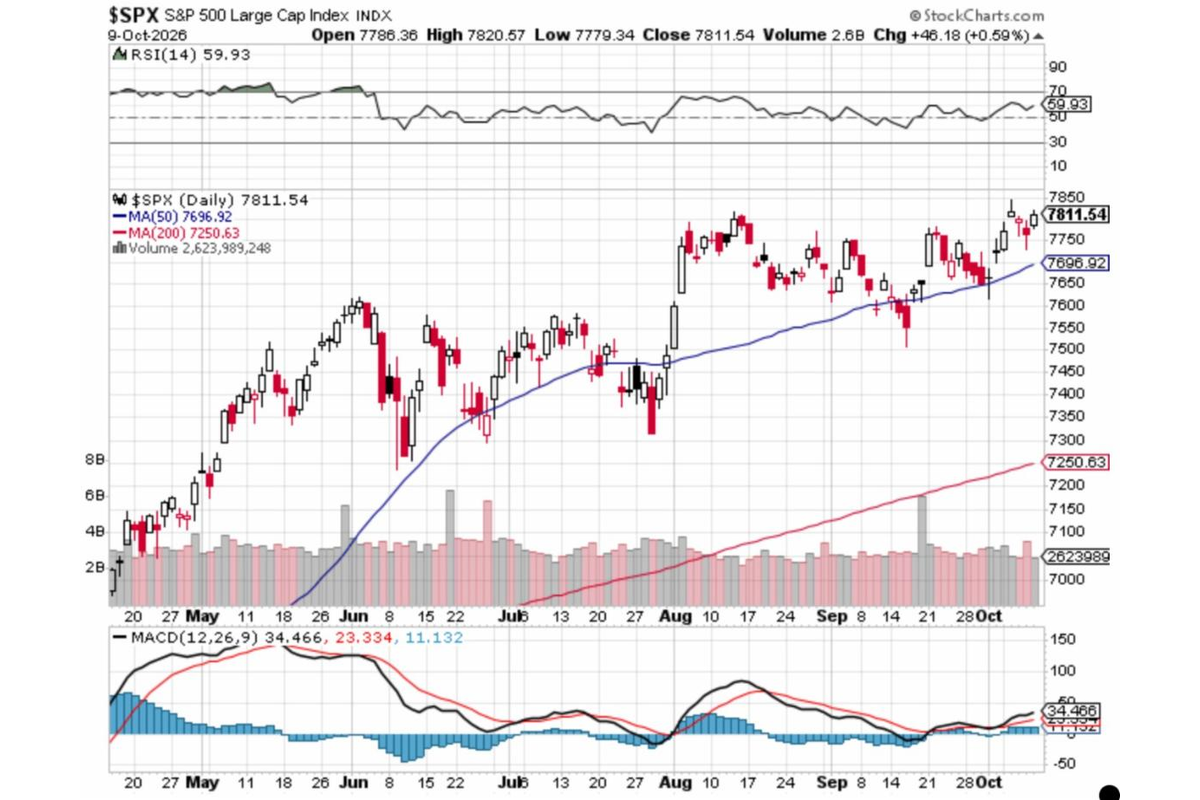
Combine all this, and you can get waves of selling on the back of moves that in my view emphasize the low liquidity out there, and sluggish economic activity. I think this idea of banks not having to repay central bank loans, is ridiculous at worst, and a sign of a recession that can't really be extricated from, at best. Or it's just 'sloppy' with reasonable economic sideways action; but that keeps S&P again at levels that can't be justified fundamentally or technically, by reality as it relates not only to 'where things stand now', but the intermediate outlook.
Comments
Log in or sign up to join the conversation.