

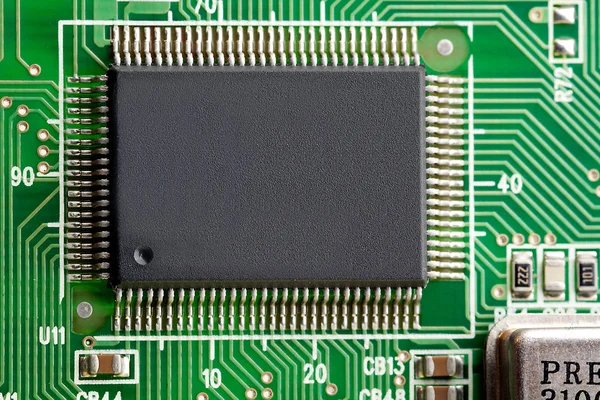
This week, Nvidia told some of its biggest customers that prices are going up. Servers built around its AI chips, including the flagship Vera Rubin and Grace Blackwell systems, are set to cost 15% more once shipments start early next year.
That's a big number. And it's worth walking through exactly what it means (and what it doesn't mean). Because the ripple effects run through the entire AI economy, not just Nvidia's own income statement.
The easy read is that this is pure good news for Nvidia. Higher prices, same chips, fatter margins.
Well... Maybe.
But it's not automatic. If Nvidia is raising prices because its own input costs are climbing, the specialized memory, the advanced packaging, the capacity it has to reserve at TSMC, then this could simply be a pass-through.
Nvidia collects more revenue per system, but its own cost of goods rises right alongside, and the margin picture ends up looking a lot like it did before.
We won't know which story is true until Nvidia actually breaks down the numbers, which happens to line up nicely with the company's earnings announcement tomorrow.
The Hyperscalers Are the Ones Who'll Feel It
Whatever this price hike does for Nvidia's margins, one thing is certain: A 15% price hike is a real drag on the companies buying these chips.
Google, Meta, Amazon, and Microsoft are the obvious names. And Tesla and SpaceX belong on that list too given how much AI compute both are pulling into their own buildouts.
These companies don't have a choice about paying up if they want the chips.
And this hits at a moment when investors are already nervous about the whole AI capex story.
Wall Street has been wondering whether hundreds of billions of dollars in spending will ever generate a return that justifies the price.
A 15% increase in the cost of the core input makes that question harder to answer.
The Cure for Higher Prices Is Higher Prices
There's an old economic axiom: "The cure for higher prices is higher prices."
It sounds like a contradiction. But when you unpack how prices affect markets, the statement starts to make more sense.
Higher prices are a signal, and markets respond to signals. That response is exactly what eventually brings a price back down, without anyone in Washington needing to do a thing.
Watch for two things to happen from here, on two different sides of this trade.
First, competition: Right now, Nvidia's competitors can see exactly what's happening: Nvidia is charging more, and its customers are paying it, because for now they don't have a better option.
That's an enormous incentive.
Every chip company on the planet just got a clearer signal that there's real money to be made building a viable alternative.
That doesn't happen overnight... Chip design and fabrication can take years. But this is exactly the kind of pressure that eventually pulls new supply into a market, and new supply is what brings prices back down over time.
Second, efficiency: When hyperscalers are paying more per chip, they get a lot more motivated to squeeze more value out of every chip they already have, or figure out how to do more with fewer of them.
That's demand destruction working to push chip prices lower.
And here's the part I find most interesting: The efficiency breakthroughs that come out of that pressure don't stay locked inside Google or Meta's data centers. They tend to spread.
Smaller companies end up able to build real AI products with a fraction of the capital and compute that used to be required, because someone bigger was forced to figure out how to do more with less first.
This Takes Time, and That's the Point
None of this resolves in a week, or even a quarter. Markets need time to digest a shock like this and find a new equilibrium.
But that lag is exactly why this kind of moment creates real opportunity.
Innovation gets pulled forward. New entrants get a reason to exist that wasn't there before the price went up.
That's how free markets create wealth for people who weren't even in the game yet, and it's a pattern worth watching closely as it plays out here.
I'm genuinely curious what Nvidia has to say about this price increase when they report earnings tomorrow. I'm curious whether they frame it as a margin story or a cost pass-through, and how they talk about demand holding up at the new price.
Either way, I expect this to keep reshaping which companies benefit as the AI buildout continues, and I'll be looking for new opportunities as that shakes out.



Comments
Log in or sign up to join the conversation.