

In late September, the U.S. and China agreed to extend the November 10, 2026, deadline under the Busan trade agreement for some of China’s rare-earth controls to January 10, 2027. Markets interpreted this as de-escalation in a key geopolitical and supply chain conflict between the superpowers. Yet it was anything but. China’s April 2025 licensing on dysprosium, terbium, and five other rare earths remains in force, rendering the development more about optics than substance.
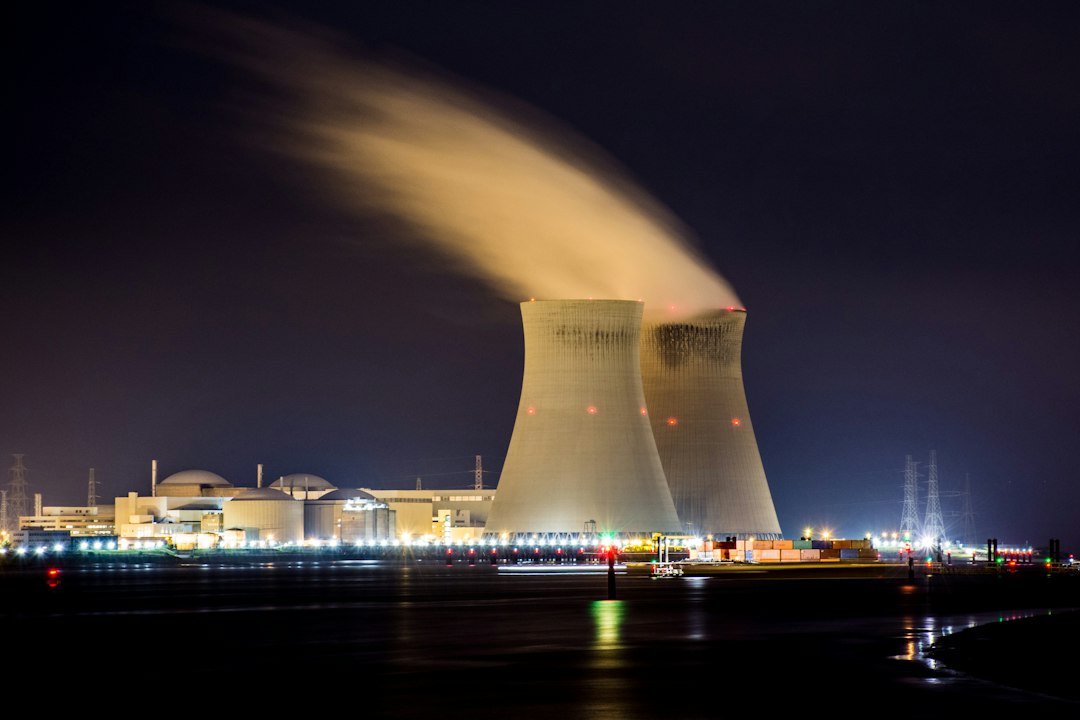
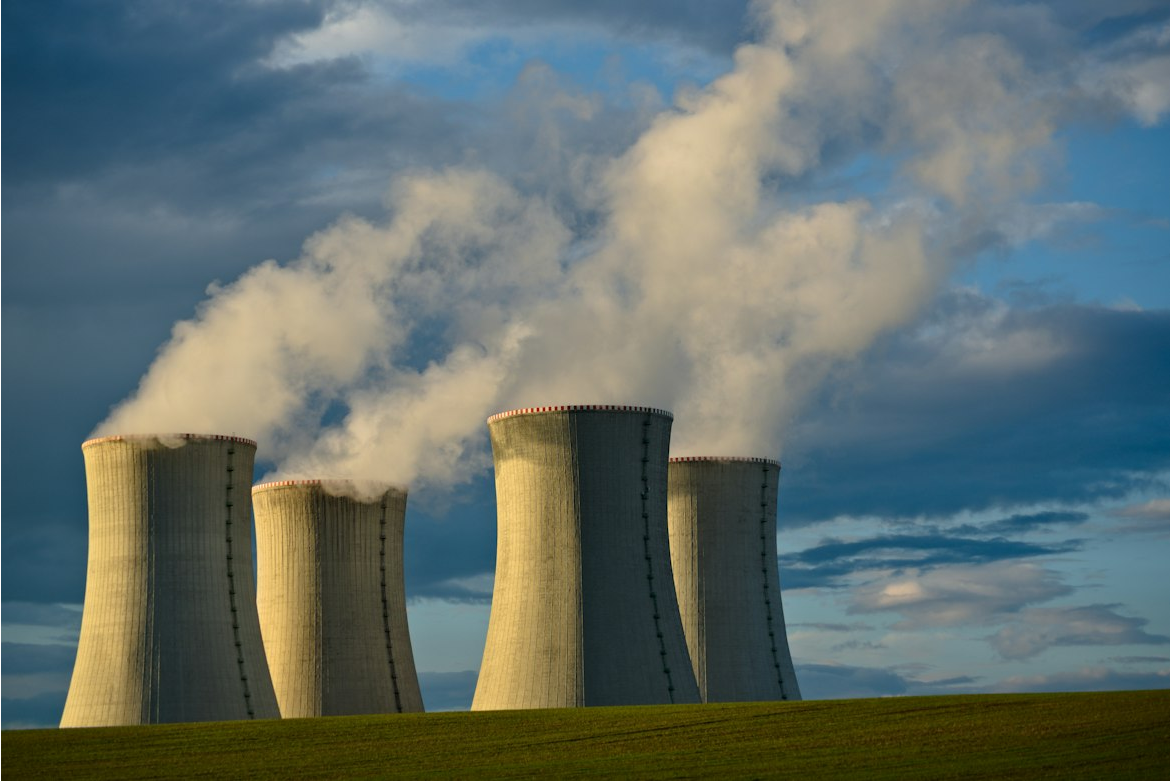
In another similarly performative move, the administration lifted sanctions on Russian diesel in early October, clearing those imports through April 2027. Allied uranium producers’ share prices fell on the news. Investors appeared to conclude that the Russian enriched-uranium ban set for 2028 could face similar weakening. On October 17, Trump waived more Russia-related sanctions and tariffs before they took effect, deepening those doubts.
Rare-earth and uranium mining stocks have fallen toward their 52-week lows. The VanEck rare-earth ETF (REMX) is down about 51% from its spring high and the Global X uranium ETF (URA) about 43%. Meanwhile, prices for physical uranium and the heavy rare earths dysprosium and terbium have held near recent highs on tight structural supply and continued demand.
That distortion between beaten-up producer prices, tight physical supply and ongoing geopolitical tensions creates a significant investment opportunity window and forms the basis for our Pulse Premium recommendation and addition to the model portfolio this month.

Comments
Log in or sign up to join the conversation.