

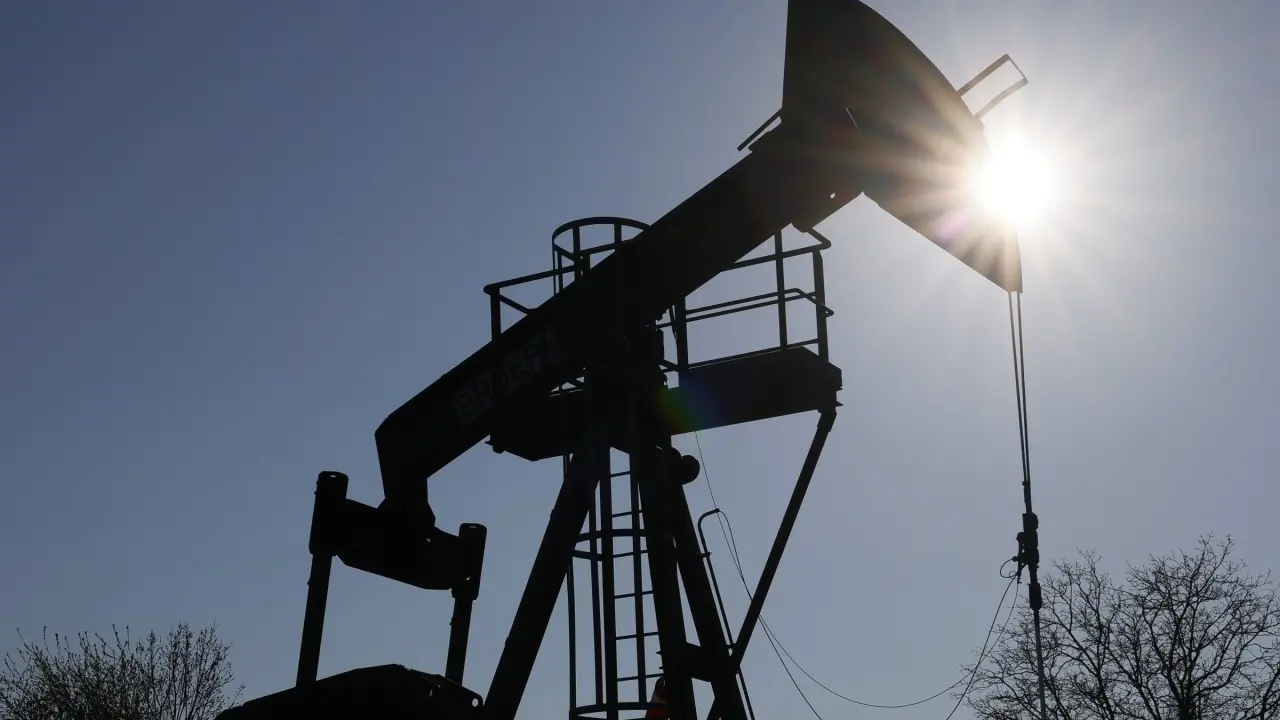
The oil market is stuck in limbo and likely to remain there until after the US midterm elections, when investors may get a clearer read on President Trump’s next move toward Iran
Energy - Gasoil crack moves lower
Oil prices edged lower yesterday, settling down for a second consecutive day. With Brent still trading around $114/bbl, oil prices remain elevated as the market waits for greater clarity on President Trump's next move toward Iran. The broader move higher in recent weeks suggests the market is pricing in a greater likelihood of re-escalation. We’ll likely have to wait until after the 3 November US midterms more clarity on how the situation in the Middle East evolves. An agreement between the US and Iran may not be needed for prices to pull back. If we get past the elections without renewed strikes on Iran, that might be enough for the market's risk premium to start eroding.
The middle distillate market is weakening, with the ICE gasoil crack trading down toward $70/bbl, its lowest level since early October. Diesel markets have eased after Russia lifted its diesel export ban earlier in the month, following a deal with Trump to supply more diesel to global markets. Russia is a major diesel exporter. These flows have come under pressure this year due to Ukrainian attacks on Russian refineries, which ultimately led Russia to impose a diesel export ban.
Meanwhile, there are reports that the US administration is proposing the return of US oil majors to Russia postwar, which forms part of broader negotiations to bring an end to the war between Russia and Ukraine. In addition, Finland’s president and Norway’s prime minister held a call with President Putin yesterday. It’s the first time European leaders have spoken to Putin since July last year, when the French president spoke with the Russian leader. While there was no breakthrough, it's a positive sign that European leaders are trying to get more involved in negotiations to end the war.
The latest API data shows US crude oil inventories fell by about 2m barrels last week. Meanwhile, gasoline and distillate fuel oil inventories rose by 2.3m barrels and 420k barrels, respectively. The more widely followed EIA weekly report will be released later today.
Metals - Gold hovers around $4,000 ahead of Fed
Gold climbed back above $4,000/oz after briefly falling below the key level in Tuesday’s trading session, as attention shifts to the Federal Reserve's 28 October meeting. The central bank is widely expected to leave interest rates unchanged, with markets focused on signals about the monetary policy outlook.
Gold is finding its feet again after the recent correction attracted bargain hunters and physical buyers, though ETF outflows have recently been a headwind.
In industrial metals, copper moved higher, supported by signs of tightening supply and firm physical demand in China. The Yangshan premium, a gauge of Chinese demand for imported copper, climbed to a record high as lower domestic output and increased flows of metal to the US tighten availability elsewhere. Tightness is also evident on the LME, where the cash-to-three-month spread has moved deeper into backwardation, signalling strong demand for immediately available metal. We expect this tightness to continue to support prices. At current elevated levels, price-sensitive buyers could start to resist.
Elsewhere, iron ore remained under pressure. Prices fell to their lowest level in more than two years as a softer demand outlook in China coincided with rising supply. Steel demand is entering a seasonally weaker period, while elevated port inventories are limiting mills’ appetite to restock beyond immediate needs. At the same time, rising shipments from major producers and the continued ramp-up of new supply are adding pressure to the market. We expect iron ore prices to remain under pressure into year-end, with weak steel demand and ample availability leaving limited scope for a sustained recovery.


Comments
Log in or sign up to join the conversation.