

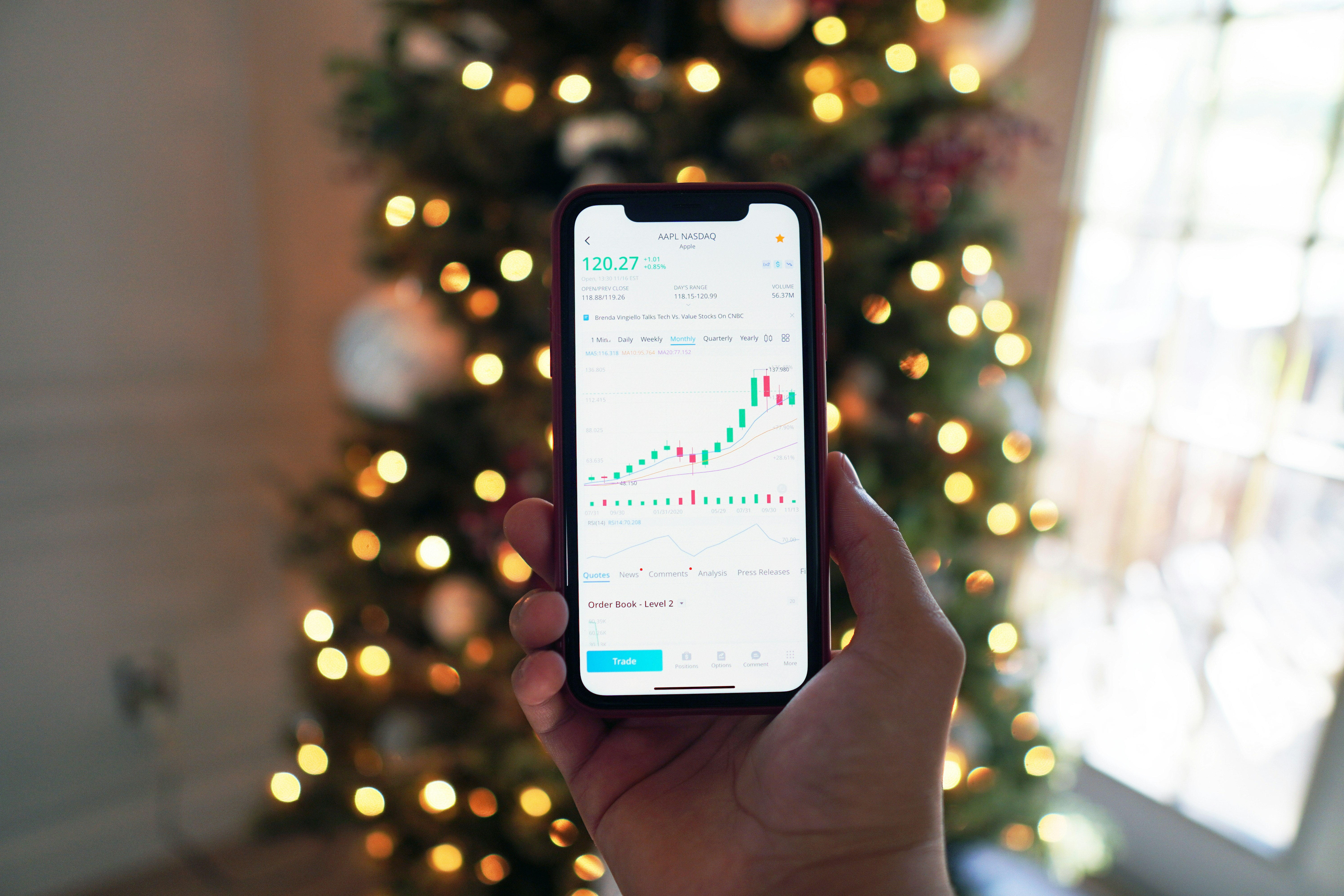
Photo by Joshua Mayo on Unsplash
Although the benchmark indices opened lower, they traded negatively throughout the session and ultimately closed red.
Indian equity benchmarks, Sensex and Nifty50, ended the last session of the fiscal year 2026 with steep losses as the protracted US-Iran war fuelled concerns over growth and inflation outlook.
Please note that markets will remain closed on Tuesday, 31 March 2026 on account of Mahavir Jayanti.
At the closing bell, the BSE Sensex closed lower by 1,635 points (down 2.2.%)
Meanwhile, the NSE Nifty closed 488 points lower (down 2.1%)
Tech Mahindra, Power Grid Corp, and Reliance Industries are among the top gainers today.
SBI, Bajaj Finance, and Kotak Mahindra, on the other hand, were among the top losers today.
The GIFT Nifty was trading at 22,423, lower by 403 points at the time of writing.
The BSE 150 Midcap index is trading 2.5% lower, and the SE 250 SmallCap index is trading 2.5% lower.
Sectoral indices are trading negatively today, with stocks in the auto sector and the banking sector witnessing selling pressure.
The rupee is trading at Rs 94.7 against the US$.
Gold prices for the latest contract on MCX are trading 0.8% higher at Rs 148,549 per gram.
Meanwhile, silver prices were trading 1.3 % higher at 2,31,000 per 1 kg.
Four reasons why Indian share markets are falling:
1. US-Iran War
The conflict between the US and Iran has been going on for over a month now, with no clear end in sight. Although attacks on Iran's energy sites were paused, peace talks have not officially started yet. The situation is getting worse as groups like the Houthis have joined the fight, increasing tensions in the region.
2. Crude Oil Prices Rise
Oil prices have gone up sharply, crossing $115 per barrel due to the ongoing war. The Strait of Hormuz, a key route for oil transport, is mostly closed, causing supply worries. This is a concern for India, as it depends heavily on imported oil.
3. FPI Selling Pressure
Foreign investors have been continuously pulling money out of Indian markets this month. A huge amount has already been withdrawn in March. This has led to a sharp fall in the value of their investments, even worse than during COVID-19 times.
4. Monthly F&O Expiry
The March futures and options contracts are ending on March 30. Since March 31 is a market holiday, all settlements are happening earlier. This expiry is expected to cause more ups and downs in the stock market.
CMS Info Systems Buys FSS ATM Business
Shares of CMS Info Systems came into focus after the company announced the acquisition of the ATM Managed Services business of Financial Software and Systems Private Limited (FSS) for Rs 1.15 billion (bn). The transaction is expected to close in Q1 FY27.
CMS Info Systems is taking over assets and customer contracts from FSS's ATM business. This deal will add around 8,000 ATMs and help CMS work with more private banks, supporting its growth plan.
With this, CMS will increase its managed ATM services from about 31,000 to 39,000 machines. This is separate from the 68,000 machines it already handles through cash logistics.
The company has three main business areas, including tech solutions like VisionAI. This deal fits into its strategy to grow by acquiring and combining ATM businesses.
EPL Combines with Indovida to Expand Packaging Business
Shares of EPL came into focus after the company announced that it had signed definitive agreements with Indovida India Private Limited for a merger.
EPL, backed by Blackstone, is merging with Indovida, which is supported by Indorama Ventures. The combined company is valued at about Rs 166 bn, with EPL valued at around Rs 100 bn and Indovida at about Rs 58 bn.
The merger will bring together both companies' packaging products and strengths, helping them reach more global markets and grow faster. It will also improve business performance and increase opportunities in the packaging industry.
The new company will become a major packaging player focused on emerging markets, with revenue of around Rs 83 bn.
The company added that this deal is an important step in EPL's transformation from a single-format packaging company into a larger, multi-format platform, designed to serve both global and regional customers in fast-growing markets.
Around 75% of its earnings will come from these markets, and its wider geographic presence is expected to support future growth.
Comments
Log in or sign up to join the conversation.