

There's a lot of optimism about a deal to be struck between the US and Iran. We're fine with that. But we are also cognisant that there is a polar opposite outcome that could still see us dipping back into a troubling direction, mostly as we've been down this route a few times now. Market rates took a breather lower on Wednesday. Expect an edge higher ahead.

Another day of waiting is likely through Thursday, and then we have an end game of sorts
Another waiting game was initiated on Wednesday by the US. Apparently it's for "48 hours". So we'll be none the wiser as we progress through Thursday. The immediate soundings are remarkably positive, despite the lack of details. Given what we can scrape and glean, the nuts and bolts of the framework for an agreement sound similar to the type of deal that had been under discussion in Pakistan through 11/12 April. Back then, by all accounts, there was a uranium enrichment ban bid/offer stretching from 5 years (Iran preference) to 20 years (US preference). But, US Vice President Vance walked away without an agreement.
Subsequent weeks helped explain why. The soundings out of Iran had shown a contentious "no" to a ban on enrichment. And to boot, an ambition to maintain a degree of "monitoring control" over the Strait of Hormuz, post the war, or at least as part of a future agreement. Accepted there is absolutely some hard bargaining going on here. But there is also a sense of unease that Iran genuinely has these two hard lines that it is not willing to cross. If so, and we don't have an agreement, the risk could increase to a kinetic re-kindling. The US does not want to go there. The "Epic Fury" is apparently over. But something must give.
The market is betting on an agreement, mostly as a continuation of the war is not a stable outcome, and does not really suit either side. It may well be that other players impact the outcome. Last week an Iranian delegation met the Russians, who no doubt said keep up the good work. This week there is a meeting with the Chinese, and the soundings from there are likely along the lines that this needs to end. While the Chinese will not mind the bind that the US has found itself in, they, at the same time, will see a de-escalation as an outcome that they and their global southern allies need to see at this juncture. This indeed could swing the outcome.
From the perspective of the US, such is the preference for a deal to get done, that the risk is for it to be a poor deal. The markets won't mind, as the markets just want to see the Strait of Hormuz reopened and unhindered ahead. But the quality of the deal does absolutely matter for the US. Therein lies the risk of something even worse; a bad outcome on Friday – no deal. We're not calling for it. But we're not as comfortable as the market currently is. From a US rates perspective, we'd not be surprised to see a re-ratchet higher as we negotiate this uncomfortable vacuum through to Friday.
Renewed hopes for a path to open the Strait sparks Euro rates rally
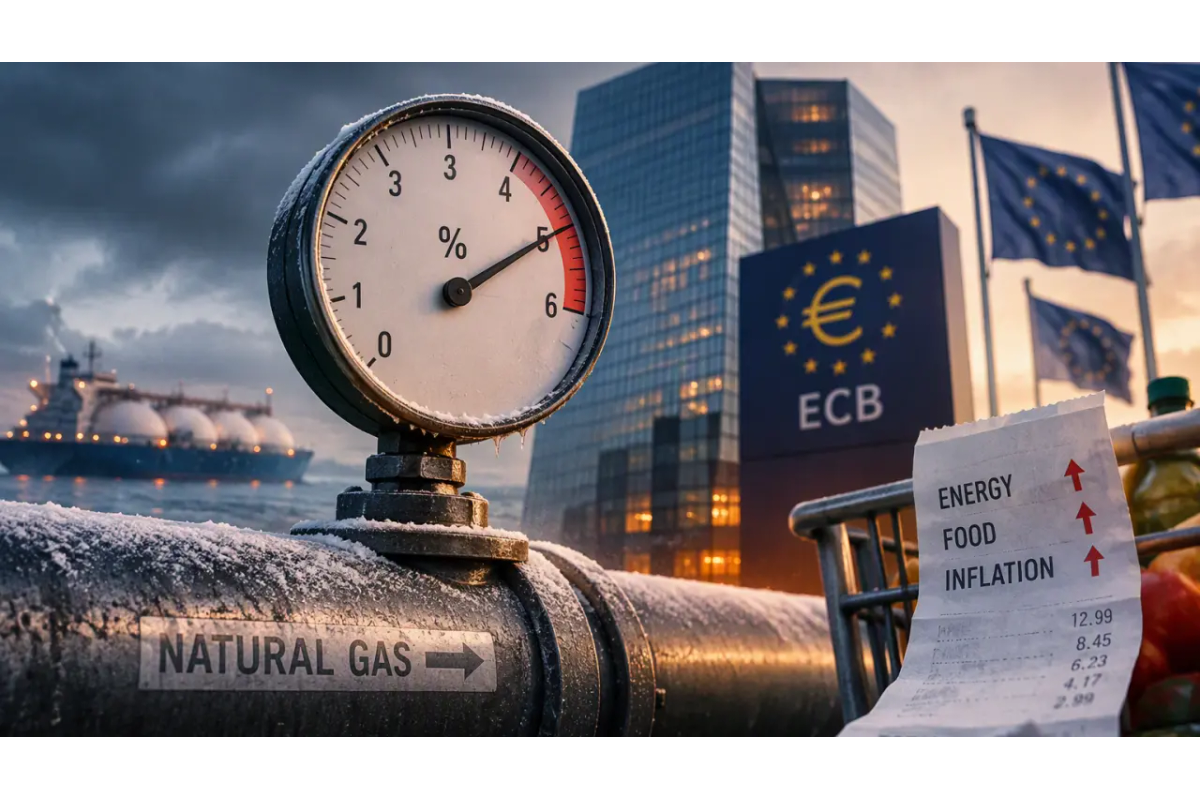
Eurozone rates are still tied to oil prices in an almost linear fashion, with the front end most sensitive. This pushed 2y rates down by more than 10bp on Wednesday. The market is back to 'only' discounting 60bp of ECB tightening by the end of the year. Monday had still seen more than three hikes priced in. 10y rates still dipped by almost 7bp and the 10y Bund yield is back below the 3% threshold.
With broader risk markets still well-supported and equity markets in the US even marching on to new all-time highs, it appears that EUR long end rates can still gloss over some of the deteriorating macro data of late. This helps to keep the bull steepening/bear flattening dynamic of curves alongside swings in oil prices in place, with inflation still the primary concern.
Gilts to face renewed political uncertainty, but fiscal path unlikely to change
So far, gilt yields have not shown any signs of stress leading into the local UK elections on 7 May, but renewed political uncertainty could add to the upward pressure on sterling rates. A poor result for the Labour Party could, in theory, trigger a challenge to Starmer’s leadership. This could, in turn, bring back a political risk premium.
The chain of logic among investors looks like this: a new Labour leader and prime minister would likely mean a new chancellor. A new chancellor, under pressure to take the party towards the left to counter the threat posed by the Green Party, might be more pro-spending. That potentially means new, looser fiscal rules. And new fiscal rules would likely mean more borrowing. We, however, think a leadership change won’t materially alter the fiscal or Bank of England outlook.
Thursday’s events and market view
Headlines around a potential Iran deal will keep markets on their toes. Elsewhere, the UK will hold local elections which can determine the fate of PM Starmer.
In terms of data, the focus remains on the US jobs market. Ahead of Friday’s official jobs report, Thursday sees the releases of the Challenger job cuts data for April, weekly jobless claims numbers and consumer credit data for March.
There will also be a busy slate of central bank speakers. From the ECB Kocher, Villeroy and Schnabel will speak, while the BoE will field Lombardelli and Mann. We will also hear from the Fed’s Kashkari, Hammack and Williams.
In the primary government bond markets, Spain will auction 3y 10y and 20y bonds as well as linkers for a total of up to €6.75bn. France auctions 10y, 15y, 20y and 30y bonds for up to €13.5bn.


Comments
Log in or sign up to join the conversation.