


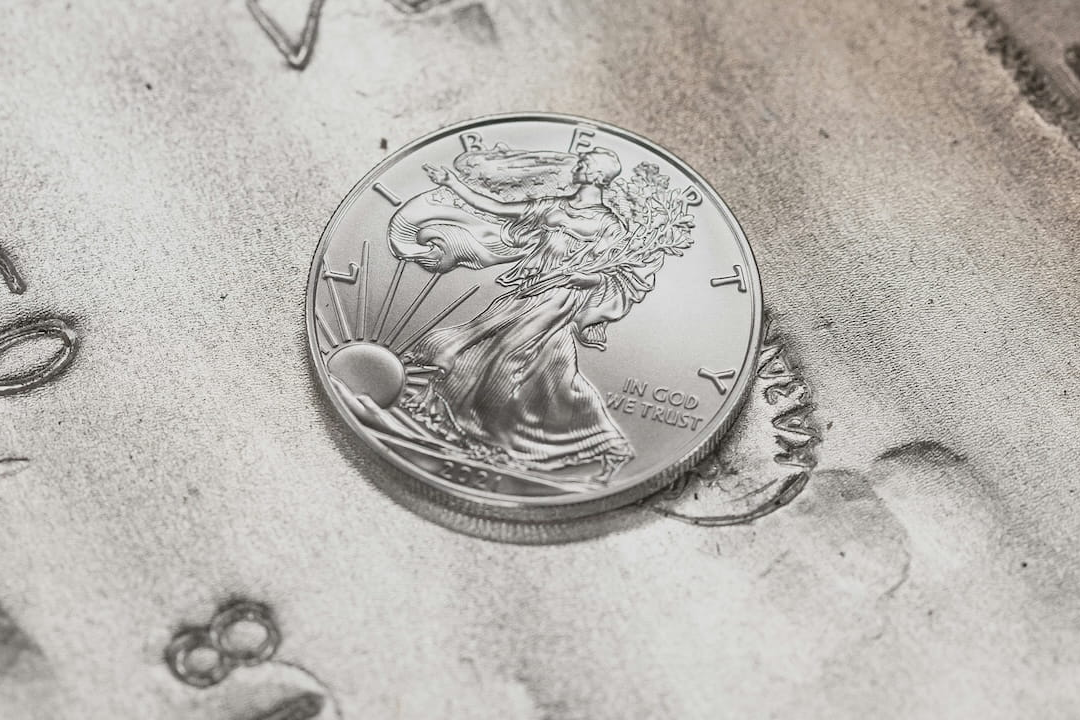
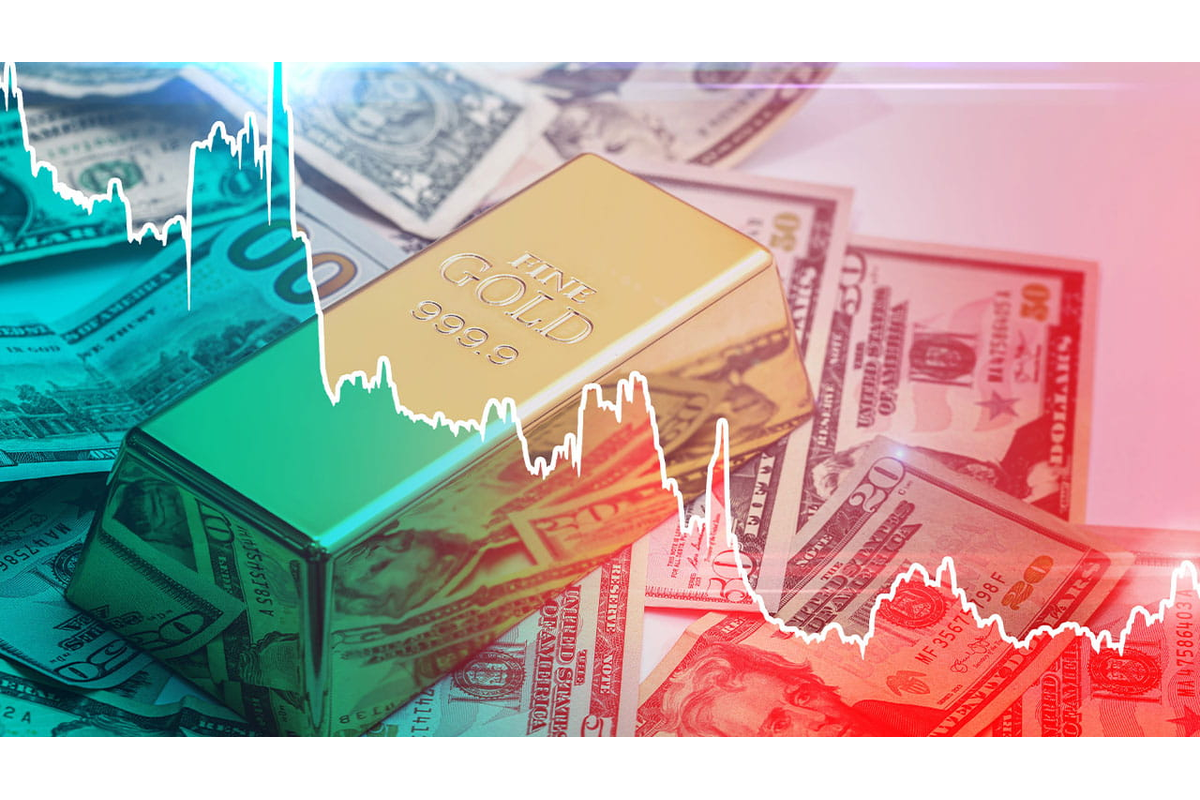
Gold and silver took it on the chin again on Wednesday. Gold fell below $3,750, and silver crashed through $46.
Why?
Fed people said some stuff.
The Federal Reserve released the minutes from the October meeting on Wednesday. Unsurprisingly, it reflected significant hawkishness among the committee members.
The minutes described inflation pressure as “broad-based,” and the committee essentially promised future rate hikes.
“Almost all participants judged that, under their baseline outlooks for inflation and the labor market, further action to raise the target range for the federal funds rate … would likely be appropriate, in order to ensure a timely return of inflation to the 2 percent objective.”
During an interview aired by CNBC, Fed governor Christopher Waller doubled down on the hawkish talk. Apparently, he doesn’t share Kevin Warsh’s aversion to “forward guidance.”
Waller said inflation is “heading in the wrong direction and is spreading out,” emphasizing that we can't blame every rising price on the oil shock. He insisted, "If you really want to get it down, you've got to start taking aggressive actions," hinting at a 50-basis-point rate hike in December.
So, there ya go! Rate hikes are locked in. Sell your gold and silver. Interest rates will remain higher for longer.
Will they, though?
Tunnel Vision
Before examining the assumptions more deeply, I have a more fundamental question.
Are we obsessing too much about what the Federal Reserve might do without thinking through all the possible ramifications?
The markets seem to have tunnel vision right now. All they can see is “the Fed hiking rates” and “interest rates higher for longer.”
News Gold Letter publisher Brien Lundin said the markets seem to have developed an “obsession” with Federal Reserve monetary policy.
“While it has always been an important factor in market analysis, it has grown to be the all-important consideration ever since the Great Financial Crisis. Like suckling piglets fighting for access to their mother’s milk, traders have been blinded to anything else in their investment decisions.”
He also pointed out that their addiction to easy money has made the markets “tolerant to the drug of monetary adrenaline, while also heightening their response to any indication of potentially hawkish policies.”
Lundin thinks this obsession has caused a bad case of tunnel vision, and mainstream market analysts are missing the big picture as they fixate on interest rates.
“What both the Fed and traders are ignoring, of course, are the long-term implications of higher interest rates.”
In other words, policies have consequences, and they aren’t always the ones you hope for or expect.
The Questions Nobody’s Asking
Everybody just assumes the Fed will hike rates and then hold them higher until inflation comes down. They also assume that it will work.
That’s debatable.
In the first place, what makes people think a modest 25-basis-point rate hike will slay inflation that has been above the 2 percent target for 68 months? Do you remember how much easy money central banks and governments created during the pandemic? Do you remember money creation during the Great Recession?
When the Fed launched quantitative easing (QE) in 2008, Ben Bernanke insisted it was a “temporary” emergency measure. He swore the Fed would only hold those bonds on its balance sheet for a short time. He promised that the Fed wasn’t monetizing the debt.
Nearly 20 years later, the balance sheet is multiple times larger than when Ben made his promise.
When Paul Volcker tackled inflation in 1980, he quickly jacked rates up to 20 percent. I’m not suggesting the Fed would need to hike that high to drive down the current wave of inflation. However, it’s fair to question whether 5 or 6 percent interest rates are adequate for the job.
In that sense, I agree with the central bankers' rhetoric. Inflation is high. Inflation is persistent. The central bank needs to act.
Which kind of makes you wonder: why haven’t they done more? It’s not like the central bankers haven’t had time. It’s been over five and a half years since CPI was at 2 percent.
And why is the Fed running inflationary QE operations right now, even as the committee members fret about too much inflation?
I’ll tell you why.
The massive debt black hole.
Mainstream analysis tends to avoid this issue like a stinky dog. They just tell us, “The Fed will hike!” and move along without considering what might happen when it does. I guess they assume that inflation will come down and the economy will march merrily along.
They might be right.
But they probably aren’t.
Economies buried in debt and addicted to easy money don’t fare well in a higher-interest-rate environment. The Fed people won’t say it out loud, but they know it’s true. They must be aware that if they keep hiking, they will collapse the debt-riddled bubble economy.
As already noted, most of that inflation generated during the Great Recession and the pandemic remains in the system. The malinvestments and resource misallocations inherent in easy-money eras were never cleaned out. We’ve enjoyed an easy money boom for nearly two decades. Do you know what comes after a boom?
A bust.
We’re due.
Rate hikes may well be the pin that finally pops the bubble.
You might want to think this through before you dump your gold and silver just because “rates are going up.”

Comments
Log in or sign up to join the conversation.