

October data points to a loss of momentum in Poland’s economy, with weak industrial and construction output and a cooling labour market. Inflation remains elevated, but the energy shock has yet to generate indirect or second-round effects. The central bank is ready to hike rates if needed, but does it need to?
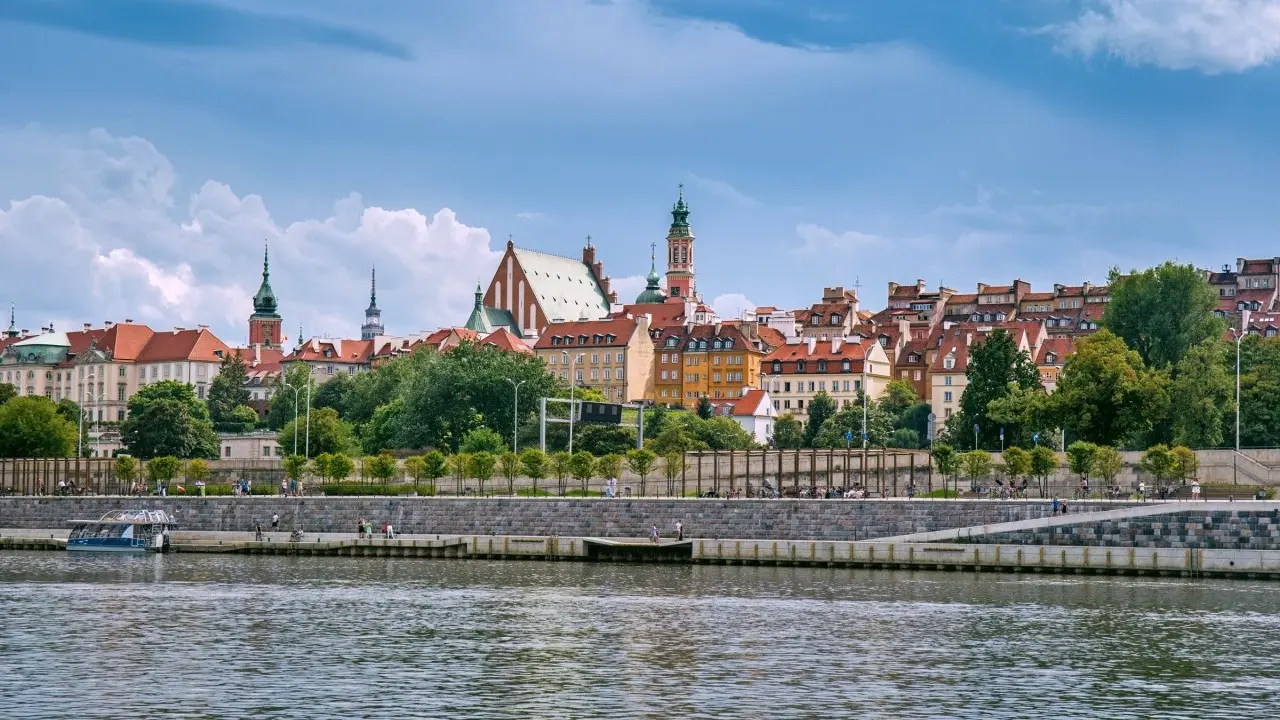
Warsaw, Poland
The latest batch of October data points to softer economic conditions in Poland than in previous months. Even taking negative calendar effects (one fewer working day) into consideration, annual growth in both industrial and construction output still came in well below our and market expectations. Producer prices are soaring, but consumer price growth remains driven almost entirely by higher petrol prices, while wage pressures remain contained.
Industrial output weak in October
Industrial output increased by just 0.1% year-on-year in October, remaining in positive territory only thanks to robust growth in mining (+9.3% YoY) and energy supply (+1.7% YoY). Manufacturing output fell by 0.4% YoY. Sharp declines remain visible in industries struggling with rising competition from China: wearing apparel (-15.9% YoY), textiles (-6.5% YoY), furniture (-6.5% YoY) and automotive (-6.6% YoY). Double-digit growth was recorded only in the manufacture of machinery and equipment (+18.0% YoY), and more broadly in the intermediate goods production (6.2% YoY), capital goods by (1.3% YoY), and non-durable consumer goods by (1.2% YoY).
Price growth in manufacturing accelerated to 8.3% YoY in October, but wage growth in this sector eased to 4.9% YoY, the slowest pace since February 2021. With pressure from rising energy prices mounting and Chinese competition at play, businesses are reluctant to raise wages. At the same time, wage demands remain contained as employment in manufacturing continues to decline.
Construction remains in contraction
Following a sharp decline in September (-9.0% YoY), construction output fell even more sharply in October (-9.3% YoY), as the boost from public investment, driven in part by the Domestic Recovery and Resilience Programme, is fading. By early October, the authorities had sent nearly 80% of Recovery and Resilience Facility (RRF) grants to final beneficiaries.
Building construction remains weak as the housing market continues to suffer from oversupply, while civil engineering is losing momentum. We are still trying to determine whether the double-digit increase in construction output ahead of the August RRF grant deadline cannibalised activity in the months that followed. However, with a significant pipeline of RRF transfers (mainly in the form of loans) yet to be disbursed, the construction sector should continue to receive support in the months ahead.
Labour market not generating price pressures
The average wage in the enterprise sector rose by 6.1% YoY in October and has stabilised at around 6.0% YoY in recent months. Higher fuel prices, and consequently higher CPI inflation, have translated into slower real wage growth in recent months. There are no signs that employees are demanding higher wages to compensate for faster price growth.
Downward pressure on real disposable income, together with an elevated propensity to save, is translating into slower consumption growth. This should reduce price pressures in the economy, or at least keep them concentrated in areas directly affected by the current energy shock. Weak demand may also discourage businesses from raising the prices of their products.
Rate hikes uncertain as the economy slows
Since the outbreak of conflict in the Middle East, the market has continued to price in substantial monetary tightening in Poland (currently 75bp), but the picture is more complicated than elevated headline inflation alone would suggest. Headline inflation is high, the prolonged energy crisis increases the risk of broader price increases, other central banks are raising rates, and the zloty is weaker. At the same time, the labour market is cooling, wage pressures remain contained, there are no signs of indirect or second-round effects in price developments, and the domestic economy is clearly slowing.
A potential rate hike in the first quarter of 2027 could aim to prevent a de-anchoring of inflation expectations, although this may not represent a material risk given broader economic conditions. So far, the rise in inflation has been imported rather than driven by domestic factors.
The central bank’s macroeconomic projection points to high inflation in the first half of 2027, prompting more hawkish commentary from some Monetary Policy Council members – although the National Bank of Poland has softened its tone recently. We still expect monetary tightening in 1Q27, but the central bank could postpone the move until March or even deliver less than the 50bp of rate hikes we had previously expected. We still believe further rate hikes remain possible, as a longer-lasting or larger-than-expected energy shock may trigger broader-based price increases and eventually require a response from the NBP in the form of some monetary policy tightening.



Comments
Log in or sign up to join the conversation.