

Food prices tick higher due to African swine fever, but depressed demand keep price gains in check.
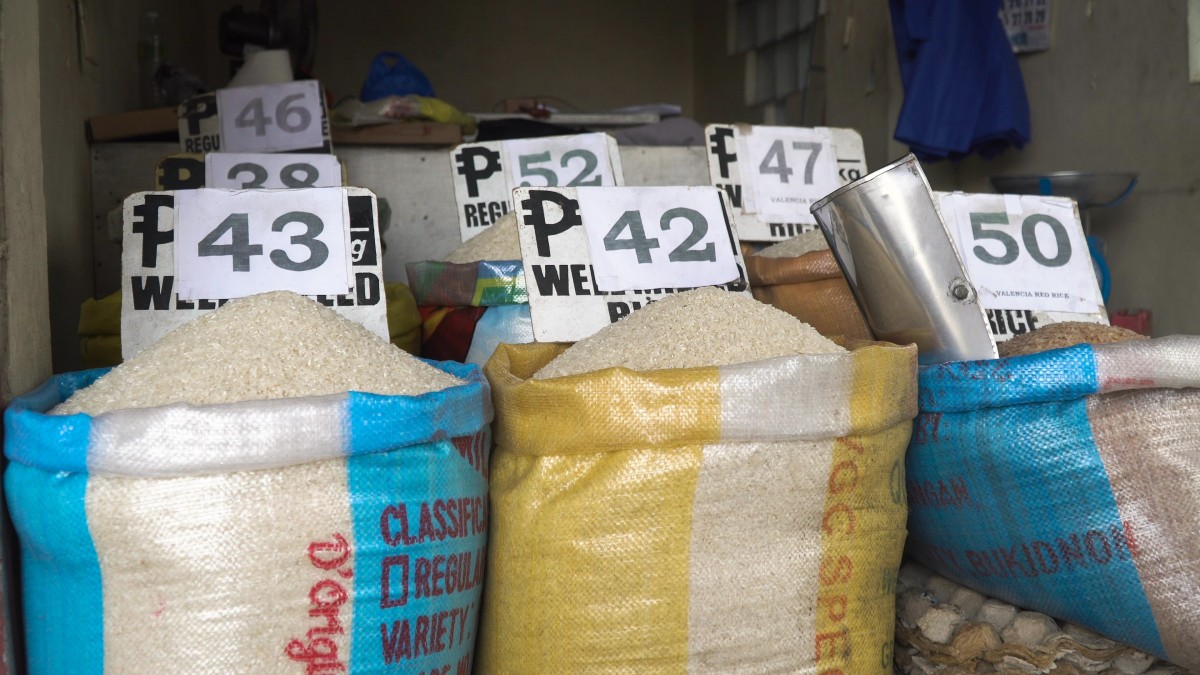
Rice for sale at a market in the Philippines
Stay up to date with all of ING’s latest economic and financial analysis.
October inflation inches higher to 2.5%
Supply-side factors nudged inflation higher to 2.5% in October (up from 2.3%) with index-heavy food inflation up 2.1% as pork prices rose due to the presence of African swine fever in the country. Transport prices accelerated 7.9% as quarantine restrictions forced public transport operators to hike fares in compliance with social distancing protocols. Inflation for education also picked up to 1.2% (from 1.0%) as the school year opened with distance learning likely tacking on additional costs for schooling. Depressed economic conditions however will likely keep inflation at the lower end of the Bangko Sentral ng Pilipinas’ (BSP) target-range of 2-4% for the balance of the year with BSP Governor Diokno indicating that “the balance of risks to the inflation outlook remain tilted to the downside”.
Philippine inflation

Source: Philippine Statistics Authority
BSP not expected to adjust policy anytime soon
Governor Diokno has reiterated that he will likely keep policy rates untouched over the course of the next two quarters with real policy rates now negative (-0.25%) and after rolling out a series of aggressive rate cuts in 2020. Diokno did note that he would take the latest inflation reading and next week’s 3Q GDP report into consideration at their next policy meeting but we forecast a pause from BSP well into 2021. We expect inflation to settle at 2.4% for the year as anemic domestic demand keeps a lid on price gains with BSP content with providing liquidity support via its bond purchase program to help stimulate the recovery.


Comments
Log in or sign up to join the conversation.