

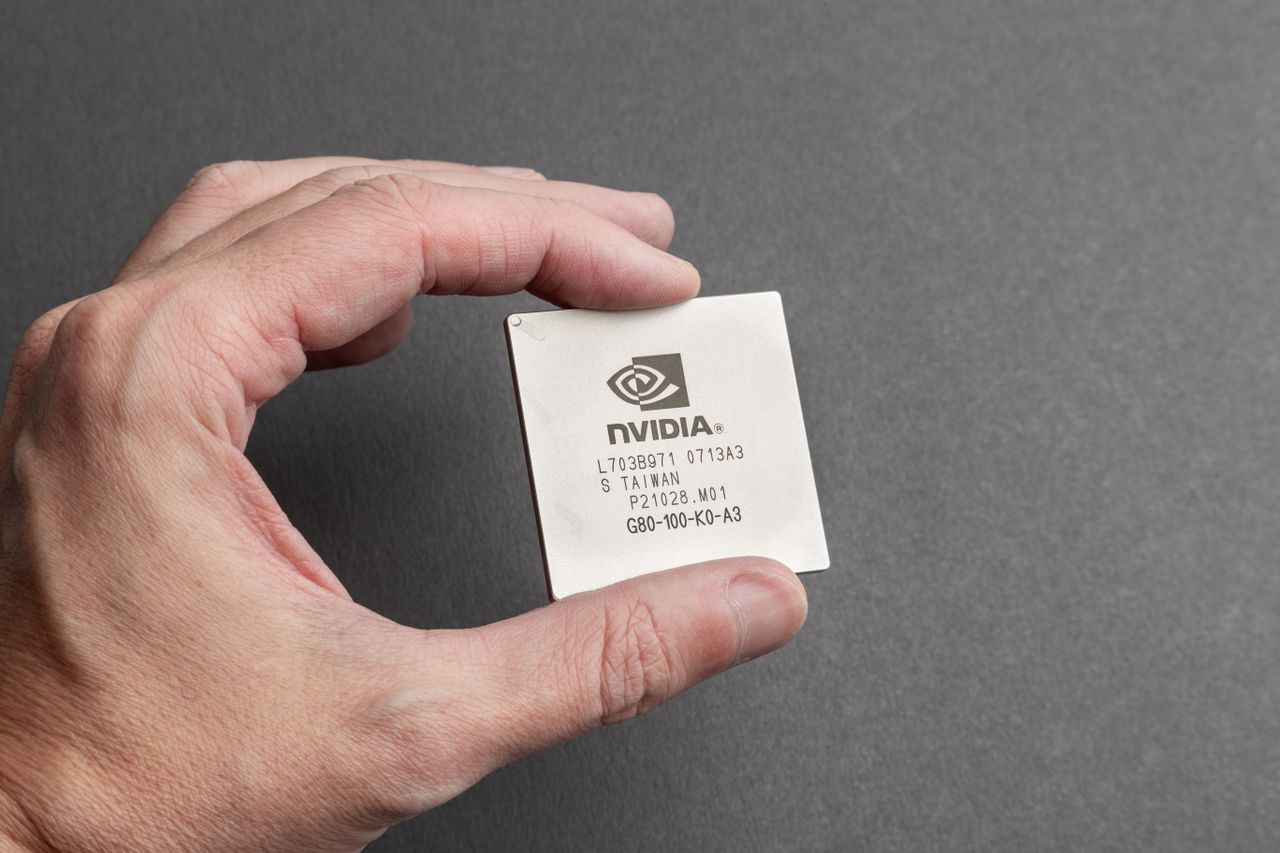
Nvidia (NVDA) dropped to $148.80 on Thursday after the company announced that co-founder Jensen Huang had resigned as CEO. Buyers stepped in and lifted the stock to a $166.19 close, leaving it down 4.34% for the session. The market is now trading near $169 on Friday. The rebound puts Nvidia back near $167, a level that has drawn buyers before. The bigger test comes on November 17 when Nvidia reports earnings and investors hear how interim CEO Colette Kress plans to manage the transition.
Nvidia’s CEO Transition Puts Earnings Guidance in Focus
Nvidia’s board appointed Kress, its longtime finance chief, as interim CEO while it looks for a permanent successor. She will continue as CFO. The board said it expects Nvidia to keep delivering on its customer commitments and product roadmap. That gives customers some reassurance ahead of earnings. Investors will want to hear whether Nvidia can keep Blackwell shipments on track while it brings Vera Rubin systems to market. The timing matters because a delay could shift sales between quarters and change the revenue outlook.
S&P Global’s Visible Alpha consensus puts fiscal third-quarter revenue at $109.3 billion, including $101.8 billion from data centers. That is about 93% of expected sales. The market estimates for the data center segment range from $99.7 billion to $110.8 billion. The range leaves room for a sharp reaction to the report. A strong quarter would help, but the next quarter’s guidance may matter more for the stock. It will show how much demand Nvidia expects to turn into sales as customers move to the next generation of systems.
The leadership change also comes as lawmakers take a closer look at the exports of advanced chips. Senate Banking Committee Chair Tim Scott asked Huang and Commerce Secretary Howard Lutnick to testify. The request keeps Nvidia’s access to China in focus as Kress takes over. For investors, the financial question is how much room Nvidia has to sell into China under U.S. export rules. A clearer picture of where Nvidia can ship its chips would make it easier to assess the company’s longer-term sales outlook.
The trading on Thursday showed how much of the selling was concentrated in Nvidia. The Nasdaq-100 fell about 0.3%, compared with 4.34% decline in Nvidia. Vanda Research estimated that retail investors bought a net $111 million of Nvidia shares in the first half hour, a record for the stock. That buying helped Nvidia recover from its early low. Earnings will test whether investors are willing to keep buying once they have an updated sales outlook.
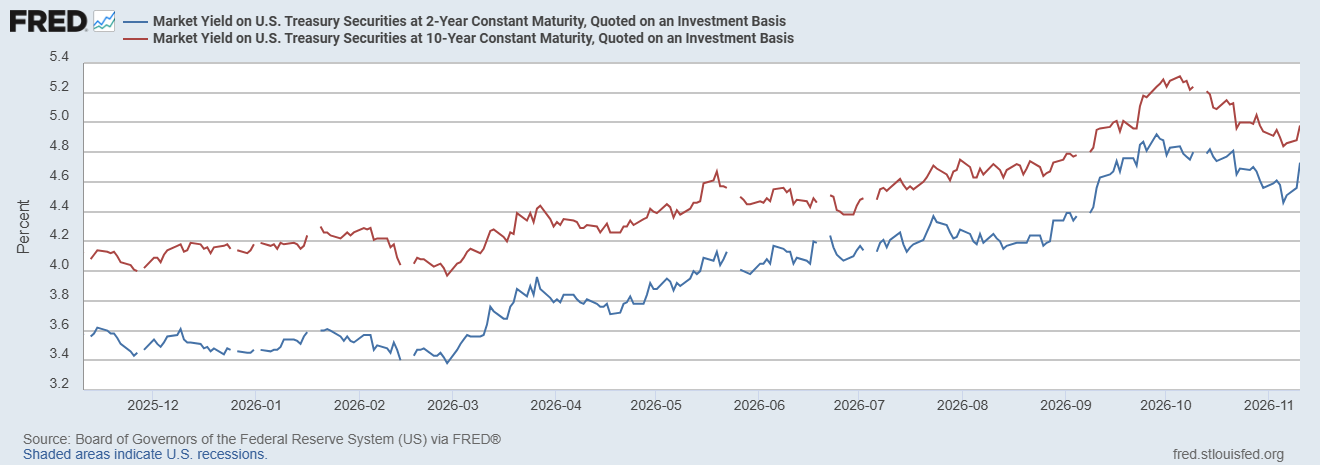
The bond market adds another risk. The U.S. two-year Treasury yield reached 4.86% on Thursday, up from 4.73% on Tuesday. The 10-year yield rose to 5.10% from 4.98%. Higher yields reduce the present value of future profits, which can make it harder for growth stocks to extend a rebound.
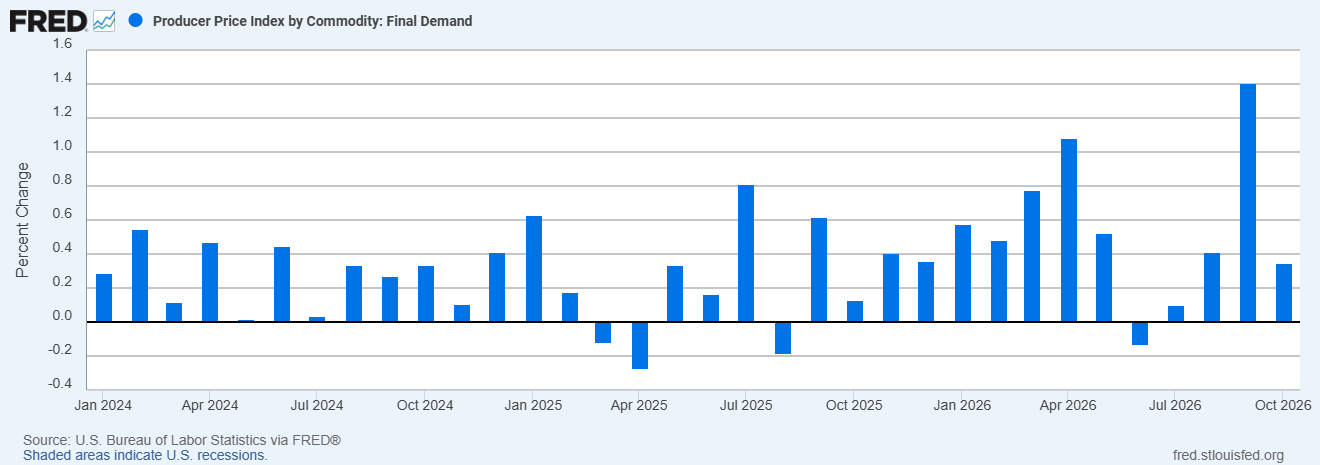
Friday’s producer price report offered some relief on the headline figure. U.S. producer prices rose 0.3% in October from September, below the 0.4% consensus. Prices still rose 6.5% from a year earlier, the largest annual increase since November 2022. Prices excluding food, energy and trade services rose 0.5% for a second straight month. The softer headline gives bond yields room to ease, but the rise in underlying prices makes it harder to count on a sustained drop in yields.
Nvidia Technical Outlook Hinges on $167 and $152
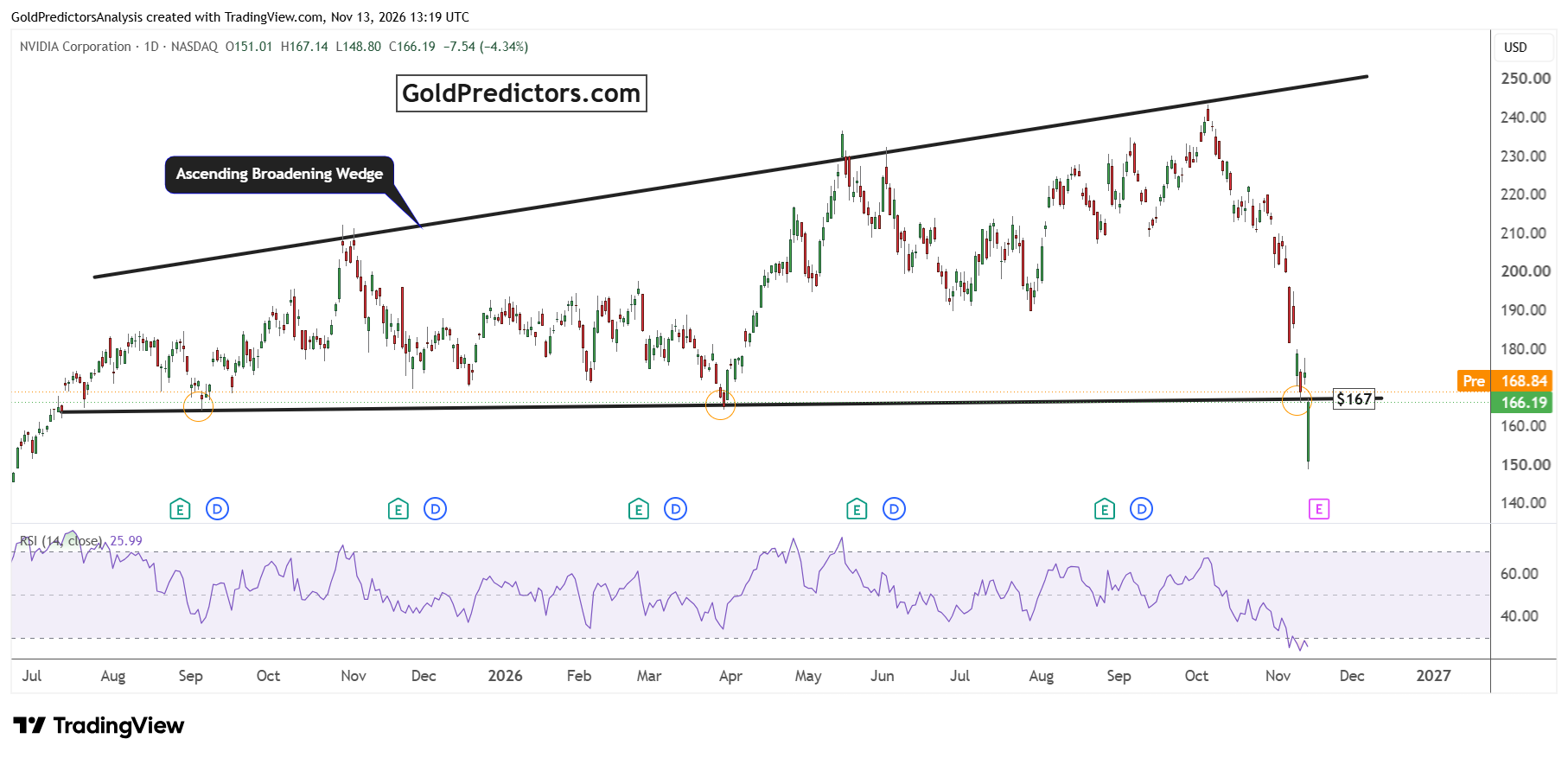
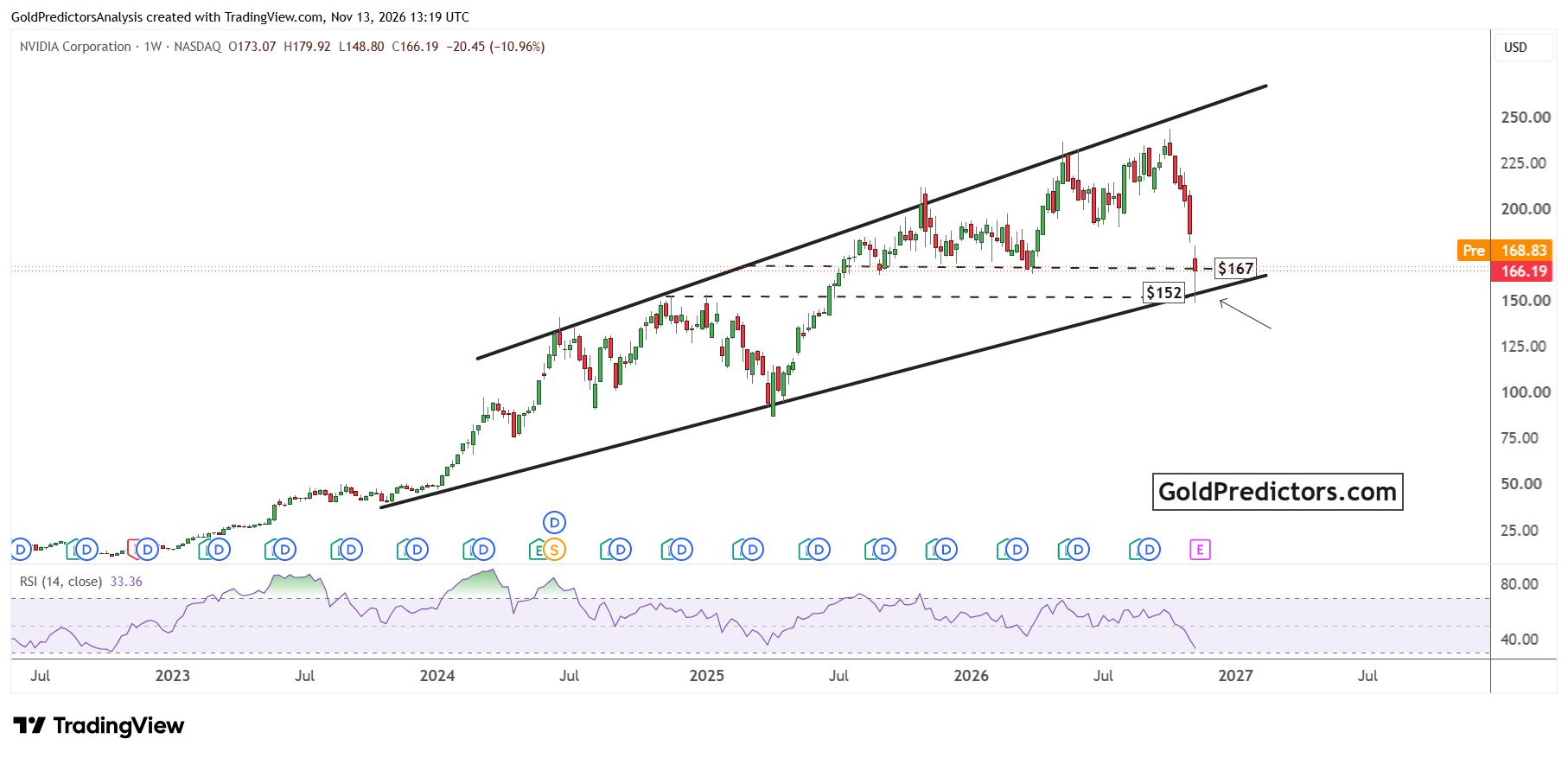
The daily chart shows Nvidia testing the lower edge of an ascending broadening wedge. Buyers previously stepped in near that boundary in September 2025 and again in late March and early April 2026. On Thursday, the stock opened at $151.01, traded as low as $148.80 and recovered to $167.14 before closing at $166.19. The size of that rebound shows buyers were active near $150. The close still left the stock just below the $167 area that marks the lower edge of the wedge.
A daily close above $167, followed by a session that stays above it, would strengthen the case for a move toward $173–$180. That area includes this week’s opening price and its high through Thursday. If sellers turn the stock back at $167, the $152 area and Thursday’s low come back into view. The daily relative strength index is near 26, below the usual oversold threshold of 30. That raises the chance of a bounce if selling eases. A recovery above $167 would give the momentum signal more weight.
The weekly chart shows the decline within two rising trendlines. Its lower trendline runs near $152, close to a former resistance area from late 2024 and early 2025. Thursday’s sell-off briefly pushed below that area before shares recovered. Nvidia was still down nearly 11% for the week through Thursday, and weekly RSI had fallen to about 33. A weekly close below $152 would weaken the longer-term chart. A break below $148.80 would put the stock beneath the low where buyers stepped in on Thursday.
Final Thoughts
Nvidia’s next earnings report will give investors a better sense of what the leadership change means for the business. The first things to watch are data center guidance and any changes to the Blackwell and Vera Rubin shipment outlook. If Kress gives a firm delivery schedule and the company’s guidance points to sustained demand, buyers may have a reason to extend Thursday’s rebound.
For now, $167 is the first level that matters. A close above it would put the $173–$180 area back in play. If the rebound stalls, the $149–$152 zone will show whether Thursday’s buyers are still willing to step in. A weekly close below that zone would leave the stock vulnerable heading into earnings.

Comments
Log in or sign up to join the conversation.