

Helicopter money volatility is perceived as giving a 'green light' to markets in a dangerous way that could both lift prices higher while concurrently raising risk.
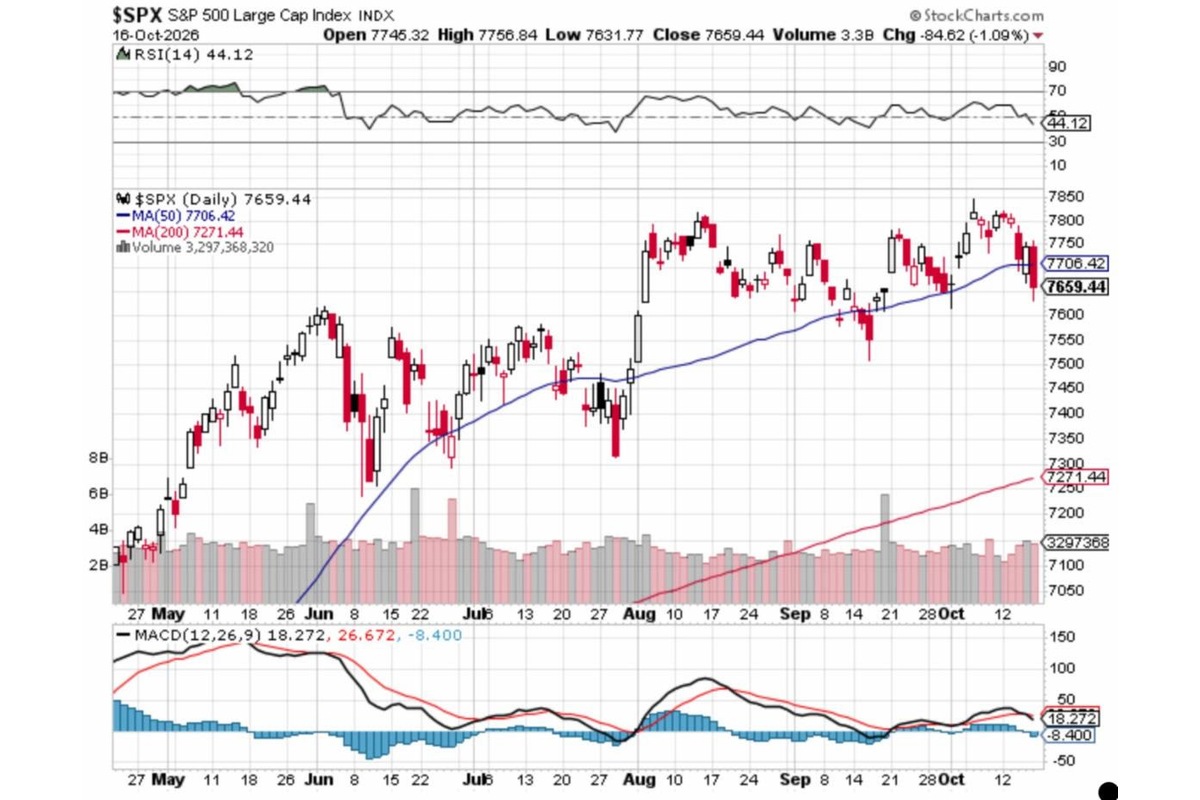
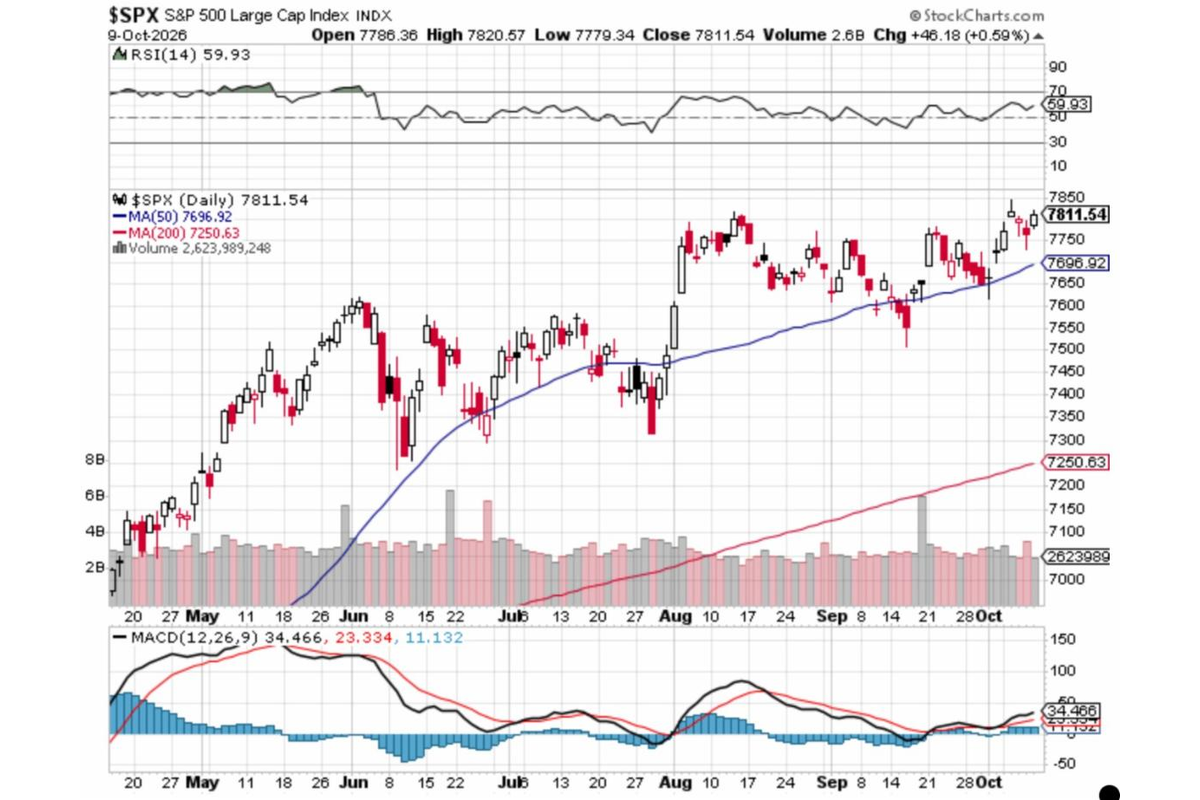
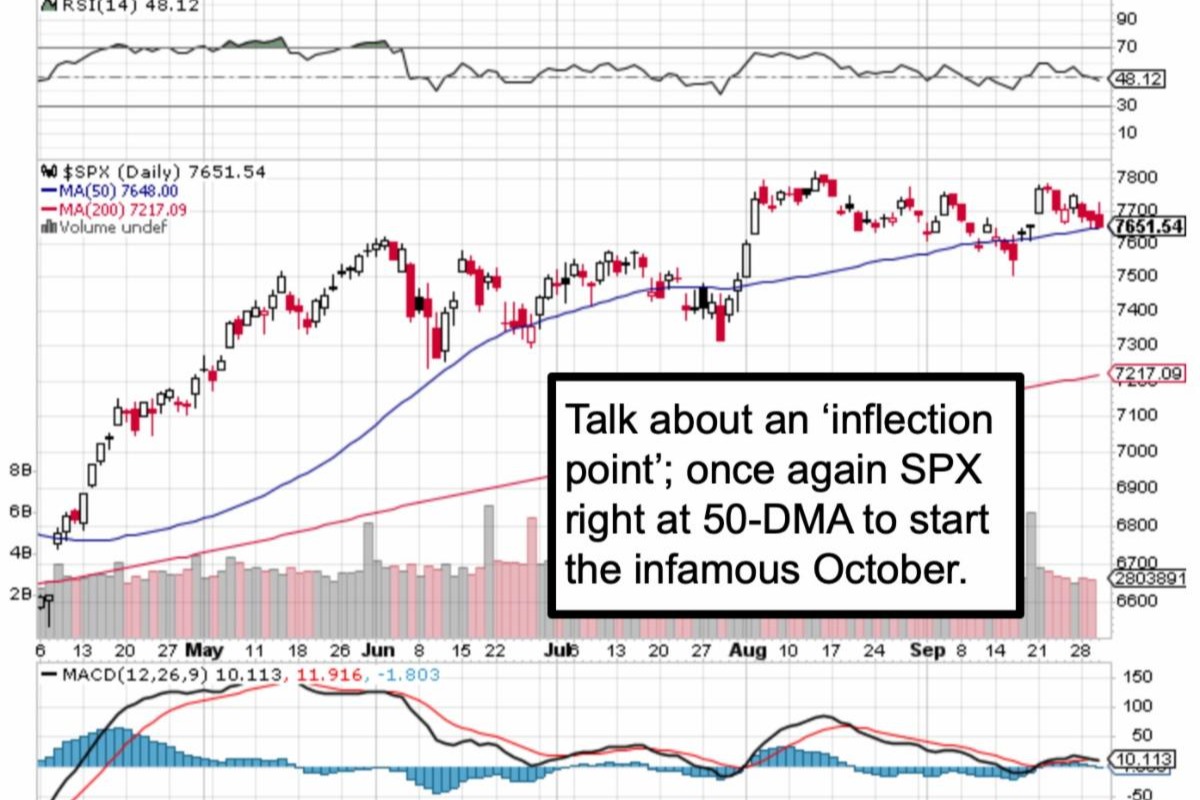
Technicals describe the upside breakout (really a panic scramble); while the view of fundamentals gets twisted to underestimate the concerns, as if earnings won't matter; as central banks return with desperate efforts to pour gasoline on fires at the same time they 'hope' somehow balance sheets will concurrently improve. In the past the earlier stages have indeed lifted financial assets; but not earnings or revenue (which has seen repeatedly lowered guidance) or global growth rates.

Last week we wrote about some sort of rumored Fed Meeting with the BoJ. Well it was former Fed Chairman Bernanke who went to Tokyo; triggering new rumors of helicopter money coming (not yet formerly announced as far as we've heard).
All I can say to that is the incredible debt-deferment to the future doesn't reflect a conventional form of expansionist monetary policy, but lifts stock markets with an incredibly rationalized optimism that presumes once economies recover (which is not assured by virtue of what's going on with the continued global sluggishness), money will slosh out of the credit markets into equities (presumably selling bonds to buy stocks). Of course the reality might have a curious way of doing otherwise.

Optimistic economists argue rates aren't low enough (insanity, by the way); while it's presumable Bernanke is arguing more stimulus will accomplish what stimulus so far hasn't (unless one simply presumes things would otherwise be even worse). Japanese industry is looking at cost structures; the Nikkei soars on expectations of more stimulus; and the presumption is that Bernanke isn't going to tell Kuroda to reverse everything the Bank of Japan engaged in (unsuccessfully) recently.
It is already affecting the markets; a note of caution should be injected. I might emphasize that Japan doing more of this expansion will not work; and that is not merely (notable as that is) because of Japan's deteriorating demographics.

Bottom line: the suspected upward extension didn't really pause, given injection of the 'emergency' moves (that haven't happened yet incidentally), by Japan. It's broadly presumed both they and perhaps China have more devaluations ahead. And it's presumed such policy moves push money into U.S. or even European assets (particularly corporates) as this July thrust moves into dangerous zones.
Bulls believe we are in a global recovery, but need something to kick the economy into high gear. Fiscal and monetary stimulus brought our economy from the brink of destruction to where we are today, they say; thus asking why would anyone think it should stop now.
Bears would contend that emergency stimulus was essentially coming off panic conditions years ago; and the U.S. Fed keeping up the policies for an extended period actually was counterproductive and inhibited a more robust recovery. At the same time bears (and any realist really) would recognize that competitive or persistent rounds of devaluations from abroad (especially China and Japan) are distorting matters in ways that levitate financial assets, drawing yield-chasing even further into what they don't see as a risk rat-hole of sorts.

We would be very cautious about chasing this new phenomenon market.
Comments
Log in or sign up to join the conversation.