

Economic slippage has been ongoing for a long time. Recall how I have emphasized that by the time we get a 'formal' recession declared, it will likely be near an end. We are certainly not there yet; and delays in a lot of areas that worry business, especially lack of a substantive or at least reasonable trade deal with China, increase downside worries.
All of this is 'after-the-fact' of a multi-month distributional pattern.
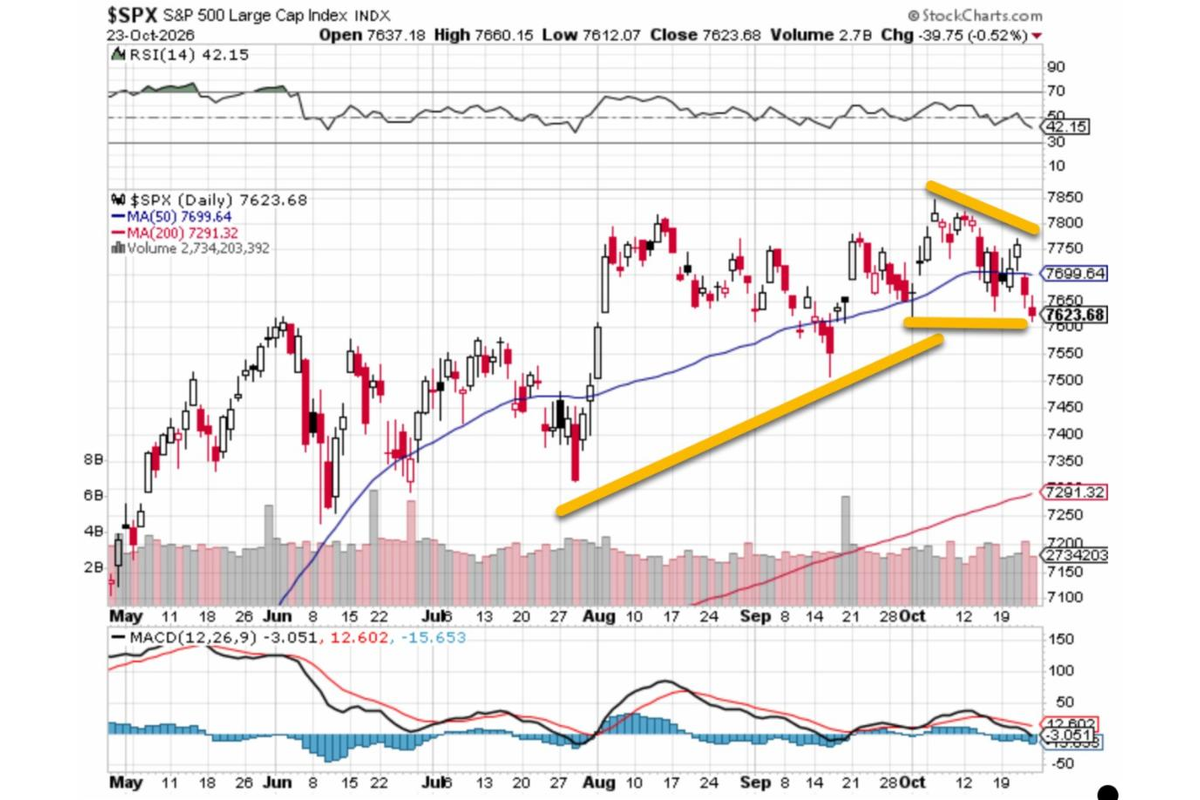
It is essentially our goal to identify the ebbs-and-flows as this evolves; at the same time we contend the market has broken from an ascending wedge (for the S&P) that was previously identified; so you have lots of money managers who chased the upside (or got complacent even with some absurd upside targets like 3400-3800 S&P that I called nonsense at the current time) .. these guys (no gals I know of) are panicking now, well after the market internals forewarned of forthcoming risks.
Now we'll not dismiss the political and global as well as monetary fears that encroach on what was already a technically-vulnerable market. It's just that capital flight has been going-on for many months; poor policies that are 'pushing on a string' with monetary policies prevails around the world it seems; and the geopolitical tensions related to feared repeat of the 1930's saga is out there; but not likely quite the same some infer. I spoke to that last night, so for various reasons, we need to not witness the world moving seriously to that degree of global disintermediation.

I also believe the domestic political scene gradually is intruding where it formerly was not, as relates to markets. Boy it's tough to sort out and no assessment is assured here. But imagine if the President were for a reason not to run; and Biden and/or Bernie dropped-out due to health, as a for-instance.. then what? Would you have Pence vs. Warren when we get to the Primaries? And how would markets respond to all that?
Oddly, the world might settle-down and adjust to it (some think; all that is subjective and unknown). Perhaps some semblance of stability may prevail; or by then Warren might drift to the Center (less extreme versus some speculation). But it's too soon to conclude 'that' as a big influence on the market; though it's increasingly going to be as we go forward. Mostly it's lack of trade policy improvement.

Sideline note: someone asked about the newly commission-free trades at larger discount brokerages. Well, firms make money on 'order flow', and on interest (on the float under management or margin etc.). Also Merrill EDGE has had zero commissions for 50 or 100 trades/month for years now for clients with sufficient assets at Merrill and/or B of A.
Perhaps the real reason for Schwab, eTrade, and now TDAmeritrade, is the disruptive influence of software-based (not full service) platforms like Robinhood etc., which really means battles forthcoming. As without commission there's no question most US investors will get more value from the newly commission-free full service websites, but they too will likely be laying-off more people and restructuring their staff operations to trim costs further. Fewer trading desks; too many oddly-structured ETF's of course, fewer trading desks (UBS was an early clue); and so on. Welcome to digital life.
In sum: noise exists from various areas (often depends on one's bias); while 'impeachment' -for now- is a sideline issue, whereas trade deals, or their absence, and poor economic activity with resultant shortfalls of earnings as I have outlined, combined with a technical breakdown.
All of it is far more significant, and anticipated, than trying to 'blame' all of the decline on a particular factor. Any number of contributing factors could be viewed as unique, as without precedent, or lacking monetary or trade comprehensive prospects. And all of it means uncertainty, that markets generally abhor and results in restraining buy-side interest.
With the S&P big-cap values ridiculously high (before and during this), it sort of looms over everything out there; including the trade talks. That of course will impact the market's daily swings; but not necessarily lots more than that for the moment.
Bottom line: we remain 'in' a weaker economic patch; not just going into one, as so many contend. Ultimately this market will anticipate the recovery; and that's out there, regardless of the daily drama concerns; with an understanding that the relationship with China means more for now than the political backdrop, that tends to dominate daily news.
The market wants progress in the 'trade war'; peace in Hong Kong (it's dicey and does matter); and less of the 'China ascendancy' campaign, that heretofore seemed to return to Beijing's aggressive mentality tone. I think their hesitance (probably not much longer) to march into protest crowds in Hong Kong militarily, reflects that they want a deal with the U.S., and not heightened tension. They also know how that would look to others in Asia.

An expansionist China is the outcome the U.S. is trying to deflect now (regardless of where things are in a decade). Meanwhile the Street is finding-out something that I have contended: that monetary policy is stretching what it can do here; and that matters. And they're learning that the partially-fabricated political tension isn't helping professionals in various departments get their jobs done; starting with State.
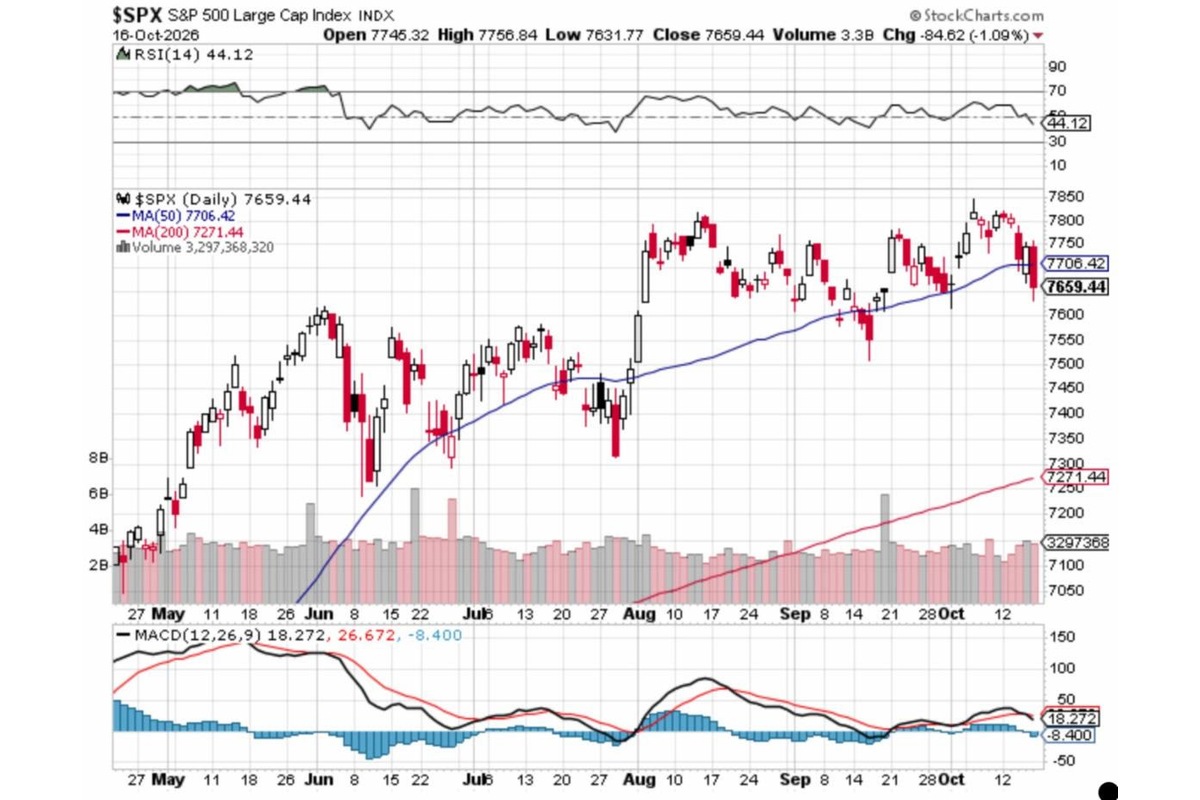
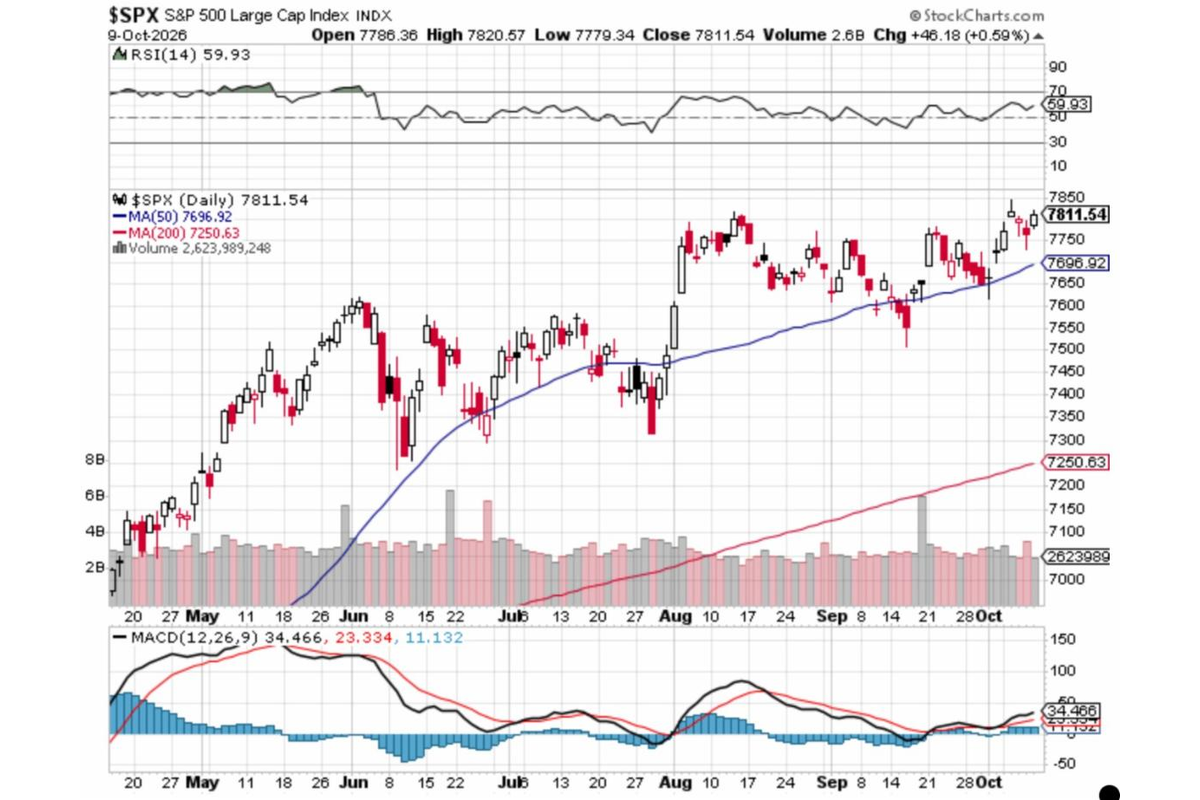
So for S&P, it's become sort of a binary alternative: get progress on trade, or test lower levels; or perhaps both (rebound higher to test-out resistance and then down). I suspect lower levels are on the agenda, as previously outlined.

Too many analysts and pundits keep telling investors 'where to look for buys', when they never addressed liquidating this past Summer, while they were busy being skeptical because they didn't believe our forecast move up from last Christmas. What you've seen in the bond market is also part of the dynamic; and as we get greater growth there's a risk in itself; and that is the dissolution of the TINA (there is no alternative) for equities approach; something we felt was artificially buoyed by FANG+ gains and buybacks in-particular; not based or attractive valuation.
Comments
Log in or sign up to join the conversation.