

Shrugging off data continues to be the backdrop for FOMC meetings as the slowing they refer to currently, has really persisted since roughly July of last year, just as we've suggested history would show. This time the Fed did acknowledge the slack but emphasized confidence in the future. The reality is that the Fed policy is based on 'normalization' not 'reflection' of conditions, though they'll hardly be expected to readily acknowledge that.

Against this backdrop of excess debt (in this case on the part of consumers more reluctant to part with funds in discretionary spending for which they've persistently engaged); pundits try to trumpet a 'better feeling' of optimism. It is suggested this brings higher spending expectations for restaurants and so on, from more 'disposable' income. Actually the preponderance of data still suggests otherwise, to wit: lower spending, with rising credit card debt, even a rise (not too bad so far) in credit defaults.

Plus low C&I loan demand recently shown, reflects on revenue prospects of the big banks now as well. Basically 'optimism' really means 'confidence' of a tax-cut and other growth aspects of the Trump Administration promised in ways we all know, but barely delivered yet, which is not surprising. That will relate to the extent (depth and duration) of periodic corrective moves.

For the moment, the Fed does nothing and will revisit the issues in June. I'd note that besides intraday short-covering Wednesday morning, you did see equities perk-up hours before the Fed decision not to move; and that was a very clear reflection on reports that 2 key Congressmen switched-back to be supporters of the Healthcare Bill; based on 'pre-existing conditions' clearly in the 'plan' for reinstatement to their satisfaction.

In-sum: The Fed did nothing, but pointed towards higher odds of a June hike in the Funds Rate of course. The presumptions about the economy are like the surveys, more truth in optimism, less truth to reports of spirited growth.
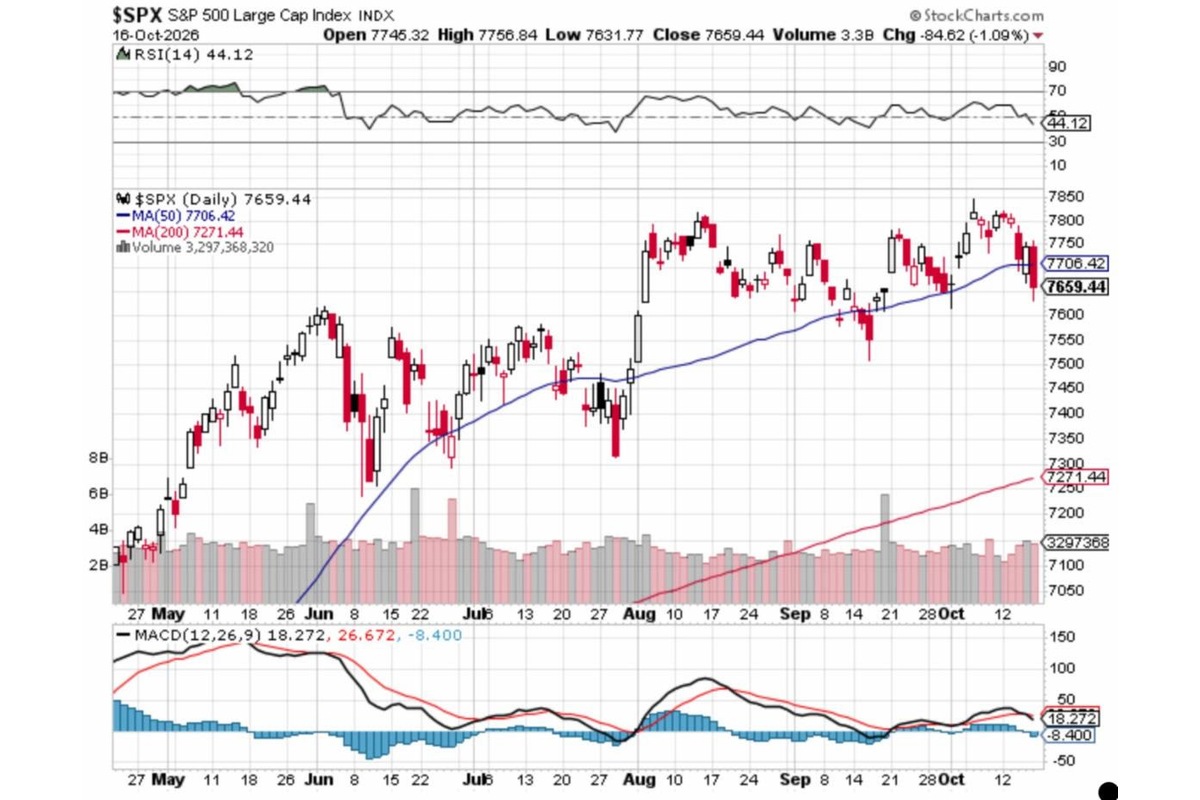
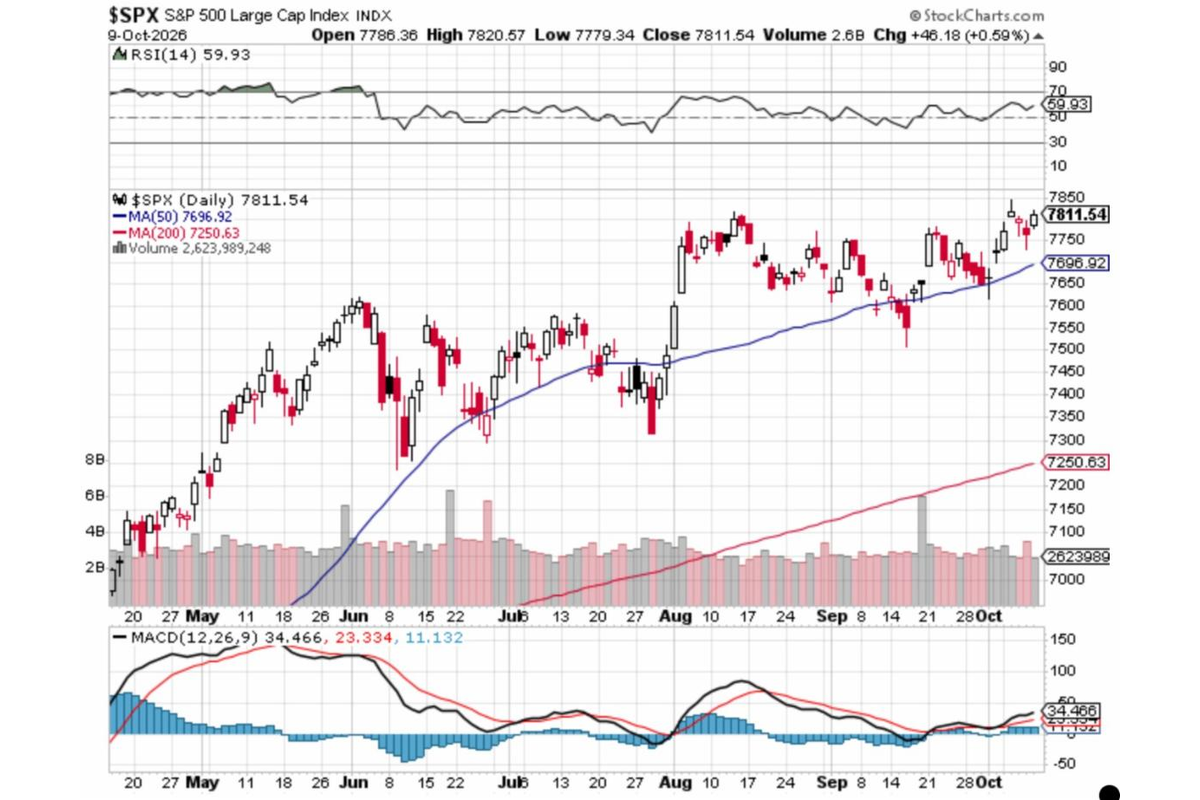
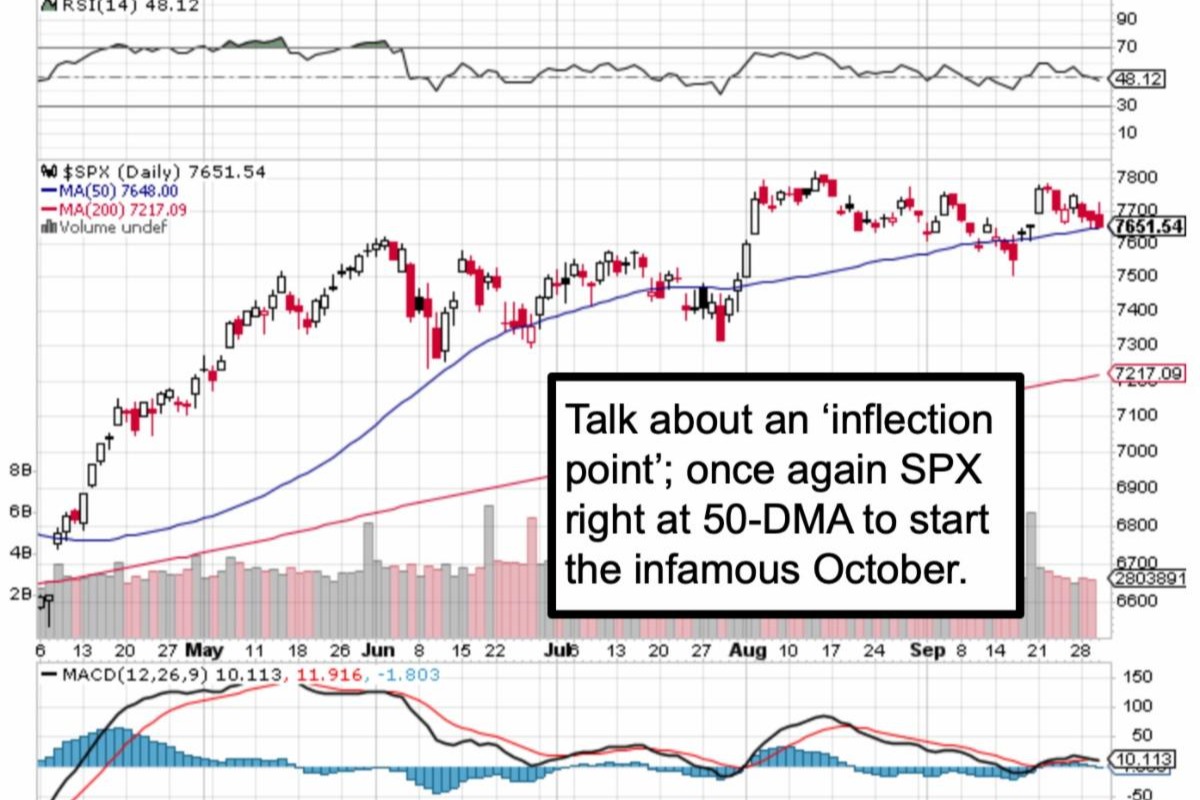
Having the Health Bill pass before 'recess' would at this point probably be sufficient to thrust the S&P to new highs, at least for a brief time, as we've suggested likely, before new corrections appear.

Comments
Log in or sign up to join the conversation.