

A 'stealth Depression' - is one way to describe how Chairman Powell in theory might view the economic picture, given his sensitivity to questions about worries (or in this case not worrying or not focusing) upon inflation and the implications, down the road, for maintaining such expansive monetary policies for so long.
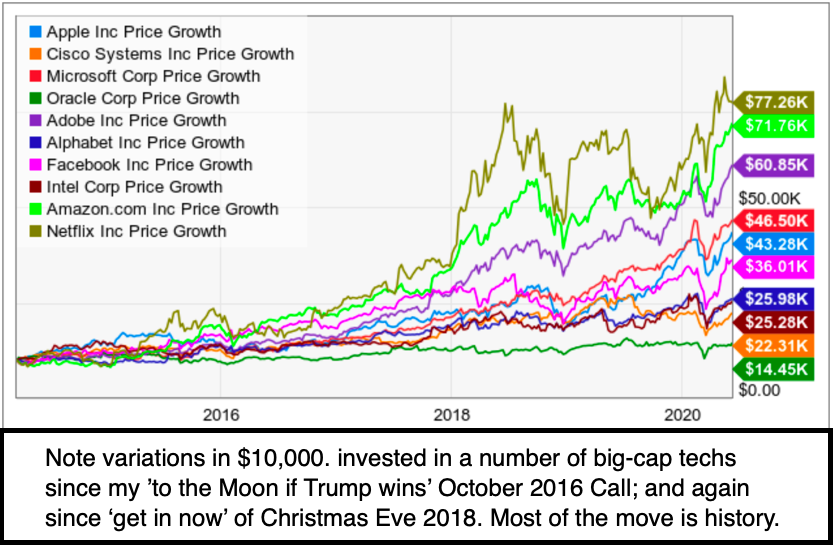
I'm on the same page, having forecast a robust stock market surge from right at the low on March 23, and during the move recognizing that we have a 'bipolar economy', with those that muddle through (or got Governmental assistance) sort of ok, while those who either didn't, or had their income throttled (such as being not out of a job, but with lower salaries hence less income so ineligible for relief provisions or Unemployment Claims), really felt like they were 'in-Depression'.
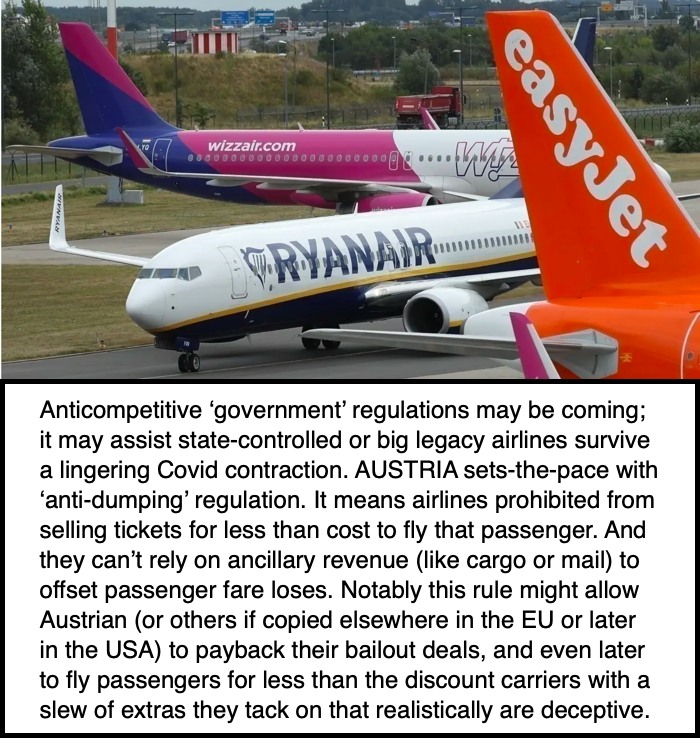
I'm in Florida so certainly saw that, notably even with hotel or tourism executives with a fairly high income and standard of living, suddenly hard-pressed to simply break-even, if they had high debt service on homes, cars and so on, which were more than reducing discretionary spending could offset. Anyway, example of the other side of the coin, from those whose income was stable and stocks rose. To that, I know a few personally who agreed with me in March, and have had really good percentage gains over the course of the last couple months. Most indeed were, as analysts and pundits disdain, not embracing Wall Street's warnings.
Executive summary:
- Most pundits continue to view the market as an unsustainable 'bubble', we do not, at the same time we are very open-minded to a correction.
- Shakeout should be here already, but barely is, and may expand a little, but again not across the board, to the chagrin of those wanting a huge setback.
- The sharp rise in COVID-19 cases and hospital capacity strains is evident, it's modestly alarming as such, since it was pretty obvious this would occur from the economic reopening and lack of social distancing and mask wearing.
- Meanwhile protests and more 'as if' that wasn't a risk, just made it worse, as forthcoming case levels in the next two weeks will make evident.
- Discipline is the key (and not an American pastime), which is why Taiwan or South Korea, or even Hong Kong, as well as some in Europe, do better.
- Every period like this ends with a shakeout, but it can be within context of an overall upward trend which can actually persist, especially in technology.
- The prospect of persistence overall is assisted by the Fed's 'green light' for monetary assistance, while they call upon Congress for Fiscal stimulus.
- So sure, if this is a 'stealth Depression', it's engineered by the Fed, to help get the majority of Americans (and businesses if possible) through what is a biological catastrophe, and not the financial Depression longer-term.
- History shows that aggressive monetary action can mitigate the impact of a non-financial plunge, and that's why we fundamentally stayed positive after the projected downside entered the capitulation back in March.
- At the time I took the view that the key was getting a 'therapeutic drug' well before a vaccine, taking 'death off the table' as a probable outcome.
- We're almost there with the drug (Lilly and others), (LLY) and closer with medical staffs simply more familiarized with 'best practices' to care for serious COVID-19 cases, and I remain confident that by summer's end we'll be there.
- What that can allow (if certain influences don't plunder society in a quest to fix it, depending on perspectives remaining remedial not calamitous) is the eventual correction since our S&P targets are reached and exceeded.
- But retreat may remain tricky to play from a bearish perspective, other than some traders who so far have been defeated in every effort to try that, and largely because of the significantly divergent market sectors now.
- Too many analysts 'still' fight this market, deny the ongoing significance of extraordinary engagement by the Federal Reserve, and they need to grasp the facilitation of muddling through this situation with their assistance, even as we are entitled to some cooling-off period (at least) for the S&P.
- Also given the debt structure, there may be longer-term damage, but that's a topic I've often mentioned that won't confront this market as of yet; so as is the case with Chairman Powell's remarks, we won't focus on that as yet.
- Plus I've contended that the Fed would be super-accommodative as long as is necessary, and you heard more of that today, and that's no surprise.
- The 'defensiveness' Powell showed a bit of, was a constructive reflection of prioritization of underpinning the US economy recovery, regardless of what challenges they face down-the-line, that also shows the serious concern.
- By the way let me criticize HBO (a property of AT&T) (T) for pulling the classic film: Gone With The Wind, they gave-in to protests that the first-ever black female Oscar winner, portrayed a servant in the movie.
- This is what I'd call political correctness run-amok, applying 21st century 'new moral codes' to 20th century (and historically accurate) works of art, don't even mention the 'beheading' of Christopher Columbus statues.
- S&P technically remains extended, but 'may' be exhausted just short term, simply because too many were playing for correction, 'panning' the market; 'panning' the millennial's making money, and actually stoking extra upside.
- Generally pundits were and are too negative or even self-righteous as if the 'customers' (investors) couldn't possible be right for long, some go so far as to suggest they will all learn by losing money (so far the big guys lost).
- Of course I understand that thinking, that's how most learn by experience, but to say that to investors from the lips of a crowd that missed the whole move up makes me smile a bit (though I concur on 'some' sectors).
- Analysts are thrown-asunder by investors doing other-than the advice that was forthcoming from a majority of the Street's big strategists or pundits, and yet the so-called 'unwashed millennials' scored home-runs.
- We won't bemoan this because that same crowd got bearish into the hole as the market declined back in February and March (not to reiterate, but for any who don't know we caught that as well), some even called for horror after it was capitulating into a bottom, and many stayed bearish all the way up.
- Point is: buy when there's despair, fade markets when there's euphoria, and while open to correction, we do not view this as a broad euphoria, while we do view it as an area from which the S&P can retreat a bit, but not broadly as we return to a 'mode' concerned about a 2nd wave curve inhibiting lots of stocks, but not those that have benefited during the pandemic.
In-sum: the economy, sort of had what is called a 'soft-V' bottom. 'If' a therapeutic drug for Covid-19 does appear by late summer (well before a proven vaccine), we'll see the market do better, despite the nearly universal gloom among strategists and a few pundits, throughout the advance.
Comments
Log in or sign up to join the conversation.