

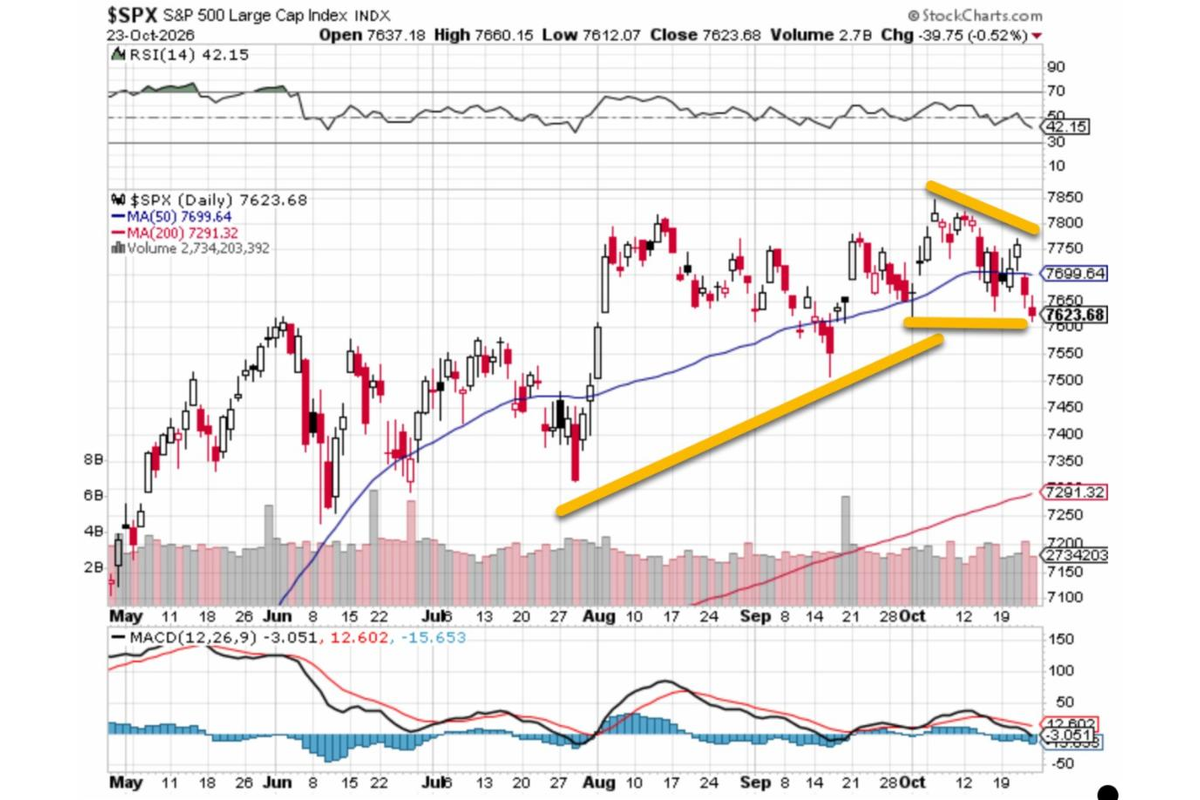
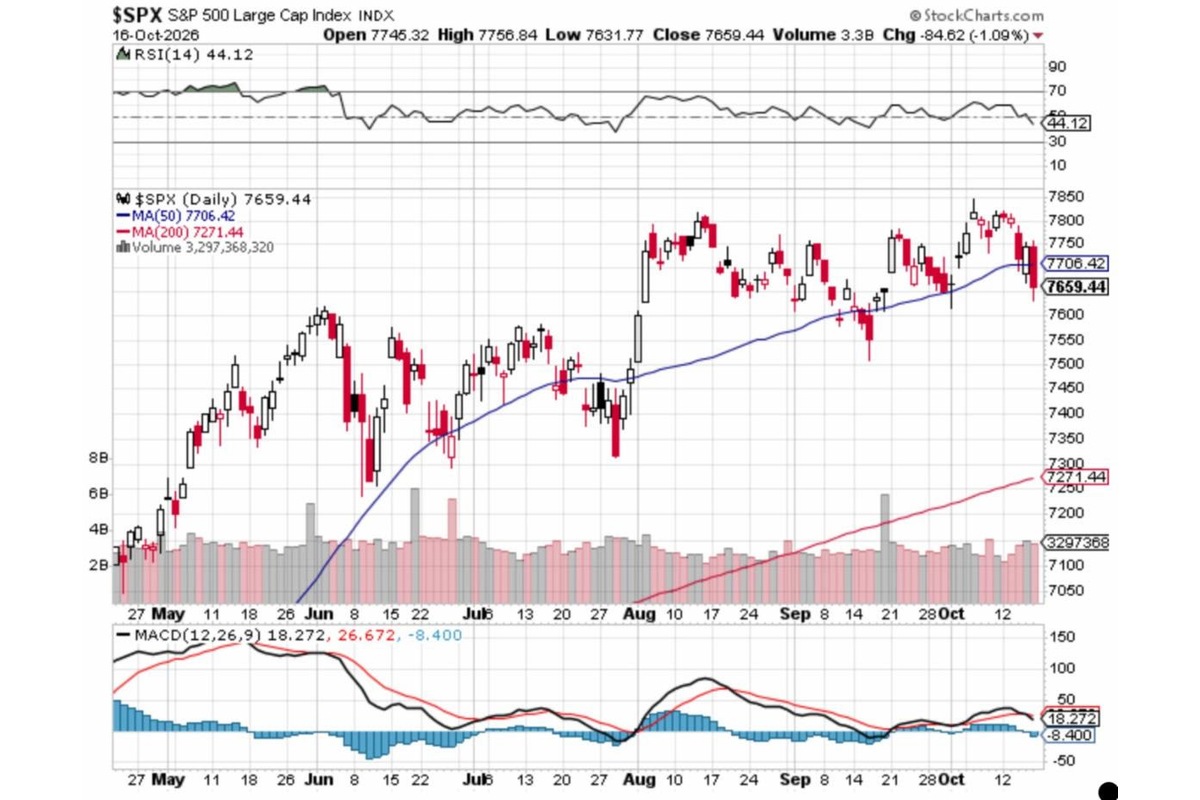
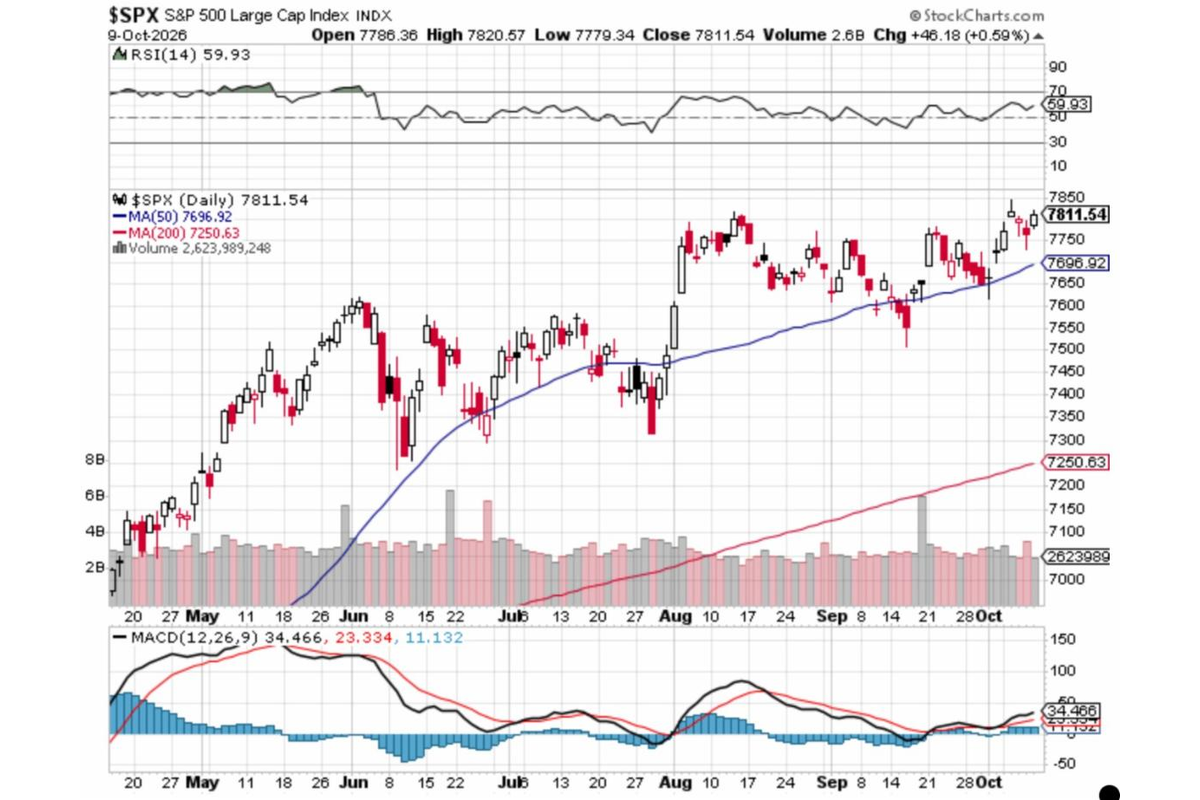
Will reality bite after this surge that approaches all-time S&P highs? Perhaps in some ways; but also likely only 'after' the celebration (that presumes markets get) after a long-awaited 'trade deal' with China.
Complacency has returned, in that pundits wax euphoric, surveys now suggest everyone is neutral or positive towards markets; which just as a notional aside, contradicts the majority of technicians we observed, really all year, constantly awaiting the long-awaited retreat.
One reason we thought markets don't respond to those who entirely missed the 'V bottom' December low (targeted for S&P 2300-2400), in fact did not relate to the psychological aspect of not letting them in (a factor of course); but primarily because Powell's Fed (which President Trump does not hate now contrary to media remarks, even though of course he wants Moore on the Board, and he'll be fine, even if he will not become the 'humorous' Chairman some ultimately long for him).
That's because Powell's Fed did not 'merely' accommodate Trump as is the conventional thinking; but instead Powell stopped his 'spin' that there was great growth, and bowed to the reality involving Europe and an FOMC's wish to work-down the Balance Sheet. He shifted to reality because he had too, and markets wouldn't stand higher rates amidst a continued economic contraction, which 'in reality' was ongoing for just about a year. In fact it's still ongoing; but gradually is ameliorating here and in Europe, and even in China... but it's gradual.

What can bite a bit may be more subtle; although again disrupted in a more favorable way should the timing of a China deal intercede. Just a for-instance: we're about 10 days from the Income Tax deadline, and it is not impossible that funding requirements intrude there just a bit.
By now many Americans realize they either get less refunds this year, or a large number (especially in high personal income tax states like NJ, NY or CA) have to come up with 'combined' Federal and state or in a couple cases (most property tax extension deadlines that now are not deductible beyond a point) extra payments not withheld for.
That can impact spending on discretionary items for middle-class folks that they normally use refunds (or surplus cash) to fund: vacations. It's perhaps one reason we see unprecedented low air-fares to Europe (it has long been the case for Asia; though that's starting to taper-off as some countries are now setting levels below-which airlines cannot dip into subsidies to offer airfare 'below the cost' to fly the passenger).
In this case several Asian airlines were notorious for capturing share this way; essentially forcing legitimate pricing below breakeven levels. This is not like 'normal' deep-discounting (such as Norwegian does on Transatlantic fares); which did bring decent pricing across the Pond.
After digressing from my point: lower tax refund or discretionary funds could indeed result in shorter or less-pricey vacations this Summer. Of course one might think families would pay off credit card, overall debt, or put money into savings; but most have kids and that means 'trips'. It is likely short trips (or closer to home) will characterize this Summer. If so that might not harm load factors on 'cruise ships'; but compel deals that area a little better for families; even if cruise line or hotel margins are pressed a bit. Disney World just 'increased' prices; and cleverly is opening an 'unfinished' Star-wars Park in late August to capture Labor Day crowds (who won't be thrilled that the key rides aren't ready).

In sum: none of this trips up the overall market trend for now at least; as we're making a point that the movement up is the reward for those who were long, who added in the liquidation wave last December, and who (as suggested) avoiding short-selling or bearish strategies.
Many smaller stocks have already corrected from their January Effect (or similar) rebounds, and are less risky relative to pricey big-caps that of course constitute the bulk of capitalization-based leadership now.
The lack of buybacks during a 'quiet time' now ahead of Earnings and guidance time, can also temper those incredibly expensive stocks. As the global slowdown transitions to a second-half recovery, we look for a turnaround, which really isn't there yet. The Semiconductors just as an example, are 'anticipating' a turnaround, which really isn't here yet.

Bottom line: ISM and Services sluggishness continuing pointing to an economic revival later this year; along the lines a year-long view that called this a 'technology transition year', which won't deny corrections in the S&P, but generally holds the primary uptrend together.
This denial of catastrophic bearish cases (they remain insane for now) do not negate pullbacks or even intermediate corrections (only if some events occur), or the impact of the SALT tax impacts on spending (will impact some sectors like tourism/travel possibly, more than others).


As to the Fed, this is nonsense about the Fed wanting ammunition for 'when' a recession hits. We've been in one, which is why lower rates in our view were justified (not the policy for the preceding ten years) for 2018 and so far this year; because recessionary condition nuances in our view have been out there (ignored for months by the Fed, then of course acknowledged belatedly in January by Chairman Powell). This supports my view that market talk about recession reflects what nearly is ending, not something beginning or forthcoming.
As to 'tax refund' absence (or sums due beyond withholding); refunds are ingrained in savings behavior, so it'll be hard to expect consumers accustomed to them to stop relying on refunds to cover vacations. In a perfect world withholding would leave no refund and nothing due of course; but we live in a world of unrealistic expectations, and where interest-free early 'loans' to Government don't even get questioned.

In sum: no basic changes for our overall views of a market capable of extending; but just in a guarded way. It measures higher, as its mostly fully-valued for big-cap leaders; hence vulnerable to shakeouts.
Comments
Log in or sign up to join the conversation.