

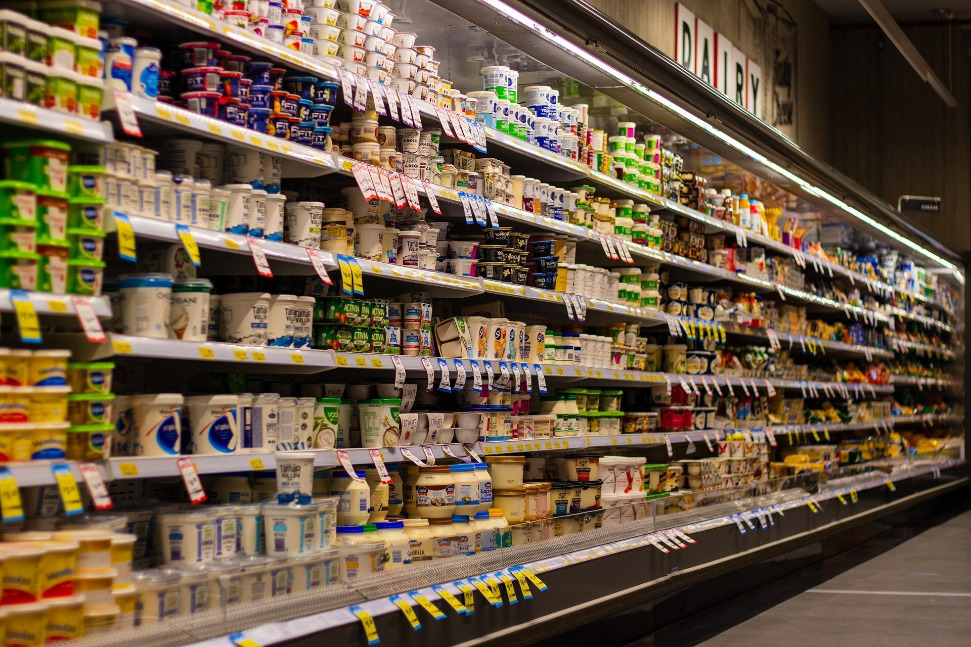
The Guardian has had a series of pieces in the last year looking at ways that stores and landlords rip off customers and tenants. In the case of stores, one piece found evidence that convenience stores charge prices at the checkout counter that are higher than the price listed on the shelf. A prior piece reported that Dollar stores also frequently charge people more than the shelf price.
Another one reported on fees and fines that landlords often impose on top of rent. In addition to these practices being unethical, and likely illegal, they also raise the question of whether they may lead to an understatement of inflation in the Consumer Price Index (CPI) and other measures of inflation.
The problem from the standpoint of the CPI is that the Bureau of Labor Statistics’ (BLS) price checkers would be recording the prices listed on the shelves. If the price people get charged when they pay at the checkout counter is higher than the shelf price, then the data they collect would be understating the true price of the product.
There is a similar story with rental fees. If landlords start to tack on fees for items that would ordinarily be covered by rent (e.g. garbage collection or normal maintenance) and these fees are not accurately reported to the BLS survey person, then the data would be understating the true rent that people are paying.
Whether these practices affect the CPI in an important way depends on two factors:
1) The size and extent of these concealed price increases;
2) Whether these are new practices.
The Guardian pieces provide some evidence to indicate they are large enough to make a noticeable difference in measures of inflation. The investigations of both the convenience stores (7-11 and Circle K) and the Dollar Stores found that gaps between the price at the checkout counter and the shelf were common. And they rarely make the mistake of charging people less than the shelf price.
The evidence in the convenience store piece suggests that the overcharges could be large enough to matter. It gives one example where the net overcharge on seven items was $9.30 on a tab of $52.17, or 17.8 percent. It also cites examples where the pump price for gas was around 10 percent higher than the price advertised on the station’s sign. (I believe a price checker would typically look at the pump price.)
The fees tacked onto rents were also large relative to the rents people were charged. The Guardian piece found that the fees charged by the real estate management company Greystar averaged 20 percent of rents for the units in question. It’s not clear if the practice of charging these sorts of fees is a common practice or whether Greystar is an exception.
It’s also not clear if it’s a new practice. If there are large fees being charged to tenants that are not picked up in the CPI, that would mean the price levels are being understated. But if these fees have been charged for years, it would mean that inflation has not been understated.
The findings of these investigative pieces raise important questions for our measures of inflation. If stores and landlords are ripping off customers and tenants, it is likely that the CPI is not capturing the prices people are paying. It is important to end these sorts of rip-offs, but it is also important to try to incorporate their impact in our price measurements.



Comments
Log in or sign up to join the conversation.