

Photo by Mark Finn on Unsplash
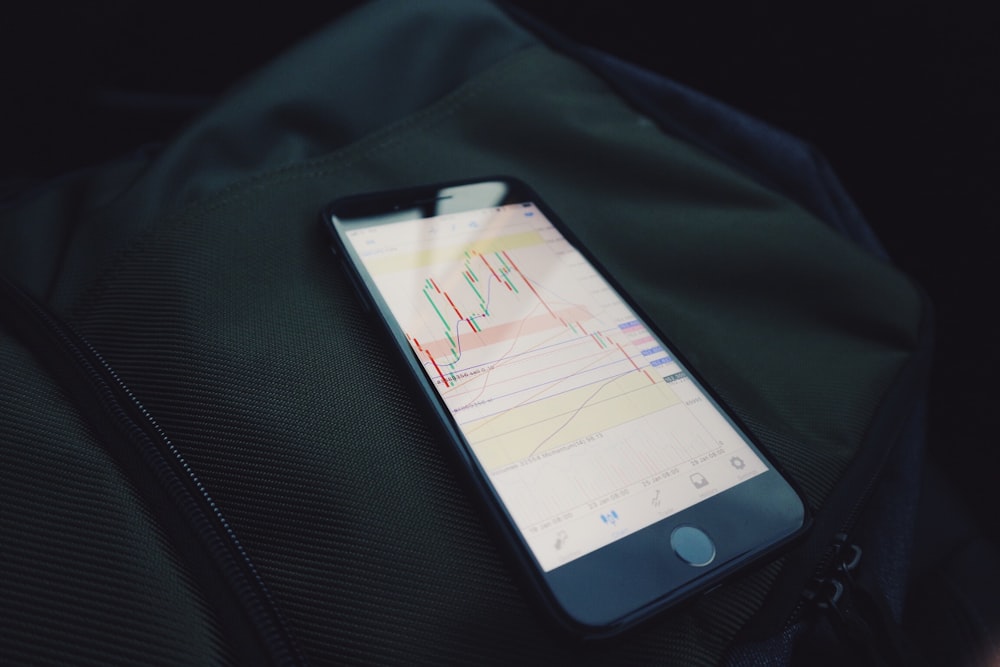
The foreign exchange market — or forex, as it's usually known — is the largest financial market in the world. With an average daily trading volume of $5.2 trillion, it's possible to trade forex 24 hours a day, five-and-a-half days a week. This makes it an attractive prospect for non-professional traders who can't monitor the markets during normal working hours.
If you're interested in forex trading but aren't sure how to start, read on. In this article, we'll be guiding you through the step-by-step process of starting to trade forex. Whether you're hoping to become a professional trader one day or simply want to make money on the side of a full-time job, find out everything you need to know here.
1. Choose Your Online Forex Broker
In order to start trading forex, you'll need to choose your online forex brokerage company, also known as a broker. There are thousands to choose from, so it's vital to do your research and read about best forex broker before you make an account.
The right broker for you will ultimately depend on your chosen currency pairs and trading style (more on those later). However, whichever site you go for, it's absolutely crucial that it's fully regulated in your country. If you're in the United States, this means your broker will be licensed by the National Futures Association.
2. Research Different Currency Pairs
When you make forex trades, you're converting one currency into another with the intention of cashing in on favorable exchange rates. You'll make a profit if you sell an asset for more than you paid for it, so it's a good idea to do some market research to find pairs that enjoy high levels of volatility.
The most commonly traded currency pairs are:
- The Euro and US dollar
- The US dollar and Japanese yen
- The US dollar and Swiss franc
- The British pound and US dollar
3. Decide On Your Trading Style
Another key decision you'll need to make before starting to trade forex is the type of trading style that suits you. The right style for you will depend on various factors, including your availability during the day, your level of experience, and how risk-averse you are.
Below, we've outlined the four main trading styles (or trading plans) which most investors choose to follow:
Day Trading
As you might guess from the name, day trading is when investors make a series of trades in a single day. This requires you to monitor the market throughout the day, so it's not necessarily a practical choice for those with intense day jobs — though there are now software packages that can automatically make trades on your behalf.
Scalping
Scalping is a short-term strategy where traders make very quick decisions, often making trades every few minutes Scalpers usually aim to make incremental profits rather than aim for big wins.
Swing Trading
Swing trading is a mid-term strategy. Traders usually hold assets for a number of days or weeks before making trades and will carry out in-depth analysis to predict the most successful currency pairs.
Position Trading
Position trading can be a good choice for investors looking for a long-term strategy. These investors predict upwards trends and hold their assets for weeks or months in order to cash in on favorable exchange rates further down the line.
Whatever style of forex investor you chose, we hope this article has given you a quick introduction to the world of forex investing.



Comments
Log in or sign up to join the conversation.