

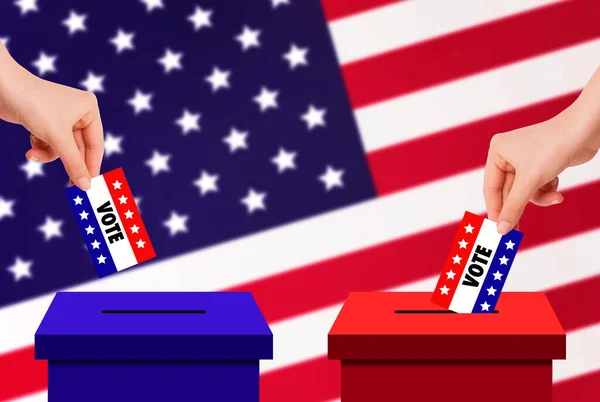
With the November 3 midterm elections approaching, attention is turning to what a change in congressional control could mean for the stock market. The results could influence government spending, taxation, and economic policy, but anticipating the election outcome is not the same as predicting how stocks will respond.
Markets adjust to expectations well before events occur. By election night, anticipated political changes may already be reflected in stock prices, leaving unexpected results with greater potential to produce volatility.
Historically, stocks have often performed well in the year following midterm elections. The third year of a presidential term has also tended to produce favorable returns. However, recent election cycles show how other economic forces can influence those results.
In 2018, the S&P 500 declined 6.2% amid Federal Reserve interest rate increases, concerns about global economic growth, and trade tensions. Stocks recovered strongly in 2019 as the Fed shifted toward easier monetary policy, finishing the year up nearly 29%, excluding dividends.
The 2022 election cycle followed a similar pattern. The S&P 500 entered a bear market as the Federal Reserve aggressively raised interest rates to combat inflation, reaching its closing low on October 12, nearly a month before the midterms. Stocks recovered in 2023 as inflation moderated, expectations for monetary policy changed, and enthusiasm for artificial intelligence contributed to substantial gains in major technology companies.
Both recoveries followed midterm elections, but the timing alone does not establish a connection. Interest rates, liquidity, corporate earnings, and economic conditions offered more direct explanations for market performance.
Political changes can have a clearer effect on individual industries. Defense contractors are sensitive to federal spending decisions, while changes in tax policy or regulation can alter corporate profitability. However, changes in congressional control do not automatically result in new legislation, and the financial consequences may take months or years to develop.
My approach to trading avoids the need to forecast these developments. I developed the Income Trader Volatility indicator to identify periods of elevated fear that may precede price recoveries. The indicator evaluates market behavior rather than the political or economic events responsible for selling pressure.
Election uncertainty may create opportunities, just as interest rate decisions or disappointing earnings can. We evaluate those opportunities using the same signals and risk controls, regardless of what triggered the decline.
The election will determine the composition of Congress. It won’t determine when we buy or sell stocks. Our trading system handles that.


Comments
Log in or sign up to join the conversation.