

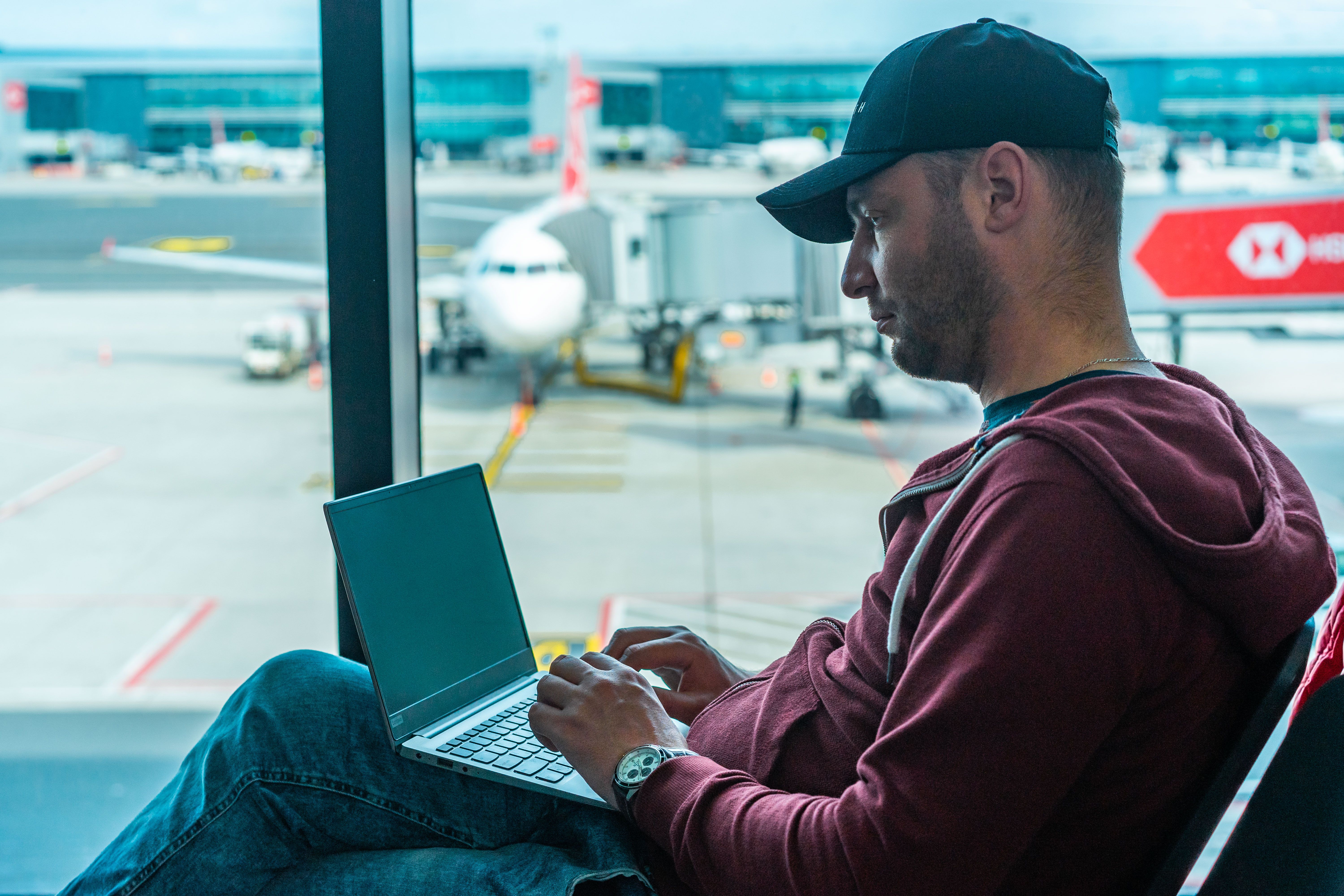
Why Brokers Flag Logins From Unfamiliar Countries
Brokerage platforms flag logins from unfamiliar countries because fraud detection systems weight geography heavily. A login from a new IP address, especially one outside the account holder’s usual range, triggers risk scoring that can pause access, request re-verification, or in some cases freeze the session outright. For most retail investors this shows up as an inconvenience. For someone actively managing positions during a trip, a few hours of lockout during a volatile session is not a minor issue.
The Compliance Logic Behind the Lockout
The regulatory logic behind this isn’t arbitrary. Broker-dealers operate under anti-fraud and know-your-customer obligations that require them to monitor account access patterns. A login from Southeast Asia on an account that has never left North America reads, statistically, like a compromised credential rather than a vacationing client. FINRA has documented a rise in customer account takeovers in recent years, and brokerages have tightened their geographic risk models in response. The security is working as intended. It’s just not built around the reality of a client who trades from three time zones in one week.
Some platforms go further and apply outright geo-restrictions rather than flags. Certain market data feeds, options trading tiers, or margin features are licensed on a jurisdictional basis, and accessing them from an unlisted country can suspend specific account functions rather than just trigger a warning. This is more common with data-heavy platforms and less common with plain buy-and-hold brokerages, which is worth knowing before assuming the worst.
Keeping Your Login Pattern Consistent While You Travel
None of this means investors are stuck choosing between travel and their portfolio. Rerouting a connection through a server located in a recognized jurisdiction, typically the country of residence, keeps the login pattern consistent with what the brokerage already expects. Server count and price are what most comparisons obsess over, but neither matters if the connection drops the moment a hotel router hands you off to a different access point mid-session. Gizmodo’s own travel picks actually test for that instead of just listing specs, which is the detail worth checking before you trust a connection to hold long enough to confirm a trade. The point isn’t to disguise where the login is coming from. It’s to make the connection legible to a system that’s already primed to distrust anything unfamiliar.
The Network Risk Has Nothing to Do With Geography
There’s a second, separate problem that has nothing to do with geography: the network itself. Public hotspots in airports, hotels, and restaurants routinely run with reduced security settings, which makes it easier for traffic to be intercepted. That has nothing to do with where the airport is located. A login attempt on unsecured hotel Wi-Fi carries the same interception risk in Denver as it does in Dubai.
Combining an unfamiliar country with an unsecured network is the specific combination that produces both a fraud flag and a genuine security exposure at the same time. That’s the scenario worth preparing for before a trip, not during one.
Why Two-Factor Authentication Isn’t the Full Answer
Two-factor authentication helps, but it isn’t the complete answer some investors assume it to be. MFA protects against a stolen password. It does nothing about a session that gets intercepted after the code has already been entered, and it does nothing to stop a brokerage’s risk engine from flagging the login in the first place. Treating 2FA as a full security layer while trading from unfamiliar networks abroad is a common and avoidable mistake.
For Frequent Travelers, Ask the Broker Directly
Frequency matters too. An investor who travels once a year for two weeks faces a different calculation than one who works remotely and crosses borders monthly. For the latter, some brokerages allow clients to pre-register travel dates or expected countries, reducing the odds of a hard lockout. Not every firm offers this, and the ones that do rarely advertise it. It’s worth a call to the brokerage directly rather than assuming the feature doesn’t exist.
Secure the Network Before You Open the App
What tends to get missed in most generic travel-safety advice aimed at investors is the order of operations. Securing the network matters before securing the login, not after. A trader who sets up a stable, recognized connection before logging in avoids triggering the fraud flag in the first place, rather than dealing with a lockout and re-verification process mid-session, sometimes during a window where a position needs attention.
The habit of checking connection stability before opening a trading app, not after getting an error message, is the difference between a five-minute delay and losing access during a moving market.
None of this requires exotic setup. It requires treating account access the same way a firm’s own compliance systems already do: as something tied to a specific, recognizable pattern that either holds together or gets flagged.


Comments
Log in or sign up to join the conversation.