

Cash distribution has always been a huge cost for financial institutions, and with virtual payments increasing among consumers, this problem is only getting more complicated. Businesses with both physical and digital touchpoints must make receiving cash as efficient and accessible for customers as possible.
Cost reduction for both physical and digital distribution can be achieved with cash optimization through third parties. Still, it's also important to focus on consumer engagement and making sure customers feel like their ATM's are trustworthy.
To consider how best to engage customers while maintaining efficient costs and accessibility, we must look at the two main channels of distribution: physical and digital. Here, we'll tell you how retail banks and other financial institutions can change their cash distribution strategies to get the most out of their ATMs through both digital optimization and physical ATMs.
Physical Distribution
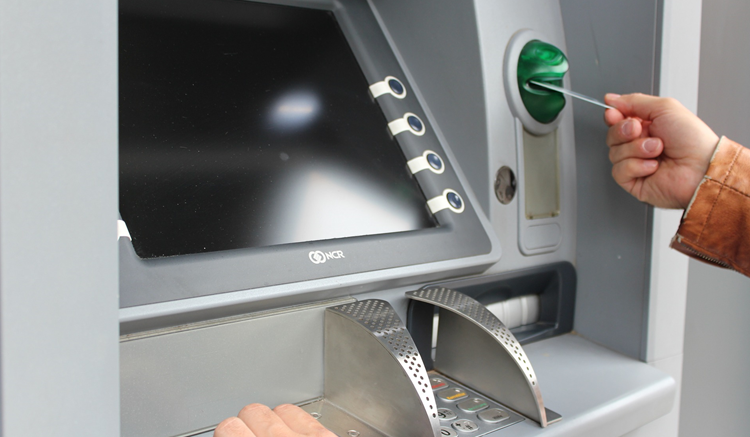
Despite the rise of digital banking and fewer people using ATMs, consumers are still expressing a need for in-person physical banking through branches and ATMs. Whether it's due to mistrust of technology or the opportunity to get in-person financial advice from an expert, there is certainly a demographic of consumers that prefers in-person banking to digital banking.
According to https://perativ.com, financial institutions should focus on improving the quality of their ATMs with machines that are updated, rather than relying on equipment that's been in-house for decades. You might need to work with a third-party supplier to improve the quality of your ATMs and payment processing methods.
However, it is also worth noting that the number of consumers relying on branch banking is dwindling, with nearly a quarterof customers being less likely to use their branch. As a result, many branches are forced to shut down, putting physical banks in direct competition with their digital-only competitors. Because of this, a bank's digital offerings for cash distribution must be accessible to consumers.
Digital Distribution
Digital cash distribution seems like the perfect alternative to physical payments, as capital costs are lower, and the digital experience is convenient for many customers. You can lower costs using SaaS platforms to eliminate data lags and maximize cash distribution points online and between ATMs.
Despite the fact digital banking is becoming embraced by millions of people, physical cash from ATMs is still high demand. Even tech-minded millennials tend towards cash payments used for small transactions and purchases with cash-only businesses. Some customers love the convenience of a nearby ATM without having to use their phones. For this reason, it's important to strike a balance between physical and digital distribution points.
A Hybrid Approach
You might be tempted to close physical branches in favor of virtual distribution. Or, if you think digital technology is too complicated, you might never join the trend of digitalized payment processing and hold onto your outdated ATM units forever. However, we recommend a hybrid of both digital and physical solutions to serve your financial institution best.
A “branch-lite” approach to physical cash distribution is possible, with limited branches open and 3rd party ATM networks providing a touchpoint for customers.
In Conclusion
Payment processing within the last decade has thrown financial institutions and other businesses for a loop. Digital cash distribution is in the limelight, and this has forced retail banks and other financial institutions to transform how they manage their physical and digital presence cost-effectively.
Using trusted third party networks to optimize cash distribution in an affordable and accessible way will increase your institution's efficiency. However, keeping a limited physical presence through key branches and ATMs ensures consumer engagement doesn't fall.

Comments
Log in or sign up to join the conversation.