


Proposals to reform the German pension system are clearly a good step in the right direction. It's now up to the government to show its own reform elan and implement the plans as quickly as possible.
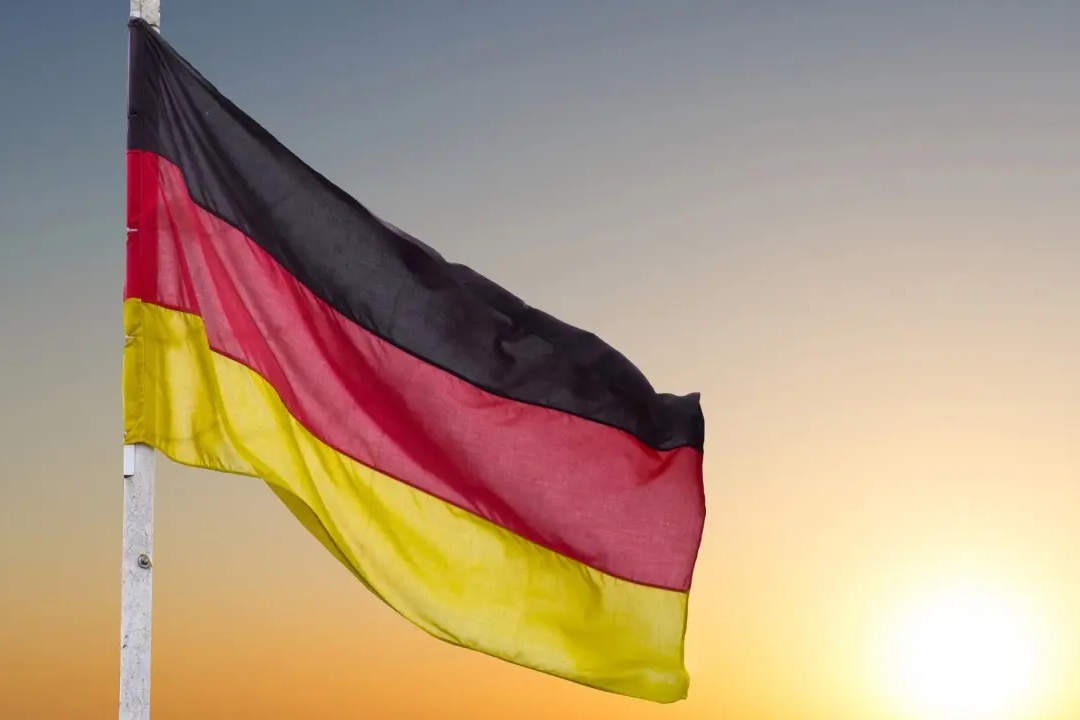
Germany can still win its opening World Cup matches and, it seems, still deliver reform. That's the main takeaway from the weekend. For the first time since 2006, the national team started the tournament with two wins, keeping faint hopes of a title and a broader turnaround alive. Now, economic reforms may be following suit.
Officially, the so‑called pension commission, a 13‑member task force appointed by the governing coalition, will present its proposals on Tuesday. News reports on Saturday detailed 33 proposals to reform Germany’s pension system. The government now has to adopt and implement these proposals. Parliament will also have a say.
Earlier, some government members suggested that a full reform package, including healthcare and tax reforms, would be presented before the parliamentary summer break next Tuesday. We remain sceptical that the government can deliver such broad measures in that timeframe. The proposals unveiled so far risk being too little, and potentially too late. Still, there are clear signs that reform is gaining momentum.
Last year's reform was a patch, not a fix
To understand the scale of today’s pension‑reform push, you have to rewind to December – when the governing coalition nearly came apart over what some members saw as the first, tentative push for change. Others saw it as little more than a costly extension of the status quo. Ultimately, the government agreed to keep the statutory pension level locked at 48% of average wages through 2031, rather than allowing it to drift down toward 45% under the previous formula. This means workers who contributed to the statutory system for 45 years and retire by 2031 will receive 48% of the average German wage as a state pension. Without this decision, the level could have fallen to 44.9% by 2040.
That guarantee, however, does not come for free. Nothing involving 21 million pensioners and a shrinking workforce ever does. The contribution rate is set to rise from 18.6% to 18.8% from 2027. The package also introduced a few quieter measures on 1 January: an expanded "mother's pension" crediting childcare years more generously; a relaxation of the rules preventing pensioners from returning to their old employer; and the so-called Aktivrente, a tax break for people who work past the statutory retirement age of 67. Last year’s reform amounted to little more than a pretence that the status quo could be extended forever.
Why a fix is needed
Meanwhile, pressure on the pension system continues to build like an avalanche. Germany's old-age dependency ratio – people 65 and over relative to the working-age population – is set to rise from 34% in 2024 to 51% by 2050. Put differently, in 1992, there were 2.7 working-age people funding the pension of one retiree. In 2022, that fell to 2.0. By 2030, it will be just 1.5. That's not a gentle slope. It's a step change, arriving now because the baby boomers are retiring en masse this decade. The Federal Statistical Office's own December 2025 projections put a fine point on it: one in four Germans will be 67 or older by 2035, up from one in five in 2024. And the number of people of pensionable age will keep climbing every year through 2038, adding 3.8 to 4.5 million to the system.
Without any changes, the pressure on public finances will become almost unbearable. As a young civil servant, I helped to put the sustainability of public finances in ageing societies on the agenda of European Council meetings. This was some 25 years ago. What sounded like fiction to some back then has become a hard reality. Already, the German government is spending more than two-thirds of its annual budget on health care and the pension system. Last year’s decision was a patch. The system is in urgent need of a fix.
The proposals
This is why the government set up an independent task force with a mandate to analyse the system from the ground up. It will deliver recommendations covering not just the statutory pillar but also occupational and private pensions. As mentioned, the commission put forward 33 recommendations, supported by a broad, though not unanimous, consensus.
The headline change: the retirement age will be linked to life expectancy from 2032 onwards. The idea is a "two-to-one" rule, meaning that for every additional year of life expectancy, people work eight months longer and draw a pension for four more months. Run that through current demographic projections, and it results in a retirement age of 67.5 by 2041 and 68 by 2051. It means roughly half a year added per decade. It will be reviewed periodically rather than locked in.
Early retirement without deductions after 45 years of contributions would be abolished under the proposal. That benefit has been politically untouchable for the SPD in the past. It remains to be seen how this proposal will be received by the broader SPD, beyond the government members.
These initial proposals are clearly aimed at extending the working life, while other measures seek to broaden the contributor base. Members of parliament and freelancers would be integrated into the statutory state pension system. The commission didn’t (dare to) tackle the question of how to deal with civil servants, beyond suggesting a reduction in their numbers. It also proposes limiting the so-called €600 jobs – currently exempt from social contributions – to students. These are important sources of employment in the retail sector. To be clear, these jobs won’t disappear overnight, but they will become more expensive for employers.
One genuinely new idea is a mandatory, funded capital pillar explicitly modelled on Sweden's premium pension. A slice of contributions, phased in from 0.5% of gross wages to 2% and split evenly between employer and employee, would be invested in capital markets through a state-run fund and paid out individually. The aim is to use market returns to modestly raise the pension level above where the current pay-as-you-go formula alone would take it.
It's a first fix, but regaining competitiveness needs more
All in all, the reform proposals include important elements. Case in point: linking the retirement age to life expectancy and establishing a new market-based pillar, even if the commission could’ve been bolder and more ambitious. The positive take is that the reform train is picking up speed. Still, this is no high‑speed train, but rather a fragile old model.
Amid all the enthusiasm, let's not forget that these changes are a bare necessity to contain pressure on public finances. They will not, by themselves, make the German economy more competitive. For that, the government will have to do more.
To return to the World Cup analogy: winning two matches and reaching the next round should be the bare minimum for Germany’s national team. Bringing trophies home will require more than that.
Comments
Log in or sign up to join the conversation.