

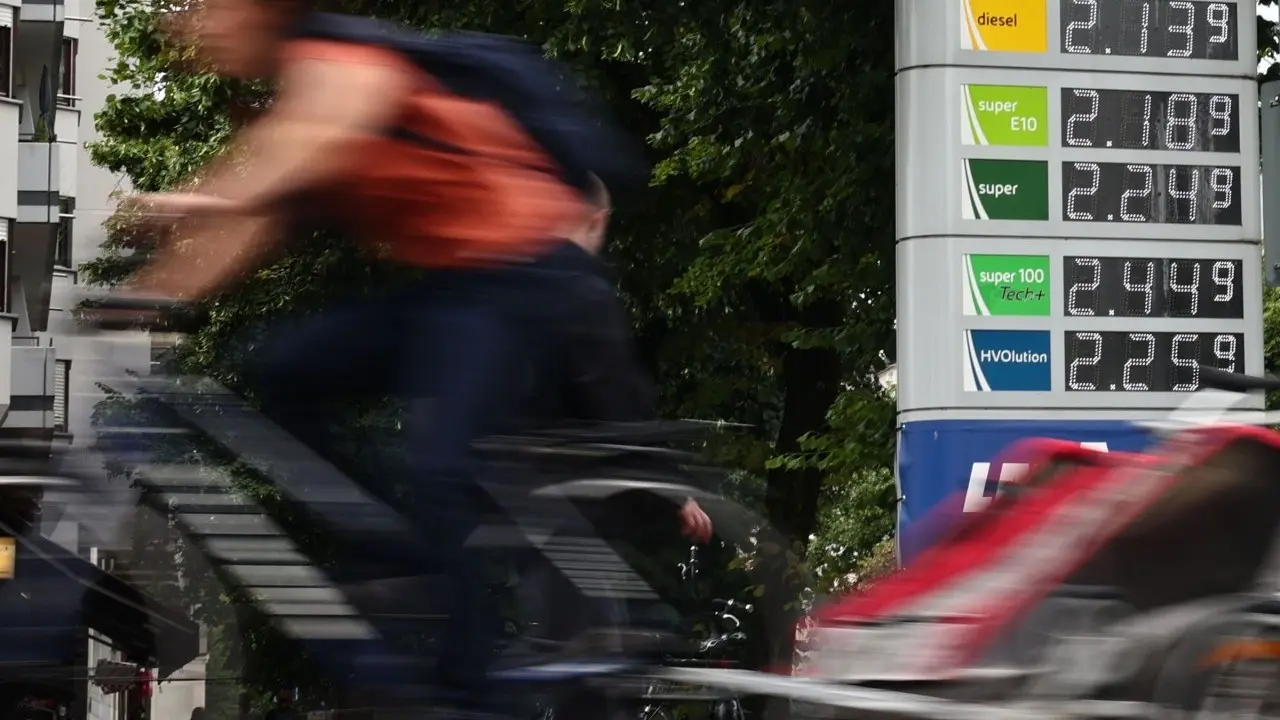
The end of the government's fuel tax rebate pushed German headline inflation higher in July. The first tentative signs of knock-on effects will add pressure on the ECB to hike in September
Germany's real inflation has finally stood up. The just-released first estimate of July headline inflation shows the full impact of higher energy prices, as July was the first month without the government’s tax rebate on fuel.
German headline inflation increased to 2.8% year-on-year in July, from 2.3% YoY in June. The European inflation measure, more relevant to the European Central Bank, also came in at 2.8% YoY, from 2.4% YoY in June.
First tentative signs of knock-on effects
Looking at the available components, we are seeing the first tentative signs of knock-on or indirect effects of higher energy prices on the rest of the economy. Regarding year-on-year inflation, it was mainly energy but also goods, transportation and healthcare price inflation that accelerated in July. On a more positive note, prices for clothing and shoes actually dropped in July compared with June. Maybe some retailers started to sell off their World Cup merchandise after the disappointing performance of the German national team.
Despite these tentative signs of knock-on effects, the current inflation picture remains structurally different from the inflation wave in 2022. In June, around half of the main inflation components were growing at less than 2%, while just over a third recorded inflation above 3%. By contrast, in 2022, more than two-thirds of components were rising by more than 3%, with only around 20% of all components having an inflation rate of less than 2%.
Inflation to increase further, pushing the ECB towards a September hike
Looking ahead, the path of headline inflation will be highly affected by the war in the Middle East and oil prices. The recent swings in oil prices have been another reminder that it’s almost impossible to come up with oil price assumptions for any inflation forecast that lasts for more than a few days. In any case, we still expect some knock-on effects from higher energy prices on transportation costs, food prices and other industrial products over the coming months.
On top of that, the current heatwave in Europe clearly bears an additional inflationary risk. Lower water levels in main waterways could bring new supply chain disruptions, and damaged crops could add to food price inflation. Consequently, headline inflation could still move above 3% over the next few months, before dropping below 2% again next summer.
To repeat: this is currently not a repetition of 2022. Consumers' financial ability and also willingness to pay higher prices is much lower than in 2022. As a result, companies will have a much harder time passing through higher costs to consumers than in 2022. In this regard, the latest European Commission sentiment indicators are remarkable, showing selling price expectations in industry almost back down to March levels and in services even down to the lowest level in more than a year.
All of this means that the current inflation wave in Germany and the rest of Europe still mainly qualifies as ‘transitory’ (hadn’t the ECB put this term on the list of forbidden words?) Together with today’s surprisingly strong eurozone growth data and improving sentiment indicators, the ECB will probably use increasing inflation data to justify a September rate hike. Not that we think a rate hike would be needed, but the ECB’s strong willingness and determination to nip inflation in the bud has made a September hike almost a done deal.
Comments
Log in or sign up to join the conversation.