


Currently, financial markets are burning hot. Money comes and goes, and it seems like more and more people are amassing wealth at previously unseen rates. Bitcoin and the altcoin market are in the middle of an infamous once-every-four-years bull cycle. The stock market defied the odds during a year of profoundly handicapped economic activity, coming out with record highs. Plus, house prices are booming across the Western world, propped up by hungry first-time home buyers.
The housing market has long been a place favored by investors looking to put their money to work. If profiting off of the housing market is something you’re interested in, there are usually two ways to do this:
- Flip (sell quickly for a profit)
- Hold and sell later
In this article, we have a look at both methods, and try to analyze which is more profitable, and which might best suit your needs.
Flipping houses
Flipping houses is the fastest way to make a quick profit. It is most commonly characterized in two ways:
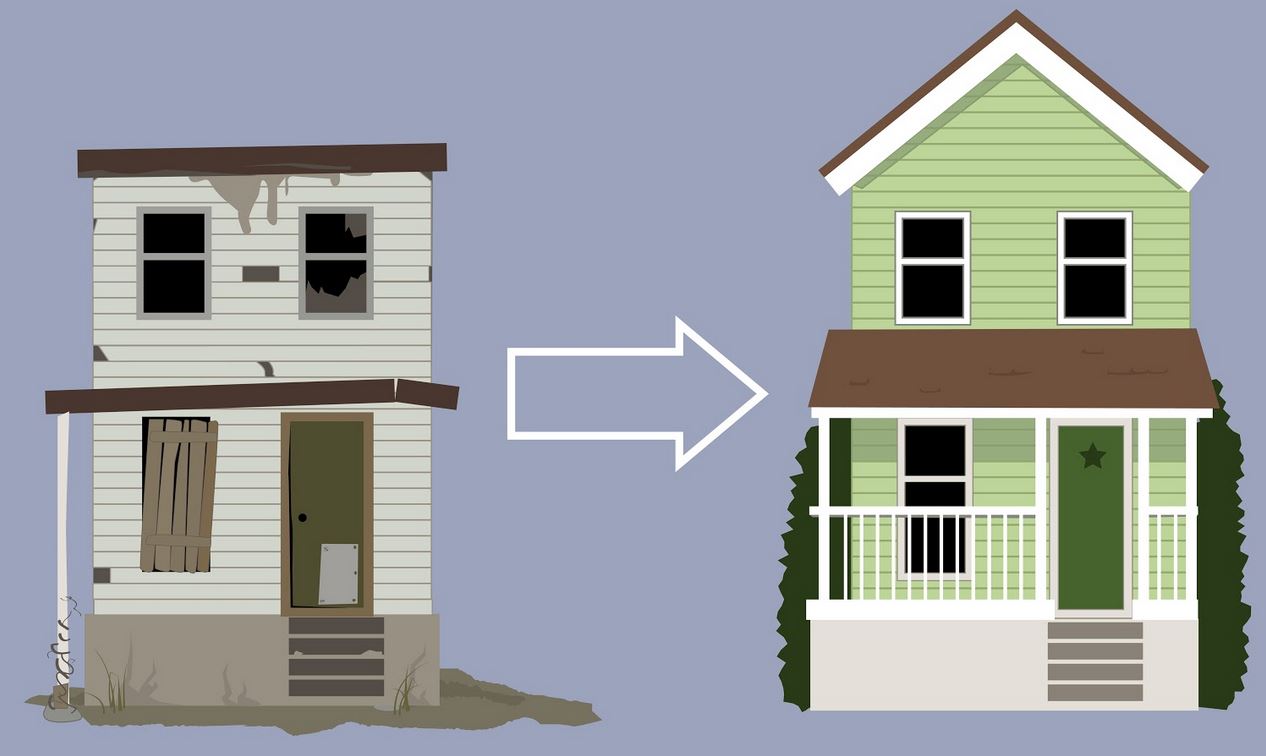
- Buying dilapidated property, doing repairs and necessary renovations, then selling for a profit.
- Buying a property in a rapidly growing property market and selling it quickly to another buyer for a profit. (1)
If you’re aiming for the former category, then it’s possible to make this your full-time job. There are different ways you can finance a house flip beyond a standard mortgage such as home equity credit or hard money loans.
It can be a lot of work flipping homes, and those who do it invariably come across unforeseen problems along the way. Some of those problems include:
- Lack of finances: The cost is so much more than simply the deposit and monthly repayments. New kitchens, bathrooms, real estate taxes, etc.—it can all cost tens of thousands of dollars. New comers may get stung without doing proper research beforehand.
- Time constraints: Building projects are notorious for running over time. Make sure you allocate sufficient time for yours.
- Inadequate skills: Renovating a property takes professional skills, from plumbers, carpenters, excavators, and more. Without the right help, you may be shooting yourself in the foot by taking it on yourself.
- Lack of patience: Knowledge of the market is vital. Research the market and know when to buy rather than self-sabotaging and buying in a state of excitement.
Flipping houses is best for those with both a background in the building industry and financial knowledge who can identify a bubble when they see one. Flipping gained popularity in 2020, and gains can be worth hundreds of thousands of dollars, though due diligence and care should be taken. (2) (3)
Hold and sell later
Buying and holding is a more drawn-out process than flipping, but there is some overlap. If holding the home, the intention is to exploit the continually increasing inflation rates and sell later for more (similar to flipping). Although, there would be a much longer interim period between the initial purchase and sale, adding up to years or even decades.
Over the course of this time, it’s expected that the owner would rent the property out. This gives them a passive income, or is used to pay the mortgage, thereby increasing the profits once it’s sold again.
Holding to sell later might sound like easy income, but there are plenty of additional factors to consider that can sour the deal. These include:
- Costs of a vacant property: If tenants move out, the rental income stops, but your mortgage repayments do not. Excessive periods of vacancy can spell financial disaster, so it’s imperative that you budget for one to three months mortgage repayments in the event of an emergency.
- Property management: It is unlikely that you will have the time, resources, or even expertise to manage the property yourself. Hence, you will need a property manager to look after it for you. Inexperienced property owners often find the stress of sourcing quality tenants to be overbearing.
- Maintenance costs: The joy of renting is that maintenance costs are not yours to bear. The pain of owning a rental property is that maintenance costs are yours to bear. These can add up quickly, especially for things like structural or water damage.
The verdict
Both methods have their advantages, and either way, playing the property market can lead to lucrative outcomes. As 2020 saw the median home price in the U.S. rise by 14%, there is great merit to a thesis that advocates high returns for short-term property flipping. Then again, owning a rental property can be a safer and less-sporadic way to make ongoing income.
In response to the question of “which is better?” the answer is an ambiguous, “it depends on your circumstances.”
If you are fit and able-bodied, have experience and networks within building and construction, and at least a small bit of financial knowledge, then flipping may be right for you. The benefit here is that you can possibly make large sums of money relatively fast.
Whereas, if you have a family, are time-poor, or are someone who perhaps lacks urgency, then buying and holding is probably best for you. This, more prolonged, method will provide you with financial security, and hopefully a large burst of income once you eventually do decide to sell.
References
- “Flipping hell! New Zealand property frenzy as two houses sold five times in four days”, Source: https://www.theguardian.com/world/2017/jan/18/flipping-hell-new-zealand-property-frenzy-as-two-houses-sold-five-times-in-four-days
- “Home 'flipping' in the UK reaches 12-year high, despite Covid crisis”, Source: https://www.theguardian.com/business/2020/nov/23/home-flipping-in-the-uk-reaches-12-year-high-despite-covid-crisis
- “Can You Make $1 Million A Year Flipping Houses?”, Source: https://www.forbes.com/sites/forbesrealestatecouncil/2019/08/20/can-you-make-1-million-a-year-flipping-houses/?sh=7b79dca64719



Comments
Log in or sign up to join the conversation.