

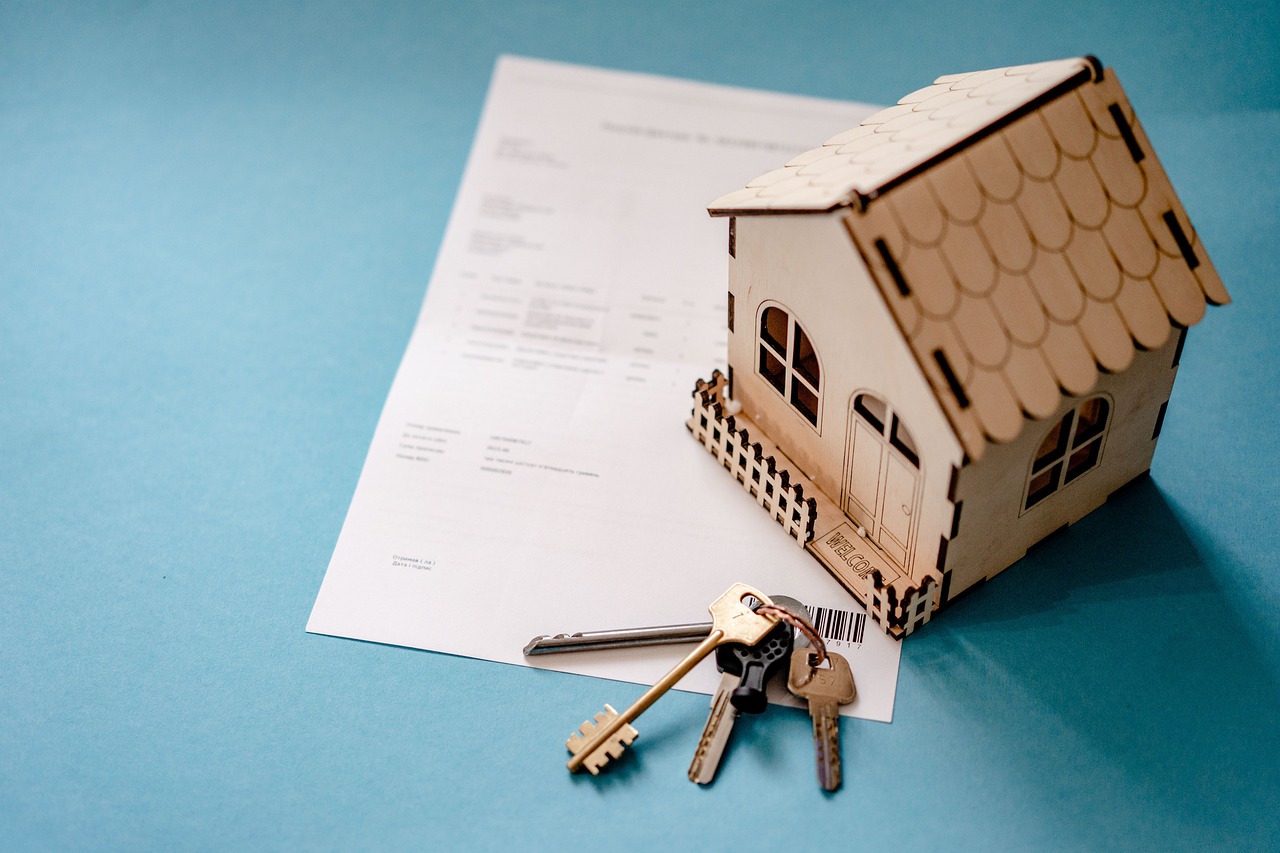
Image by OleksandrPidvalnyi on Pixabay
The journey to homeownership in the United States is a significant financial decision. A pivotal decision prospective homeowners frequently find challenging is selecting between a fixed-rate and a variable-rate home loan.
According to a report by Investopedia, most home buyers prefer fixed-rate home loans because of the guarantee that comes with them. This overwhelming preference raises the question: is a fixed-rate home loan always the better choice?
Read on and discover the intricacies of both loan types, providing you with the necessary knowledge to handpick the option that aligns best with your financial situation. Carefully evaluating both options will empower you to make an informed decision, bringing you closer to your dream home.
What are home loans?
Home loans, also known as mortgages, are large sums of money borrowed from a financial institution to purchase a house. These loans give individuals who might not have the total amount needed upfront the ability to become homeowners.
The borrowed money is then paid back throughout 15 to 30 years. The repayment schedule includes the principal amount and the interest accrued, agreed upon at the time of borrowing. The house is collateral for the loan, implying that the lender can repossess it if repayments are not made on time.
Understanding Fixed Home Loans
Fixed-rate home loans have interest rates that remain unchanged throughout the loan tenure. This offers certainty, as monthly repayments stay constant. The benefits are apparent during periods of rising interest rates. However, if rates fall, you won't see any savings.
Advantages of fixed home loans
Here are some of the advantages of fixed home loans:
- Fixed-rate home loans provide predictability, allowing you to easily budget your finances due to unchanged monthly repayments.
- They offer protection against possible interest rate hikes, ensuring your payments remain unaffected.
- Refinancing is always an option with a fixed-rate loan if interest rates significantly drop.
Disadvantages of fixed home loans
Here are some of the disadvantages of fixed home loans:
- Fixed-rate home loans typically start with higher interest rates than variable-rate loans, meaning you could pay more from the outset.
- Early loan repayment might attract penalties, limiting your flexibility to pay off your debt ahead of schedule.
- The certainty of a fixed home loan can come at the cost of flexibility, as lenders may not easily accommodate changes to your financial situation.
Ideal scenarios for opting for this type of loan
Here are some ideal scenarios for opting for this type of loan:
- Stable Income Scenario
- High-Interest Environment
- Long-Term Planning
Understanding Variable Home Loans
Variable-rate home loans feature interest rates that fluctuate over time. These rates are tied to a benchmark index rate set by market conditions. When the index rate changes, so does your interest rate. This can mean lower initial payments. However, it also introduces uncertainty as rates can increase.
Advantages of variable home loans
Here are some of the advantages of variable home loans:
- Variable-rate home loans often start with lower interest rates than fixed-rate loans, enabling borrowers to potentially save money initially.
- They offer flexibility, as borrowers can make additional payments without incurring penalties, effectively reducing the loan's principal quicker and saving on interest.
- If favorable market conditions and interest rates decrease, borrowers' monthly repayments will drop accordingly, leading to potential savings.
Disadvantages of variable home loans
Here are some of the disadvantages of variable home loans:
- Variable-rate home loans can be unpredictable, introducing uncertainty into your budgeting due to fluctuating monthly repayments.
- They expose you to the risk of interest rate increases, which can significantly hike your monthly repayments and the overall cost of the loan over time.
- With a variable-rate loan, decreasing market rates does not guarantee you will save money, as lenders may not pass on the full cut to borrowers.
Ideal scenarios for opting for variable home loans
Here are some ideal scenarios for opting for this type of loan:
- Decreasing Interest Environment
- Flexible Payment Capacity
- Short-Term Borrowing
Making the Right Decision and Paving Your Path to Homeownership
Choosing the right home loan is a significant step towards homeownership. It should be an informed decision based on your financial standing, risk appetite, and future projections.
For stability and predictability, fixed-rate home loans are a solid choice. However, consider variable-rate loans if you are open to some risk for potential savings. Choosing between fixed and variable home loans can differ among individuals. Understanding both options can aid you in making a sound decision, aligning your path towards secure and successful homeownership.
More By This Author:
Innovative Products And Engaging Campaigns Propel Yum China To Record Second Quarter Performance
Playtika Completes $600M Share Repurchase
Using SEC Form 13F to Track Warren Buffett’s Trades



Comments
Log in or sign up to join the conversation.